
Last updated November 18, 2026
 Hardwood
 Engineered hardwood
 Luxury vinyl plank
 Laminate
 Porcelain tile
 Carpet
 Shaw
 Mohawk
 COREtec
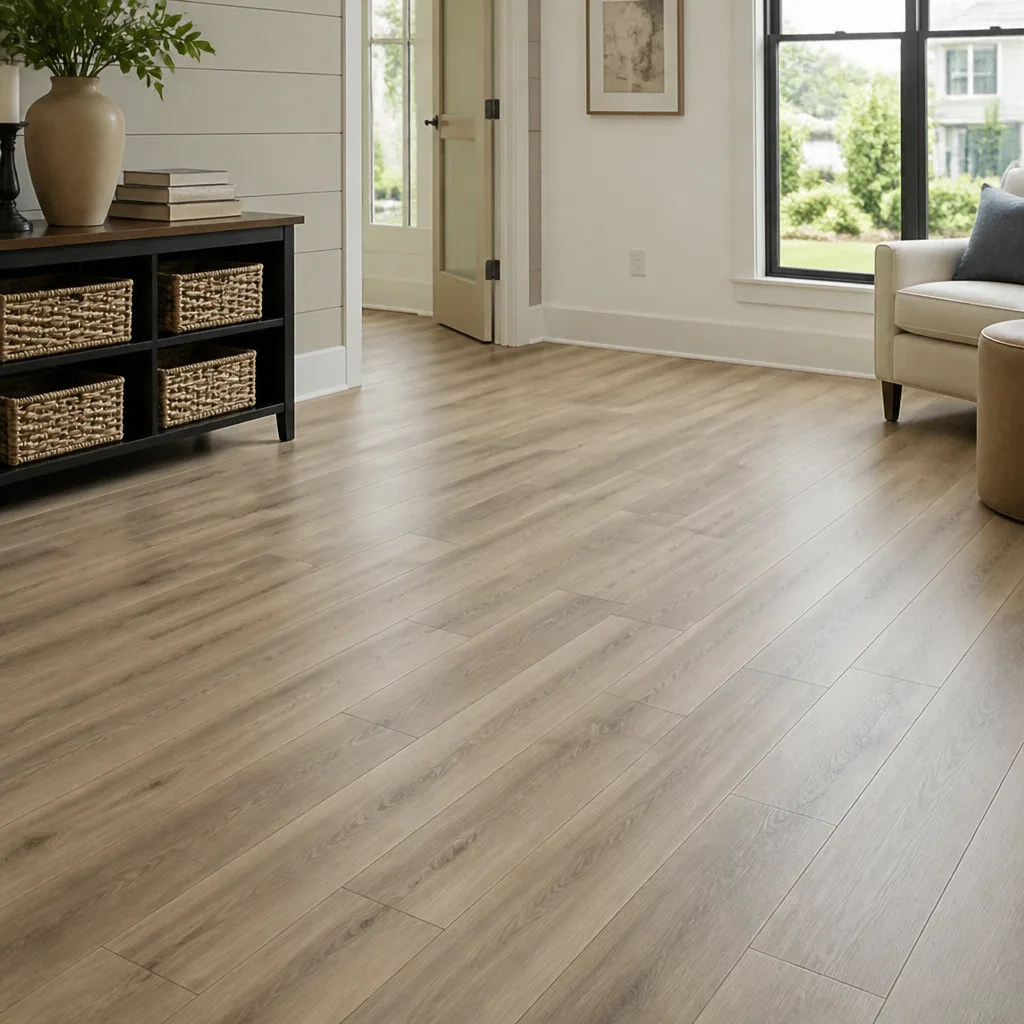 Pergo
Free in-home measure and written estimate: Shaw, Mohawk, COREtec and Pergo lines compared on your own rooms, with carpet, tile, vinyl plank, laminate and hardwood laid out side by side
Get your free estimateWhat Happens at a Free In-Home Flooring Estimate in North Las Vegas
Most homeowners treat the in-home estimate as a measurement appointment: someone walks through, writes down square footage, and leaves a number. That’s the version that leaves people frustrated weeks later. A proper estimate is a diagnostic visit, and it’s where subfloor conditions, how light hits a room at different times of day, how many feet actually cross the kitchen every morning, and how the floor will transition from hallway to bedroom all get weighed against the product you’re considering. The quote you get from a real visit and the quote you get from a phone call aren’t the same document. This guide walks you through what a good estimate looks like in North Las Vegas, what to have ready before the estimator arrives, and how to compare two quotes fairly.
Quick Answer
A free in-home flooring estimate in North Las Vegas is a scheduled visit where an estimator measures every room, inspects the subfloor, checks for moisture signs, notes thresholds and transitions, and asks about how you use each space. You leave with a written, itemized price and a recommended product category, not a promise of a start date. The visit usually takes 45 minutes to an hour and a half depending on how many rooms you’re covering.
Styles & brands we work with
- Hardwood
- Engineered hardwood
- Luxury vinyl plank
- Laminate
- Porcelain tile
- Carpet
- Shaw
- Mohawk
- COREtec
- Pergo
Table of Contents
- What the Estimator Is Actually Assessing
- What to Have Ready Before the Estimator Arrives
- Why Square Footage Alone Doesn’t Set the Price
- How to Compare Two Quotes Line by Line
- What the Visit Reveals About How a Company Operates
- Carpet, Tile, and Hardwood: What Changes at the Estimate
- What Happens After the Estimate
- North Las Vegas Conditions That Shape Your Floor Choice
What the Estimator Is Actually Assessing
Square footage is the easy part. A tape measure and a laser will get you there. The reason a thorough estimator spends real time in each room is that the number of square feet doesn’t tell you what the install will actually involve. Here’s what a competent visit covers.
Subfloor material and condition. In most North Las Vegas homes the subfloor is either plywood, oriented strand board, or a concrete slab. Each one changes how the new floor gets attached and what preparation the job needs. A slab may need patching where it’s cracked or uneven. A wood subfloor may show bounce or soft spots that have to be addressed before anything goes down on top.
Existing floor removal. Are we going over the old floor or pulling it up? Carpet comes out fairly quickly. Tile almost never goes back over itself without a height problem at every doorway. Knowing what’s underneath and how it’s fastened shapes both the scope and the schedule.
Threshold transitions. Every doorway between two floor types needs a transition strip, and the height difference between the two surfaces determines which kind. A room-by-room walk catches these before they show up as a surprise line on the bill.
Moisture indicators. A slab in a desert climate can still hold moisture under a floor. The estimator looks for staining, efflorescence, and other signs, and asks how you’ve noticed the room behaving during the wetter months. If there’s any question, the answer gets built into the recommendation for the floor itself and how it’s installed.
Room-to-room flow. This is the part most people underestimate. A single continuous floor across a hallway and two bedrooms has to work visually and physically across every transition. Different rooms get different traffic, different light, and sometimes a different product.
- Subfloor material (wood or slab) and its flatness
- Whether existing flooring gets removed or covered
- Every doorway and the transition it needs
- Signs of moisture or past water trouble
- Layout: where the room opens, closes, and meets other rooms
- Furniture and appliance moves that affect access
What to Have Ready Before the Estimator Arrives
The best estimates happen when the homeowner has answers ready, because the estimator’s questions will be specific. Have these figured out before the visit.
Who uses the room and how often. A living room shared by a family with two dogs needs a different recommendation than a formal living room that mostly holds furniture. This one answer shapes more product decisions than any catalog does.
What the room is going to be used for in the next few years. If you’re anticipating a home office, a playroom conversion, or a rental, say so. The recommendation changes.
Light and heat. North Las Vegas gets intense sun, and a room with an unshaded west-facing window will sit hotter than one facing the other direction. Certain floor types handle heat and UV differently, and this conversation belongs in the estimate, not after the install.
Color and finish preferences, at least roughly. Lighter floors that hide dust vs. darker floors that show every footprint, warm tones vs. cool tones. You don’t need a decision yet. You do need enough of a preference to narrow the field.
Budget range, stated plainly. Saying a dollar range out loud saves everyone time. It also tells the estimator which product tiers to bring forward first, rather than casting a wide net.
Existing floor plans or photos if available. A quick phone photo of the room goes a long way toward estimating before the visit, and it helps you remember details if the estimator has questions after the walk-through.
When you schedule through flooring North Las Vegas, the person on the phone will give you a list of questions to think through before the appointment. That prep work is one of the reasons estimates come back accurate.
Why Square Footage Alone Doesn’t Set the Price
Two jobs with the same square footage can come in at very different prices. The material and labor are only part of it. What sets the price is everything a square-foot count misses: how much prep the subfloor needs, how many room transitions there are, whether the old floor comes out, and what category the new floor falls into.
Here is a typical range for each category we work in. These are estimates, and the written quote you get at the visit is the number that counts.
- Carpet installation: typically priced per square foot on a range that depends on the carpet, the pad, and how many rooms are included.
- Tile flooring installation: typically priced higher than carpet or luxury vinyl per square foot, reflecting the labor, the setting materials, and the layout work required.
- Hardwood refinishing: priced per square foot of floor being refinished, and depends on the condition of the existing wood and how many coats the job needs.
Notice what’s missing from that list? The price for subfloor repair if it’s needed, or the price for pulling out the old tile. Those show up at the estimate, because they can’t be quoted accurately from a phone call. A quote that doesn’t mention them isn’t being thorough.
In our experience, a homeowner looking at a quote and wondering why it’s higher than a friend’s quote for a similarly sized room usually finds the answer in exactly these lines: prep, transitions, and removal. The number per square foot matters, but the scope around it is what actually moves the final price.
How to Compare Two Quotes Line by Line
Comparing two quotes can be genuinely difficult because companies write scope in different ways. One company gives you a lump-sum item with a total. Another gives you a page of line items. The lump-sum number might be lower, or it might not include the same work. Here’s a framework for comparing them without getting lost.
- Line up the rooms side by side. Make sure both quotes cover the same rooms. If one lists a closet or hallway and the other doesn’t, that difference alone might explain a pricing gap.
- Find the removal line. Confirm that both quotes say clearly whether the old floor gets removed, and by whom. A quote that omits this is either covering it in the lump sum or missing it entirely, and you need to know which.
- Look at the subfloor prep line. Is there a line for patching, leveling, or repair if needed? If it’s not there, you risk a change order later.
- Compare transitions and trim. Thresholds, baseboards, quarter round, and toe kicks. Who is responsible for each?
- Compare the material line. Same brand and product, or just the same category? This matters. A quote for “luxury vinyl plank” isn’t comparable to a quote for a specific COREtec or Shaw product by name.
- Check the warranty language. Read what each company includes for its own workmanship. Do not assume a manufacturer’s warranty is the whole story. Ask how each company handles issues after the install.
- Confirm the schedule terms. When will the install date be set? What happens if the material is delayed?
The practical trick when comparing written quotes: ask each company to add a short scope summary at the bottom, written in plain sentences, describing exactly what will be done. That is usually enough to see the difference between a competitive bid and an incomplete one.
What the Visit Reveals About How a Company Operates
The in-home visit is a screening tool for the homeowner, not just for the company. How the estimator behaves tells you a lot about how the install will go.
“We’ll measure and send a quote.” This usually signals a sales operation that passes the job to a separate crew later. That doesn’t make the quote wrong, but you won’t meet the people doing the work, and questions after the quote have to go through someone else.
“Let’s talk through the whole project.” An estimator who sits down, walks each room, and explains what each recommendation handles differently is one who treats the estimate as part of the job. This is the version that produces a quote you can actually trust. It’s also the version where you get a straight answer if the recommendation turns out to be refinishing what you have rather than replacing it.
Watch for these signals during the visit:
- Does the estimator ask about traffic, pets, kids, sunlight, and how each room is used?
- Do they climb into the crawlspace or check the subfloor at an exposed edge, or just eyeball the room from the doorway?
- Do they name specific products and brands, or stay generic?
- Do they explain why one product suits your room better than another, or just show you the cheapest and the most expensive?
- Do they mention what could add cost later (subfloor repair, extra prep) rather than only quoting the best case?
- Does the final written quote match what was discussed during the visit?
Homeowners replacing a floor in North Las Vegas are spending real money, and the estimate visit is the one chance to see how a company thinks about your specific project before you commit. A company with nine brands on its roster, spanning carpet, tile, and wood, can afford to be honest about which one is right for you, because they aren’t stuck selling one option. When you’re ready to schedule a walk-through for carpet installation or any other category, the visit is where the real guidance starts.
Carpet, Tile, and Hardwood: What Changes at the Estimate
The estimate visit is similar across categories, but the specific questions and checks change with the surface. Here’s what a thorough estimator looks at for each.
Carpet
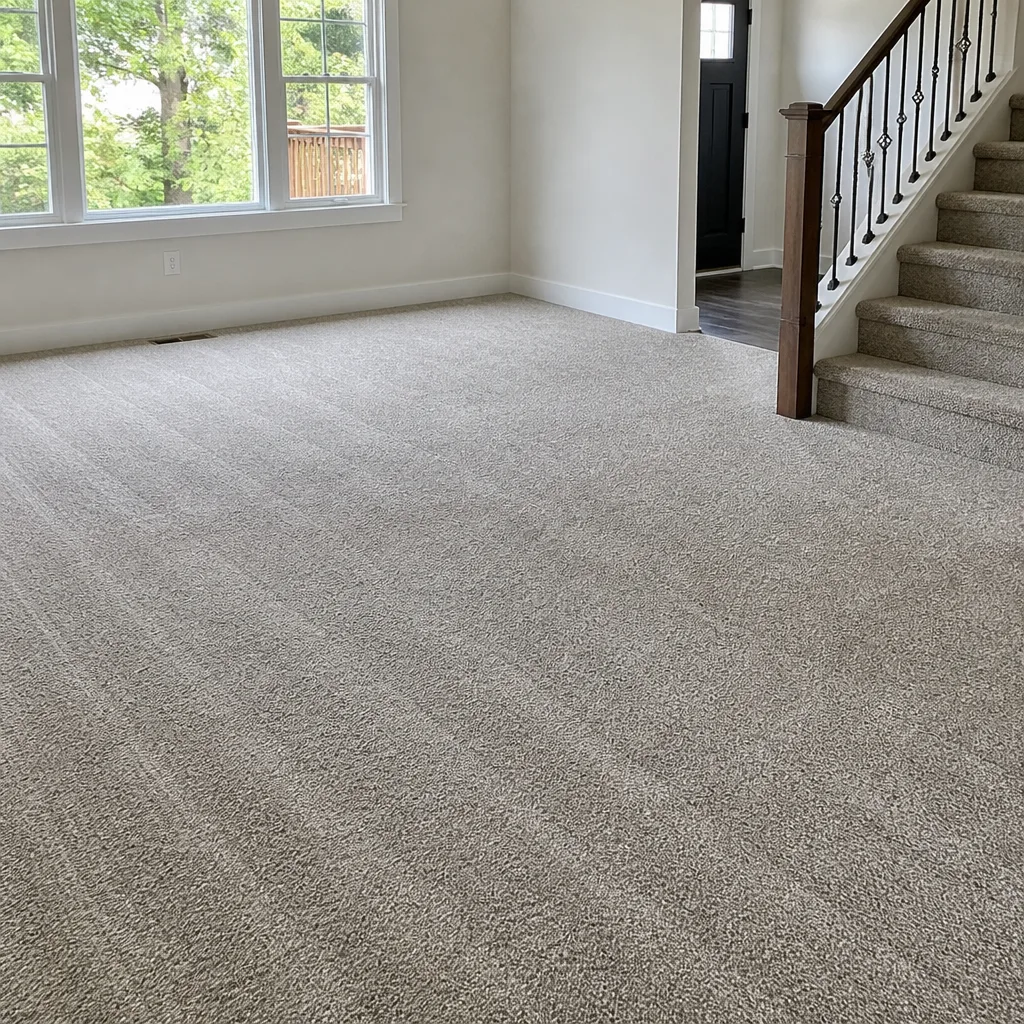
Carpet estimates focus on traffic, pets, and where the seams will land. Carpet comes in rolls of a fixed width, and the estimator is lining up seams to minimize them in visible areas. Bedrooms and hallways in North Las Vegas homes often have a straightforward layout, but a room with an odd shape or multiple doorways needs more thought. Expect questions about stain expectations, whether the carpet is going over concrete or wood, and pad selection.
Tile
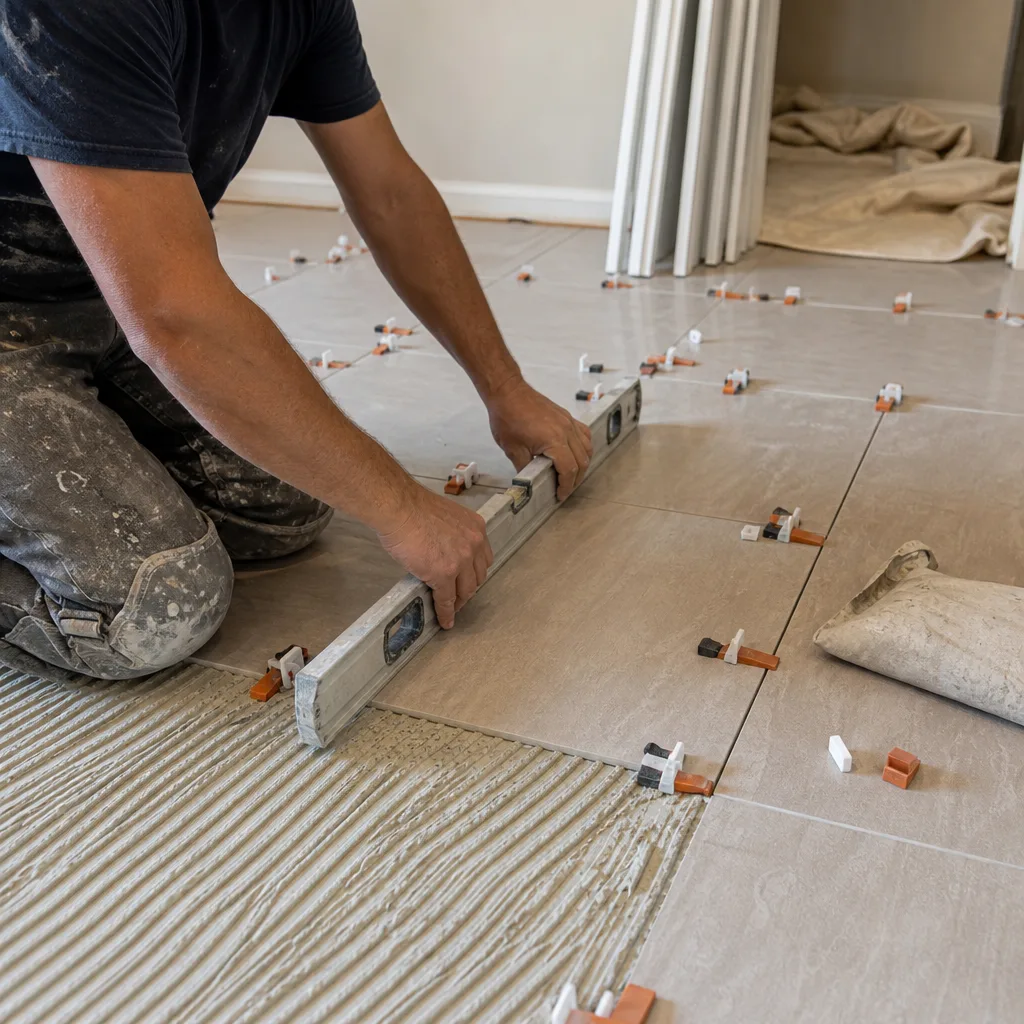
Tile estimates involve both measurement and layout planning. The estimator checks the existing subfloor for flatness and any movement, because tile needs a stable base. They’ll ask about the tile size you’re considering, since larger tile needs a flatter substrate and different setting methods. Grout line width and the pattern (straight-set, offset, herringbone) all change the material count and the labor time. Showers and wet areas are a separate conversation with their own waterproofing requirements, and those get their own scope.
Hardwood Refinishing
Refinishing is the estimate that most benefits from a knowledgeable eye. The estimator checks the wood species, the thickness of the wear layer (how much wood is left to sand), and the condition of the boards. Some floors have been sanded before; some haven’t. Some have cupping, gaps, or finish wear in traffic areas that a sand-and-refinish can address; others need replacement boards first. We can tell you at the visit whether refinishing is worth it or whether replacement is the smarter call. That honest answer comes from a company that also installs hardwood, so the recommendation isn’t tilted by what we’d rather sell.
If you’d like to talk through tile flooring installation or schedule a hardwood evaluation, the visit is where it all starts.
What Happens After the Estimate
The visit produces a written estimate. What happens next depends on the project, the material, and you.
- You review the written quote. Take the time to read it line by line. Ask questions if anything is unclear. A good company expects this and answers promptly.
- You make a product decision. Some homeowners decide within a day. Others take a week or more, especially when comparing products across brands. This is normal, and the quote shouldn’t pressure you to move faster than you’re ready to.
- Material ordering and lead times. Once you confirm the product, materials get ordered. Availability varies by product and brand. COREtec and Shaw lines usually have decent availability, but some specific SKUs (a particular color, size, or finish) can take longer than the standard lead time. The firm install date gets set after the material is confirmed, not before.
- Pre-install prep. Furniture moves, access points get confirmed, and the schedule gets locked in. If the subfloor needs repair or leveling, that gets scheduled as part of the install job, not a separate visit.
- Install day. The crew arrives, the old floor comes out if that was in the scope, and the install proceeds according to the written plan. The company should let you know what to expect for the day: where to park, how furniture is handled, and when you can walk on the new floor.
Realistic timelines: homeowners who know what they want generally go from estimate to install date within a few weeks, assuming the material is in stock. Custom orders can extend that. The written estimate sets the final price, and the schedule gets confirmed once materials are locked in.
North Las Vegas Conditions That Shape Your Floor Choice
Local conditions matter here more than in most places, and a good estimate factors them in. North Las Vegas runs hot and dry, and the sun is intense in a way that shows on floors. Rooms with west- or south-facing windows without shade take on real UV exposure over time, which is why an estimator asks about window coverings. Some materials handle that exposure better than others, and the recommendation should reflect the specific room, not a blanket answer.
Desert air also affects wood. Hardwood acclimates to the humidity level of the home it’s installed in, and that process takes time. Interior humidity swings between summer and winter affect how wood floors expand and contract. At the estimate, the estimator will talk about this and about what to expect after the install, because the home’s indoor environment shapes how the floor performs.
North Las Vegas homes range from older construction with concrete slabs to newer builds with wood subfloors, and each comes with its own preparation needs. In a slab home, moisture under the slab has to be considered for any flooring going down over it. In a wood-subfloor home, flatness and fastening matter more. Neighborhoods around Craig Ranch and Aliante see a mix of both, and an estimate in those areas will look at the same things: what’s under the floor, how it’s holding up, and what’s going to work on top of it.
None of this is guesswork when the estimator is in the room. That is what makes the visit to your North Las Vegas home valuable. It’s the difference between a quote that fits the room and one that fits only the square footage.
Common Mistakes to Avoid
- Treating the visit as a formality. Scheduling an in-home estimate and then waiting passively for the number skips the part where you actually get guidance. Bring the questions from this guide to the visit.
- Not mentioning pets or kids. If you have a dog, a cat, or young children, say so. It changes which carpet, tile, or wood is going to hold up, and it changes which one is worth the money.
- Choosing the cheapest quote without reading the scope. A quote that’s missing subfloor prep, removal, or transitions isn’t cheaper. It’s just incomplete. Compare scopes, not just totals.
- Assuming refinishing will work on any hardwood floor. It depends on the thickness of the wood and the condition of the boards. If the floor has been sanded down before, there may not be enough left. A good estimator checks this at the visit rather than promising it over the phone.
- Ignoring the subfloor until install day. If the subfloor needs repair or leveling, that gets discovered at the estimate or it gets discovered later, after the material is on-site. The second version costs more time and more money.
- Forgetting to ask about thresholds and trim. These are small line items but they can affect the height of every doorway. Aesthetics aside, they need to be in the scope from the start.
- Locking in the install date before material is confirmed. A confirmed install date should follow confirmed material, not precede it. Ask when the date will be set in writing.
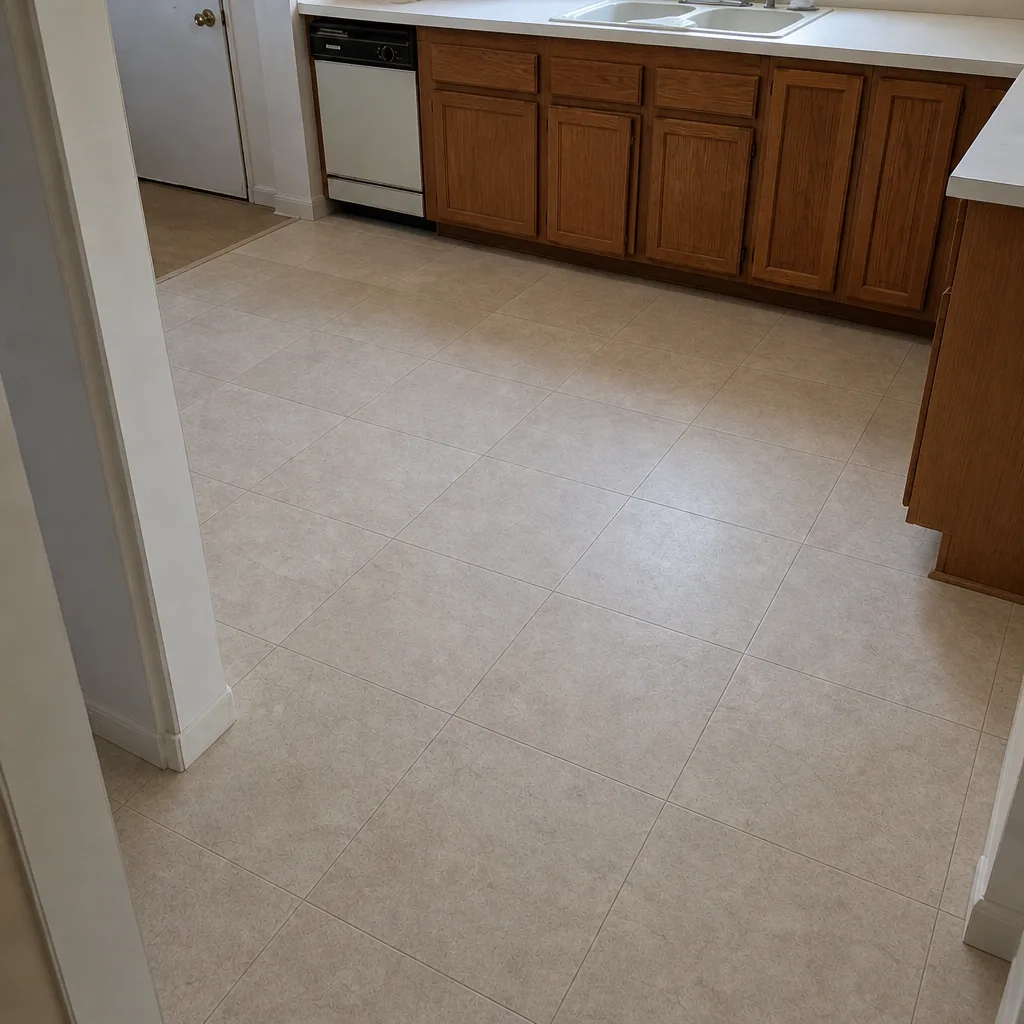
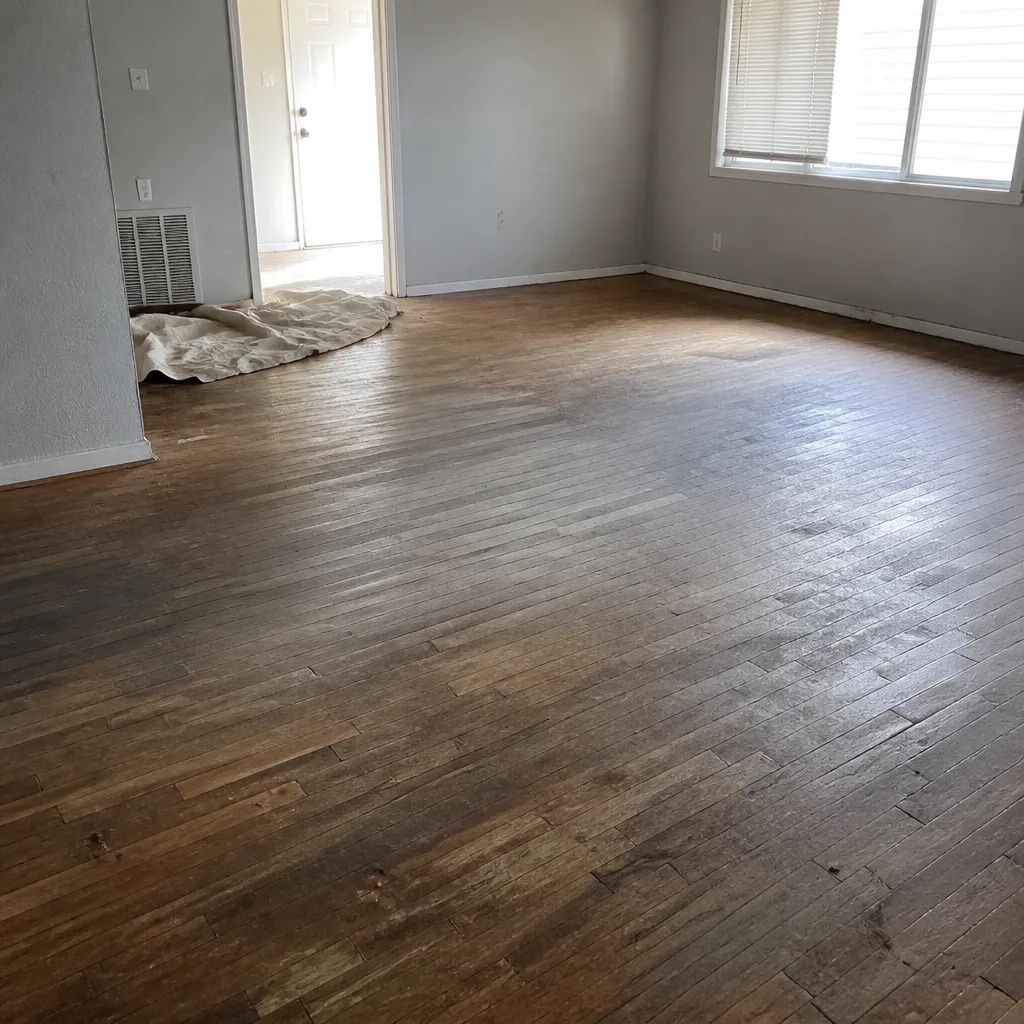
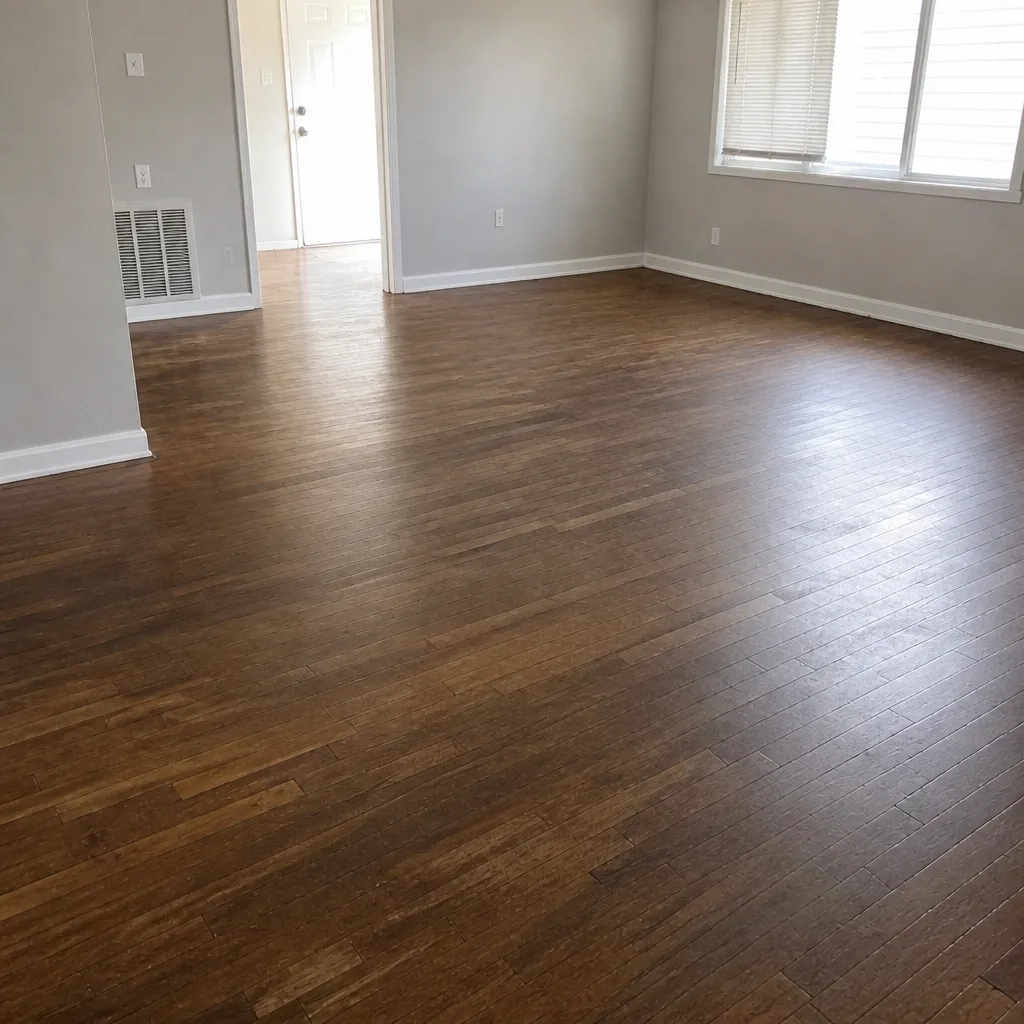
See the difference
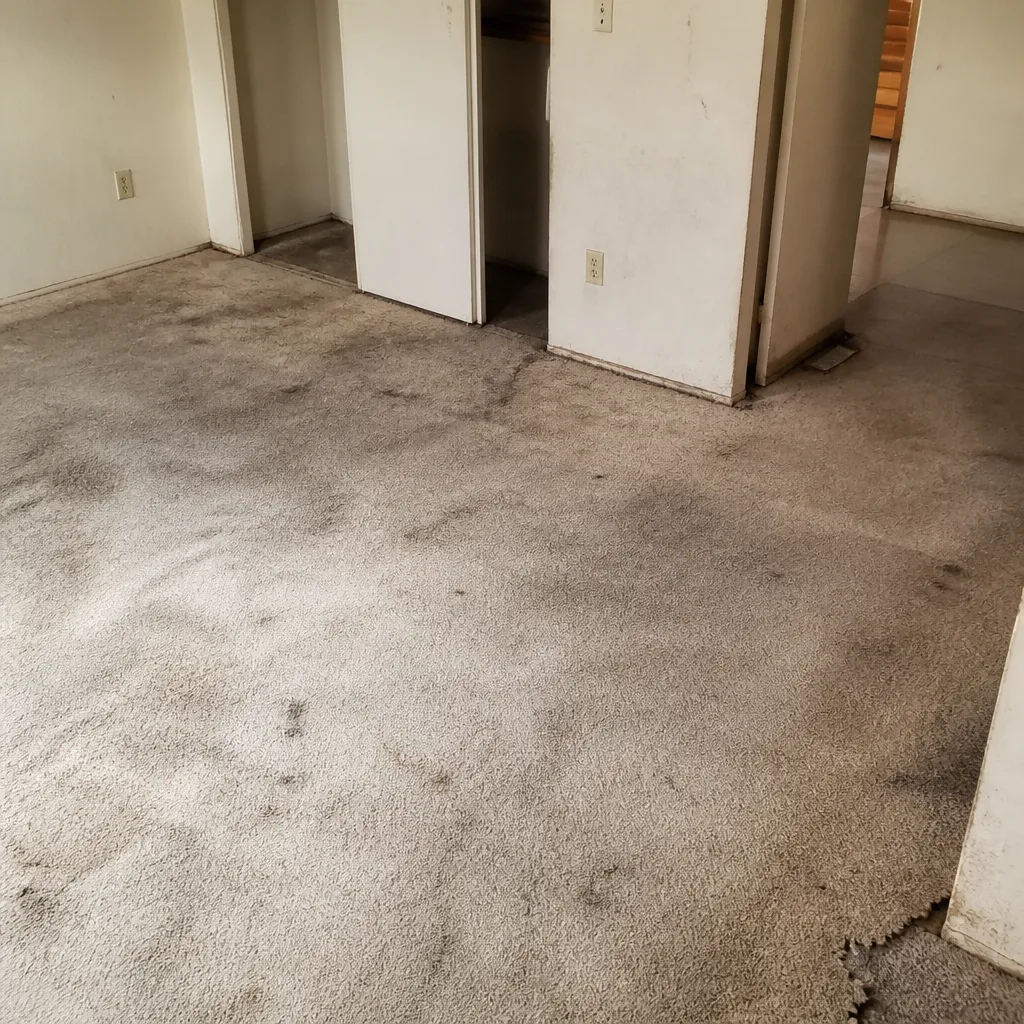 Before
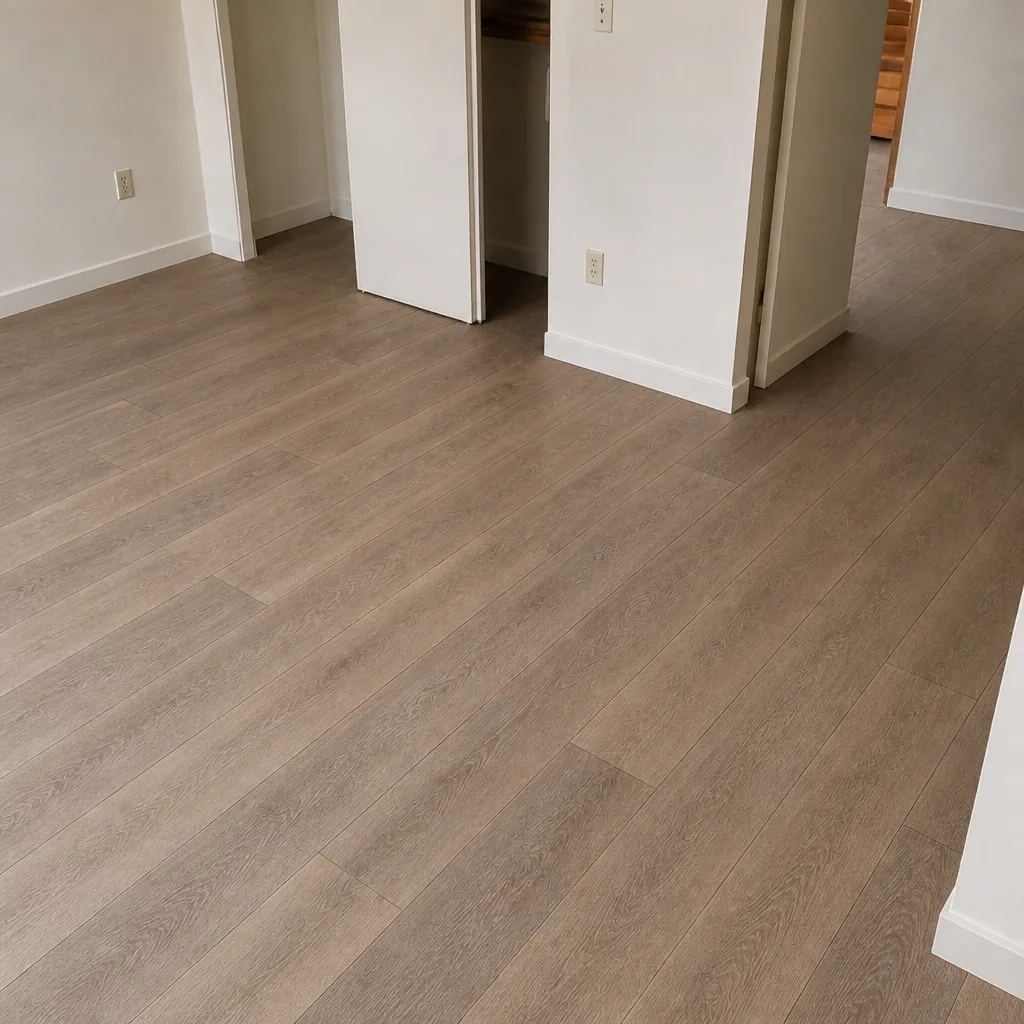 After
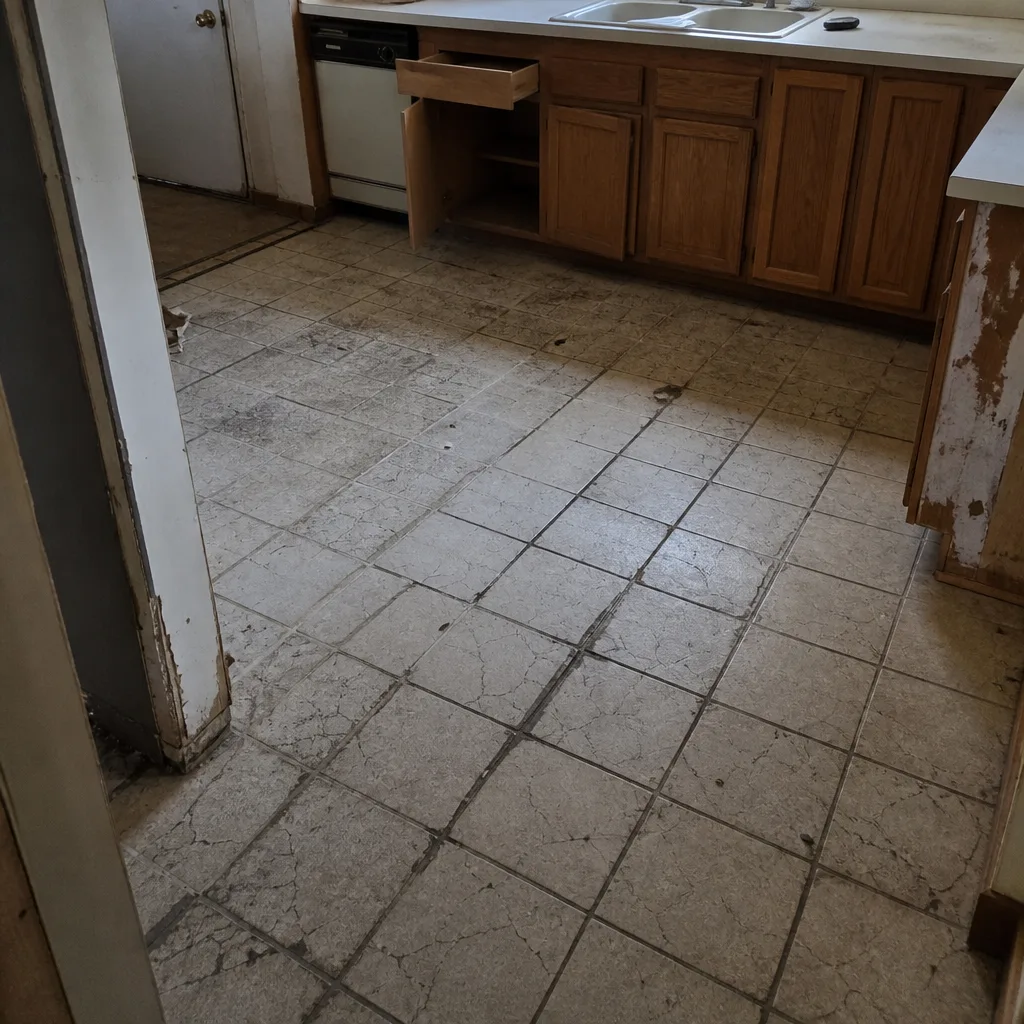 Before
 After
 Before
 After
When to Call a Professional
Not every flooring question warrants a professional visit. But several situations specifically do. Call for a professional estimate if any of the following is true: the subfloor feels soft or bouncy when you walk on it; your existing tile is cracked or lifting in a pattern rather than in a single spot; you’ve noticed moisture stains on a slab or signs of past water trouble; you want to know whether your hardwood can be refinished instead of replaced; you’re covering more than one room and need help deciding what holds up under your specific traffic; or you’re planning a project and want a written quote you can actually evaluate.
Flooring North Las Vegas offers free estimates in North Las Vegas. Call (844) 761-9160 to schedule a walk-through. We answer 24/7. Fast dispatch from 7am to 7pm, Sunday through Friday.
Frequently Asked Questions
A typical in-home flooring estimate takes 45 minutes to an hour and a half. One room usually falls at the shorter end, and multiple rooms with discussion take longer. Having your questions prepared ahead of time keeps the visit focused and can shorten it. Call (844) 761-9160 to schedule your free estimate.
We recommend it. The estimator will have questions about how you use each room, your pets, your kids, and your product preferences that you can answer best yourself. If you can’t be there, a family member or someone who knows the project well can stand in. Call (844) 761-9160 for an exact appointment time.
Not necessarily. A clear path through the room is enough for measuring and inspection. Furniture can stay in most cases. Full clearing becomes part of the install plan and gets discussed during the estimate. Call (844) 761-9160 to schedule your free estimate.
It depends on the product and material availability. In-stock products can often be scheduled within a few weeks of you confirming the order. Custom or special-order products take longer, and the schedule is set once the material arrives. The written estimate sets the final price; the firm install date is confirmed after material is locked in. Call (844) 761-9160 for an exact quote.
That’s exactly what the estimate visit is for. The estimator will walk through what each option handles best in your specific rooms and answer questions about the differences. There’s no pressure to decide at the visit. Call (844) 761-9160 for a free estimate.
Yes. Our portfolio includes Shaw, Mohawk, COREtec, and Pergo, along with several other established brands across carpet, tile, wood, and vinyl categories. You can research the product specs, reviews, and colors before you decide. Call (844) 761-9160 to schedule your free estimate in North Las Vegas.
The Bottom Line
A free in-home floor estimate is a diagnostic visit, and treating it that way is the entire point. The estimator should measure every room, inspect the subfloor, check for moisture and transitions, ask how each room is used, and explain why one product suits your space better than another. You should leave with a written, itemized quote and a clear sense of what’s included and what could add cost later. Comparing two quotes means comparing scopes, not just totals. In North Las Vegas, the heat, sun, and slab construction make those details more important, not less. If you want a walk-through where the estimator actually talks through the whole project, call Flooring North Las Vegas at (844) 761-9160 to schedule your free estimate. We answer 24/7. Fast dispatch from 7am to 7pm, Sunday through Friday.
Written by the team at Flooring North Las Vegas.