
Last updated November 18, 2026
 Hardwood
 Engineered hardwood
 Luxury vinyl plank
 Laminate
 Porcelain tile
 Carpet
 Shaw
 Mohawk
 COREtec
 Pergo
Free in-home measure and written estimate: Shaw, Mohawk, COREtec and Pergo lines compared on your own rooms, with carpet, tile, vinyl plank, laminate and hardwood laid out side by side
Get your free estimateFlooring Installation Questions to Ask Before You Sign
Most flooring disputes we hear about aren’t about bad craftsmanship. They’re about scope assumptions that nobody wrote down. Who moves the piano? Who pays for the plywood patch under the toilet flange? Who eats the cost when the tile you picked gets discontinued two weeks into the job? Every one of those arguments starts with a question that wasn’t asked before the contract was signed. We install carpet, tile, and hardwood in North Las Vegas, and we’ve watched homeowners discover half of these boundaries only after demolition day. This guide gives you the exact questions to ask a flooring contractor before you sign, organized around the moments in a project where vagueness turns into money.
Quick Answer
Before signing a flooring contract, get written answers to five things: who removes and disposes of the old floor, how much subfloor prep is included and what extra prep costs, whether transitions and thresholds are covered, who moves furniture, and how change orders get priced. Then confirm your overage percentage, the install method, and both the manufacturer and workmanship warranties in writing. A good flooring company in North Las Vegas will answer all of it without hesitation, and the answers belong in the contract, not in a verbal promise.
Styles & brands we work with
- Hardwood
- Engineered hardwood
- Luxury vinyl plank
- Laminate
- Porcelain tile
- Carpet
- Shaw
- Mohawk
- COREtec
- Pergo
Table of Contents
- The Five Scope Questions That Prevent Most Disputes
- Product Questions to Ask Before Material Is Ordered
- Installer Questions: Who Actually Shows Up?
- Warranty Questions Most Homeowners Skip
- Payment, Milestones, and Timeline Questions
- North Las Vegas Conditions That Belong in the Conversation
- Common Mistakes to Avoid
The Five Scope Questions That Prevent Most Disputes
Scope is where flooring estimates fall apart. Two quotes that look identical on the bottom line can describe completely different jobs. Ask these five questions out loud, then make sure the answers land in the written contract. If a company won’t commit to specifics on any of them, that alone tells you something.
- Who removes the old floor? Ask whether demolition is included, whether it covers every layer (some homes have carpet over old tile over linoleum), and whether old adhesive or tack strip gets removed. Removal is physical work, and it’s the first line item to disappear when a quote is being trimmed to win the job.
- How much subfloor prep is included, and what’s the limit? Every installer expects some prep. The question is the number. Is that a fixed allowance, a percentage, or open-ended? What happens if the crew pulls up carpet and finds soft plywood or a cracked slab? Get the allowance and the per-unit price for exceeding it in writing.
- Are transitions and thresholds included? Doorway reducers, stair nosings, t-molds, and the strip where new tile meets existing carpet are small pieces with real cost. Ask whether they’re in the price and whether the hardware itself is included or billed separately.
- Who moves the furniture? Ask exactly what gets moved. Most contracts cover small items only. Beds, dressers, appliances, and anything over a certain size usually need to be out before the crew arrives. Get the boundary in writing so you’re not moving a refrigerator at 7am.
- Who disposes of the old flooring and the waste? Demo debris, old carpet, and cut-offs have to go somewhere. Is the dumpster and haul-away in the price, or is that a separate line?
Ask each one in a North Las Vegas home with a remodel history and you’ll understand why. Homes here get flipped, re-flipped, and added onto, and you can find three flooring layers where the last owner swore there was one.
Product Questions to Ask Before Material Is Ordered
The moment material is ordered, options start closing. Ask these before that happens, not after.
Dye lot and batch matching
Carpet, tile, and wood all come in production runs, and color can drift between runs. Ask who checks the dye lot, whether the entire job is ordered at once from a single lot, and what happens if a second order is needed. For carpet, ask whether the company orders all rooms together so a hallway matches the bedroom it opens into.
Overage percentage
Every job needs extra material for cuts, waste, and future repairs. Ask what percentage is being ordered beyond the measured square footage, and ask what happens to the leftovers. For tile, extra is standard practice; a few spare pieces in the garage have saved more than one homeowner after a dropped pot. For carpet, ask about the roll width and how the layout affects seam placement and waste. Get the number, then ask why it’s the number.
Backorder and discontinuation
Ask directly: what happens if the product is backordered or discontinued mid-project? What’s the substitution process, who approves it, and who absorbs the cost difference? Ask how long the product has been in the line. A brand like Shaw or Mohawk has deep catalogs, but specific colors and styles do get retired. Get the answer before you sign, not when the crew is standing in an empty room.
What the estimate should show
- Product brand, line, and color, written out, not just “carpet”
- Measured square footage and the overage ordered
- Install method: stretched, glued, floated, nailed
- Adhesive, underlayment, and trim listed separately or noted as included
If you’re weighing carpet against hard surface, our carpet installation page walks through how those decisions play out room by room.
Installer Questions: Who Actually Shows Up?
This is the question most homeowners never ask, and it’s the one that determines who answers when something goes wrong. Ask plainly: are the installers employees of the company, or subcontractors? Both models exist and both can produce good work. What matters is accountability.
With in-house installers, the company controls the training, the schedule, and the standard. With day-labor subs, the company may have less leverage over who shows up and how a punch list gets handled. Neither answer is automatically wrong, but the answer should match the warranty. If the company warrants workmanship but can’t tell you who performed the work, ask how a callback gets resolved.
Questions that reveal the answer
- Are the installers on your payroll, or are they contracted per job?
- Will the same crew handle the entire project, or does it get handed off between phases?
- Who supervises the job, and who do I call if something looks wrong on day one?
- How does a punch list get handled after the crew leaves?
- Are you carrying the general liability and workers’ comp coverage for the people in my home?
Ask for the answers in writing. A flooring company confident in its crews will put them down. At Flooring North Las Vegas, our technicians have up to 8 years of experience, and we treat the installer question as a fair one.
Warranty Questions Most Homeowners Skip
Warranties get skimmed and signed without a second look, which is how homeowners end up with coverage that doesn’t cover the thing that failed. Two warranties exist on a flooring job and they do different jobs.
The manufacturer warranty
This covers the product itself, not the installation. Ask what voids it. The list usually includes improper subfloor prep, installation outside the manufacturer’s written instructions, using unapproved adhesives or underlayment, and sometimes installation over a wet slab or in a room with moisture problems. Ask: what specifically would void this warranty, and does the proposed installation method comply with the manufacturer’s requirements? Get the compliance answer in writing.
The workmanship warranty
This covers the installation: the seams, the edges, the adhesion, the layout. Ask how long it runs, what it covers, what it excludes, and whether it’s in the contract. Ask whether it’s transferable if you sell the home. Then ask the practical question: if I have a problem in year three, what’s the process and who pays for the repair?
What to confirm in writing
- Both warranties, summarized in the contract, not attached as a brochure
- The specific exclusions, in plain language
- The claims process, and who to call first
- Whether the product warranty requires a particular installation method that the contract specifies
If a company’s warranty language is vague in the meeting, it will still be vague when you need it. For a current look at our service, see Flooring North Las Vegas.
Payment, Milestones, and Timeline Questions
Payment terms are where a good job can still go sideways. Ask these before signing.
- What triggers each payment? A deposit before ordering material is normal, since the material has to be purchased. Ask what the next milestone is tied to: delivery, demo, mid-install, final walkthrough. Never pay the full balance before the final walkthrough.
- How are change orders handled? If the subfloor turns out worse than expected or you add a room, how does the price change, who approves it in writing, and how is it paid? Ask whether change orders are priced at the same rate as the original estimate or at a premium.
- What happens if material is delayed? Ask what the contract says about delays caused by backorder or shipping. Is the deposit refundable if the timeline slips significantly? Is there a re-schedule cost?
- What’s the schedule, and what’s the sequence? Ask which day demo happens, which day installation begins, and which day the final walkthrough is scheduled. Get it in writing.
- What does the final walkthrough cover? Ask who walks the job with you, what a punch list looks like, and how long fixes take once listed.
These questions apply in any city, but they matter in North Las Vegas, where HOA rules on flooring in upper units and scheduled walkthroughs can add steps to the timeline.
North Las Vegas Conditions That Belong in the Conversation
The desert changes how a flooring conversation should go. Homes here sit on slab construction in most neighborhoods, and the slab is where the questions start.
Slab moisture and heat
Ask any installer how they check moisture in the slab before installing, and ask what the product requires. A slab tested for moisture before installation is a slab that won’t surprise you later. In summer heat, adhesive set times and material handling change, and a crew that knows how to work with them produces a better floor. Ask how the schedule accounts for it.
Sun exposure and fading
West-facing rooms in North Las Vegas take intense afternoon sun. Ask how the product handles UV exposure, whether window treatments are already in place, and whether the installer accounts for fading risk in the layout. Products vary in lightfastness, and the question is worth asking before ordering.
Hardwood in the desert
Wood floors in a dry climate move. Ask how the installer accounts for indoor humidity, what the installation method does to allow for movement, and whether your existing wood floor is a candidate for refinishing rather than replacement. Refinishing is its own skill, and many installation-only shops can’t do it. We offer refinishing alongside new hardwood installation because keeping a floor is often the better answer. Our tile flooring installation page covers how the slab conditions play into tile work specifically.
Common Mistakes to Avoid
- Signing a one-line estimate. A price per square foot with no scope description is not a contract. Every line item should describe a task, and if something is missing, it isn’t included.
- Assuming subfloor repair is covered. Most estimates include a modest allowance. Ask the number and the price beyond it, because in a North Las Vegas flip home, you may find more issues than the allowance covers.
- Skipping the dye lot question. Ordering carpet room by room can produce a color mismatch in the hallway. Order the whole job from one lot and get the answer in writing.
- Taking a verbal warranty. If the workmanship warranty isn’t in the contract, it’s a conversation, not a commitment. Get the terms on paper before the first truck arrives.
- Paying the full balance before the walkthrough. Final payment should follow the final walkthrough and punch list. That’s the leverage that gets small problems resolved.
- Ignoring the transition strip. Where tile meets carpet or wood, the transition often isn’t in the base price. Ask directly and get it listed.
- Not asking who’s moving the furniture. A contract that says “move small items” and shows up expecting rooms emptied is a source of friction. Confirm the line before the schedule is set.
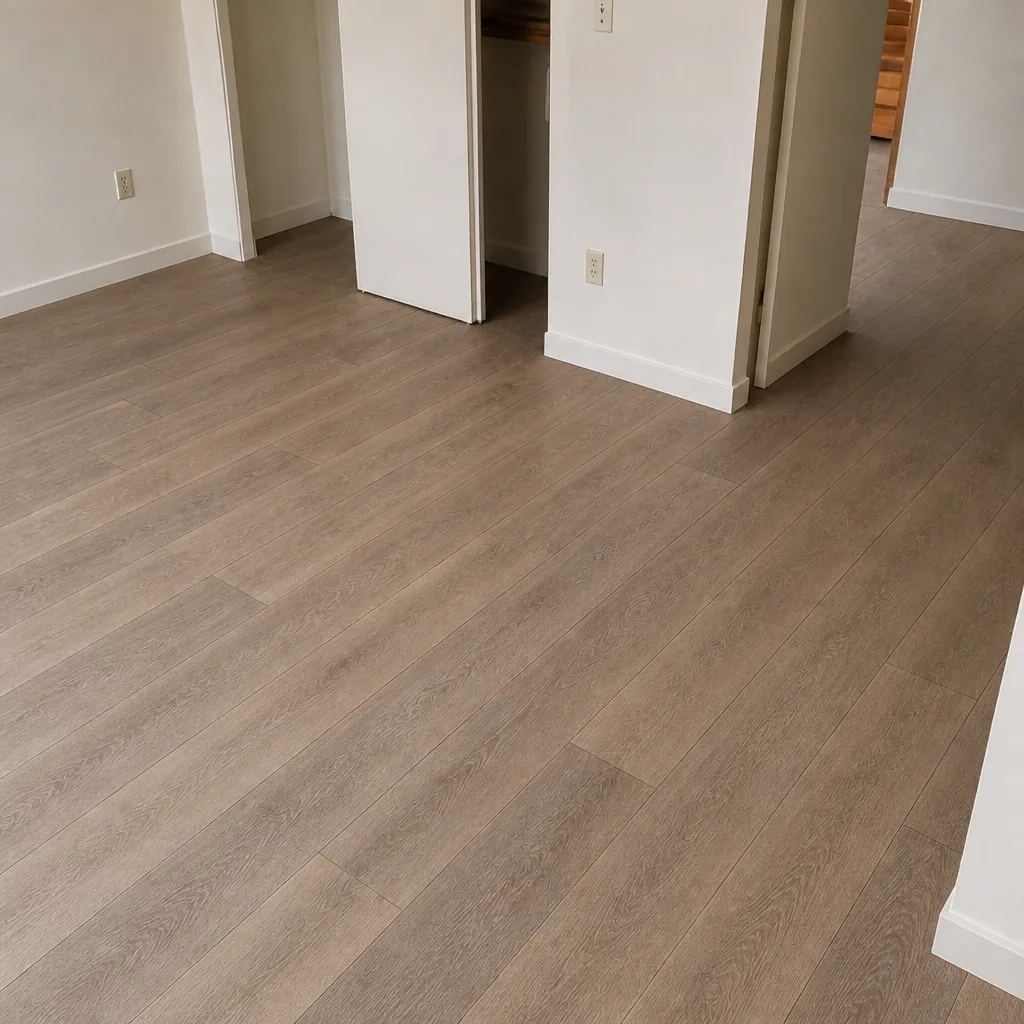
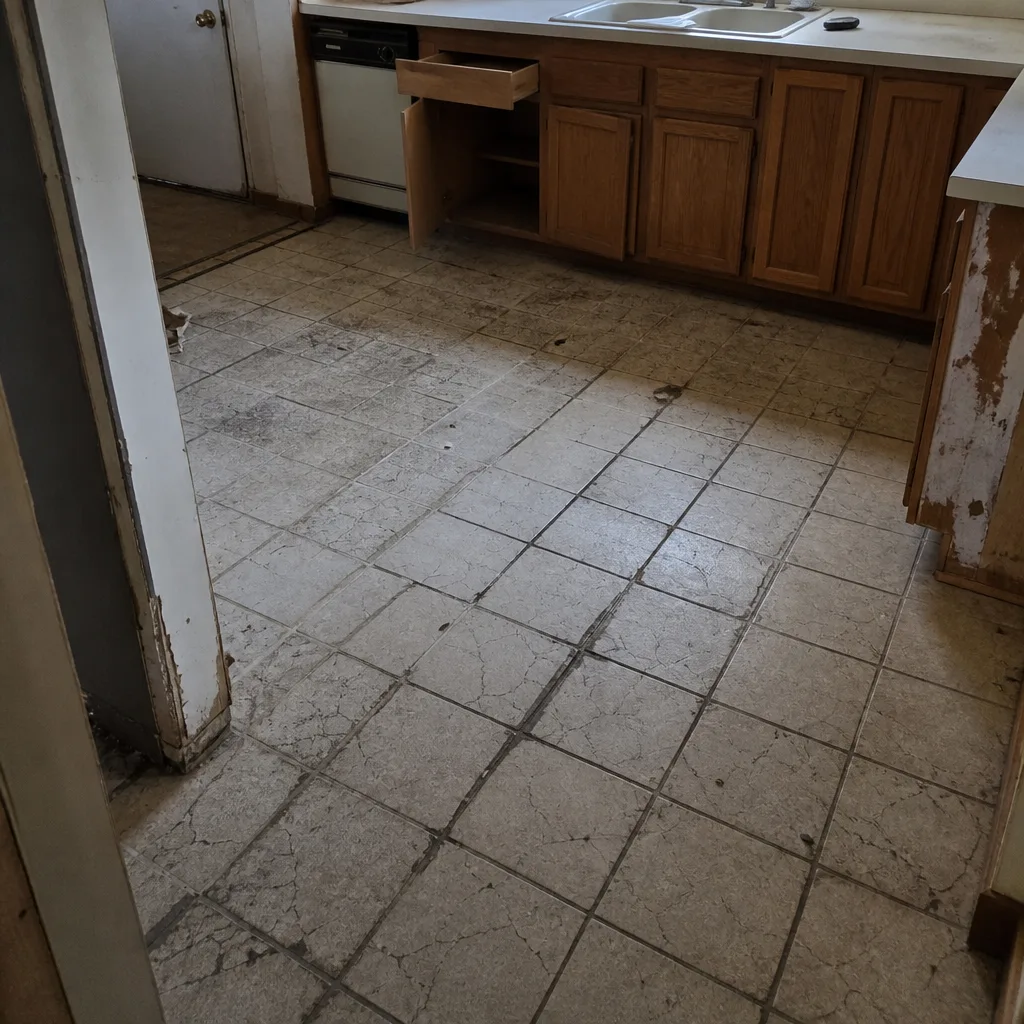
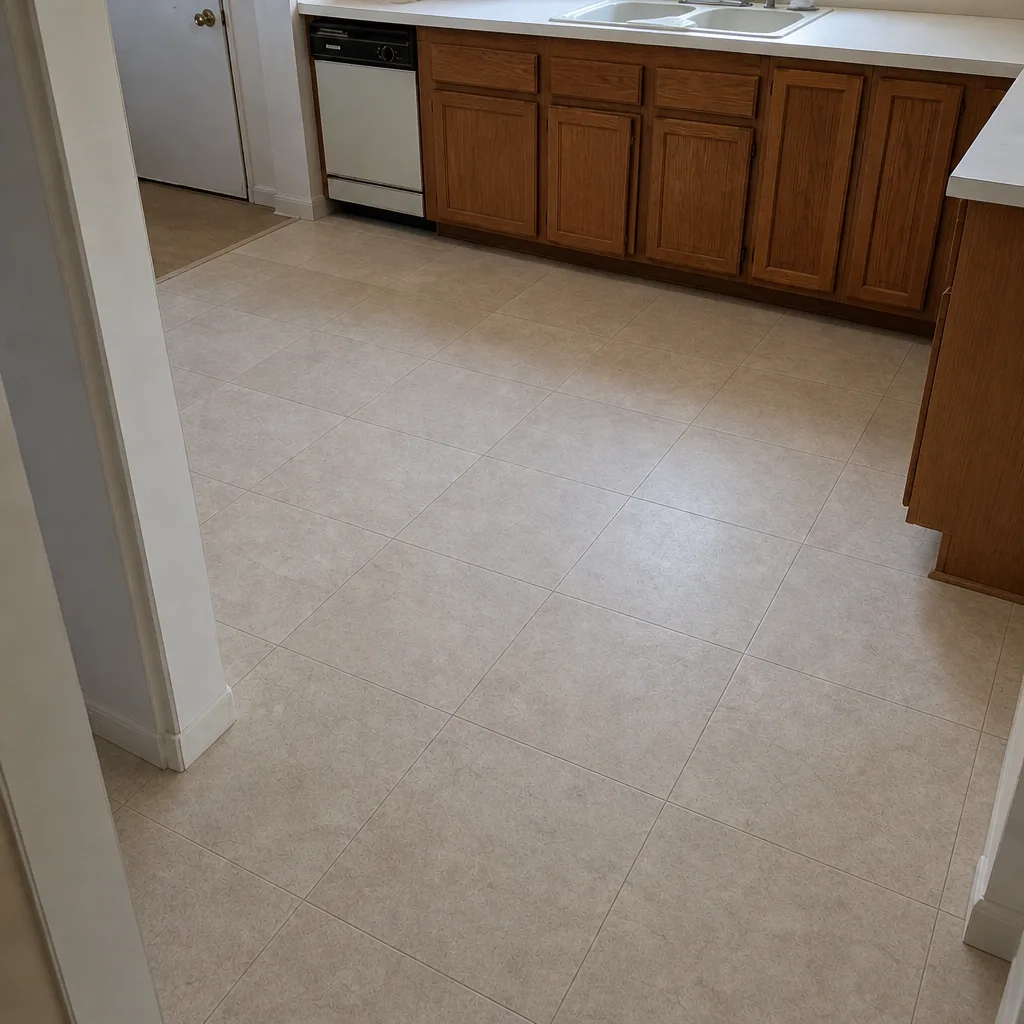
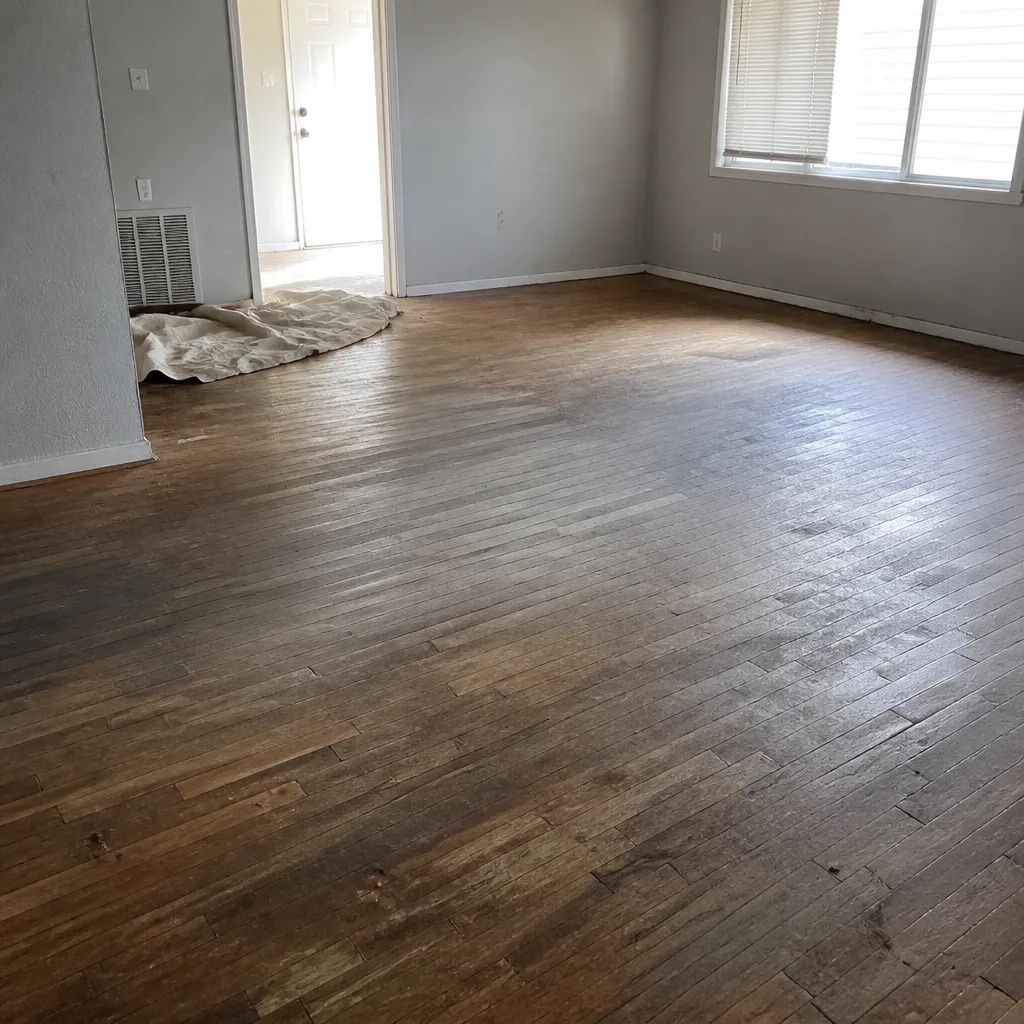
See the difference
 Before
 After
 Before
 After
 Before
 After
When to Call a Professional
Most of the hard decisions in a flooring project are above the homeowner’s pay grade: confirming subfloor conditions, judging whether an existing hardwood floor can be refinished, matching a carpet dye lot across a whole house, and getting a warranty written in enforceable language. The right time to call is before signing anything. A free in-home measure and estimate gives you a written scope to compare against any other quote, and it lets a specialist look at your specific home instead of guessing from photos. Flooring North Las Vegas offers free estimates in North Las Vegas. Call (844) 761-9160. We answer 24/7. Fast dispatch, 7am-7pm, Sunday through Friday, and we’re closed Saturday. The written estimate sets the final price.
Frequently Asked Questions
The most important question is what’s included in the scope: demo, subfloor prep, transitions, furniture, and disposal. Get all five in writing. Anything not listed in the estimate is not included, and it will become a change order later. Ask for the scope in plain language and compare it line by line with any other quote. Call (844) 761-9160 for a free estimate that spells it out.
Yes, and ask it directly. The answer tells you who stands behind the work when something goes wrong. Both models can work, but the warranty should match the employment model, and the answer belongs in writing. If the company can’t tell you who does the work, ask how a callback gets resolved. Call (844) 761-9160 and ask us directly.
Ask the company to explain their overage and why, because it varies by product and room shape. Tile generally needs more spare material than carpet because of cuts and breakage. Get the measured square footage and the overage percentage in the estimate. Ask what happens to the leftover material and keep a few pieces for future repairs. Call (844) 761-9160 for an exact figure for your rooms.
It depends on the thickness of the wood and its condition, and it has to be checked at the estimate visit. A specialist will look at wear, cupping, gaps, and how much material remains above the tongue. Refinishing is a distinct skill, and not every flooring company offers it. We do, and we’ll tell you honestly which route is worth it. Call (844) 761-9160 to schedule a free in-home estimate.
It should state what happens if the product is delayed or discontinued: the substitution process, who approves it, and who absorbs the cost difference. Get the deposit terms in writing too. Ask how long the product has been in the line before you commit. A flooring specialist working with Daltile tile or a Shaw or Mohawk carpet line can usually answer this before you sign. Call (844) 761-9160 to talk through your product selection.
No, the estimate is free. The written estimate is the price, and there’s no charge to get it. That’s the reason to get one in writing before you decide anything. Flooring North Las Vegas offers free estimates in North Las Vegas. Call (844) 761-9160. We answer 24/7. Fast dispatch, 7am-7pm, Sunday through Friday.
The Bottom Line
The questions in this guide are designed to surface ambiguity before it becomes a conflict, and they cost nothing to ask. Get five scope items in writing: demo, subfloor prep limits, transitions, furniture, and disposal. Confirm the dye lot, overage percentage, and what happens if the product is discontinued. Ask who installs the floor and whether both the manufacturer warranty and the workmanship warranty are in the contract. Tie payment to milestones, including the final walkthrough. These questions won’t replace a good crew, but they will keep a good crew and a good estimate on the same page. If you want to walk through them with a specialist, call (844) 761-9160 for a free estimate. Our technicians have up to 8 years of experience and we install carpet, tile, and hardwood across North Las Vegas.
Written by the team at Flooring North Las Vegas.