
Last updated November 18, 2026
 Hardwood
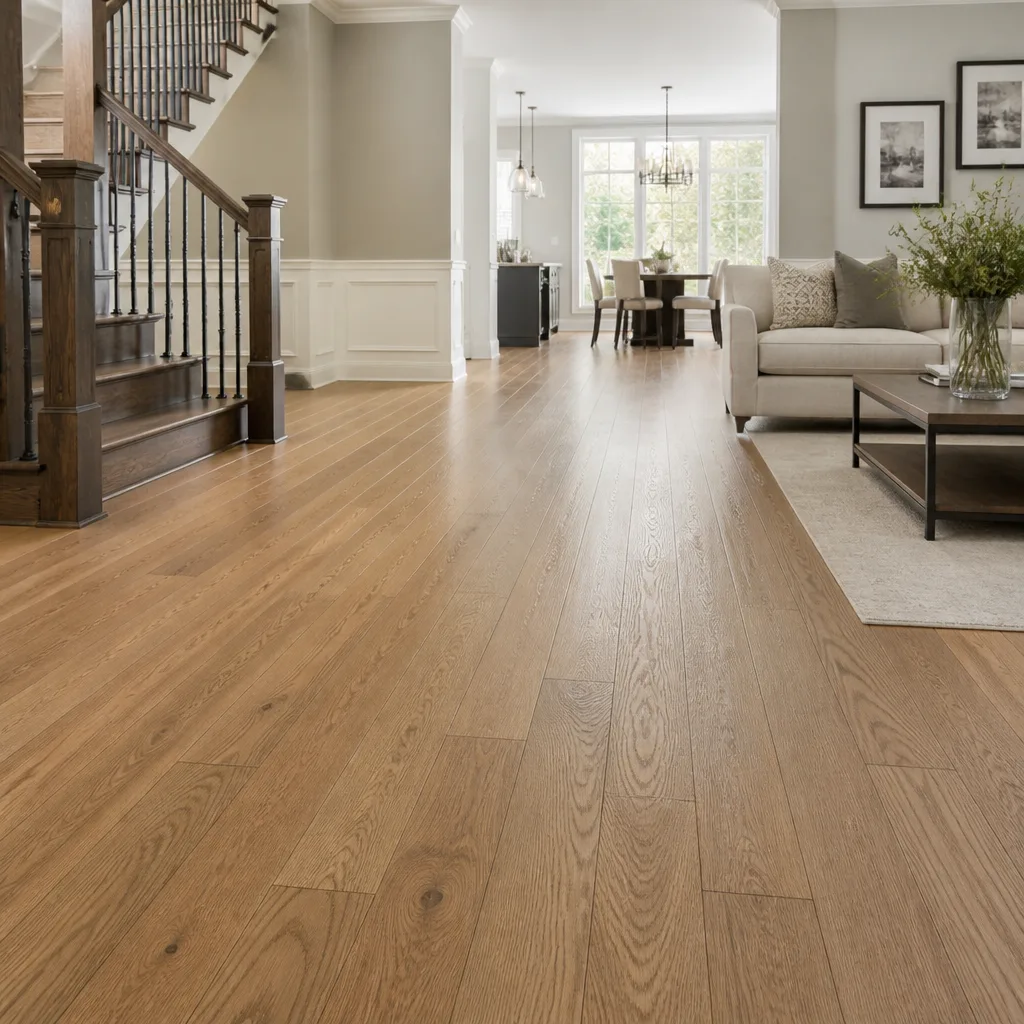 Engineered hardwood
 Luxury vinyl plank
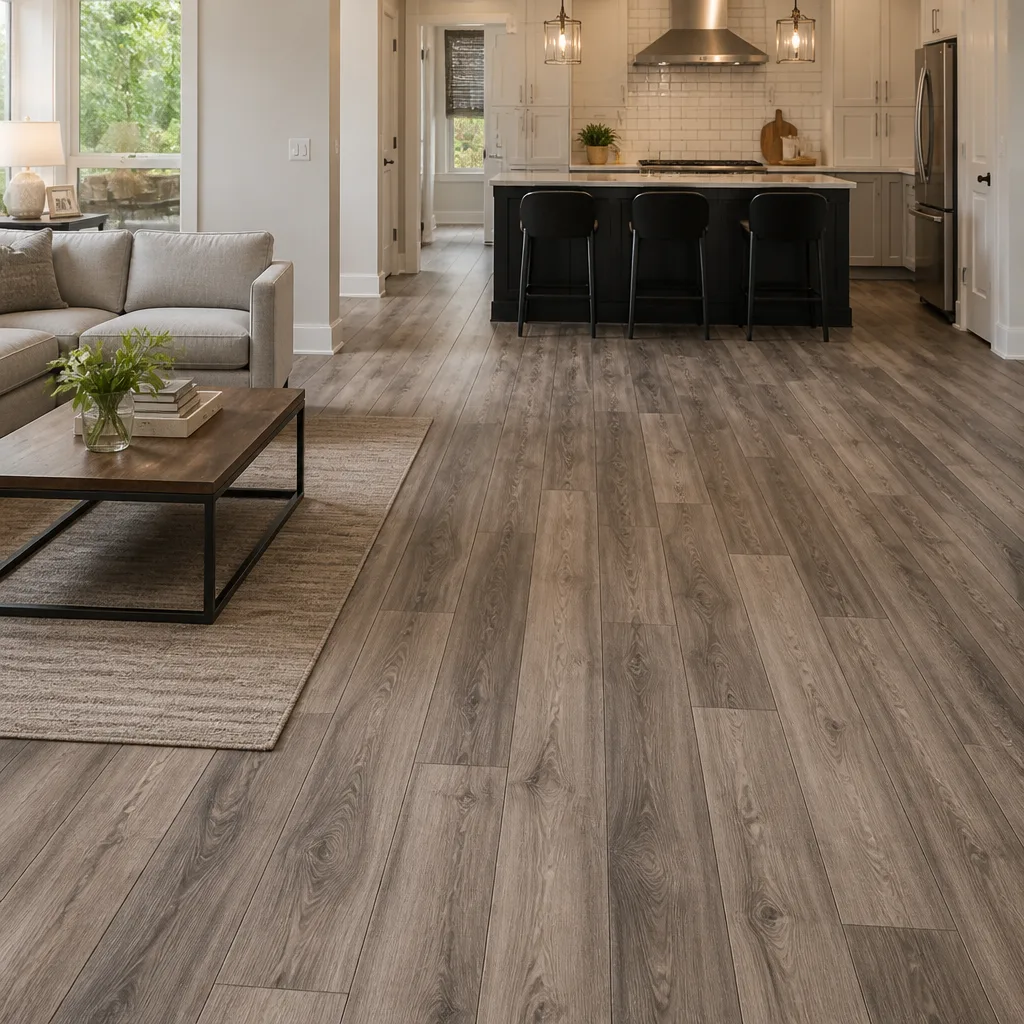 Laminate
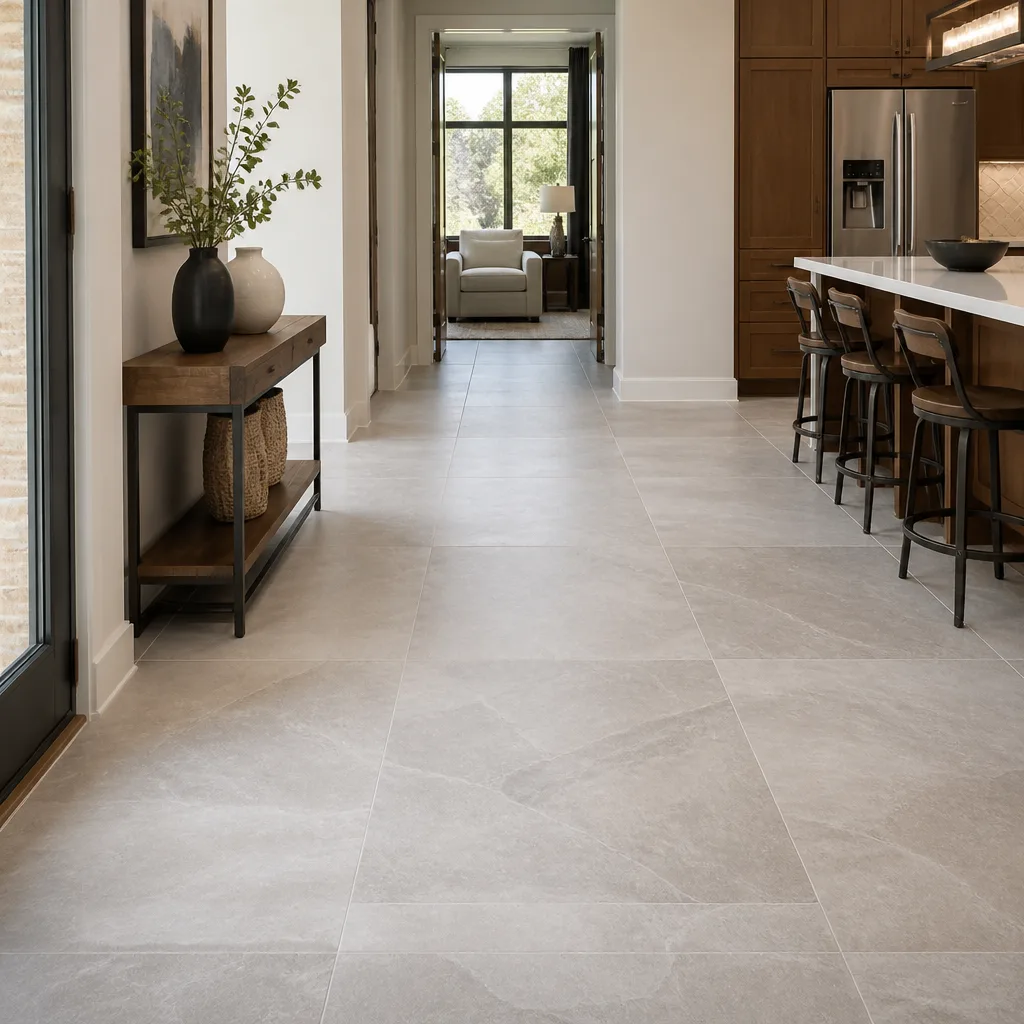 Porcelain tile
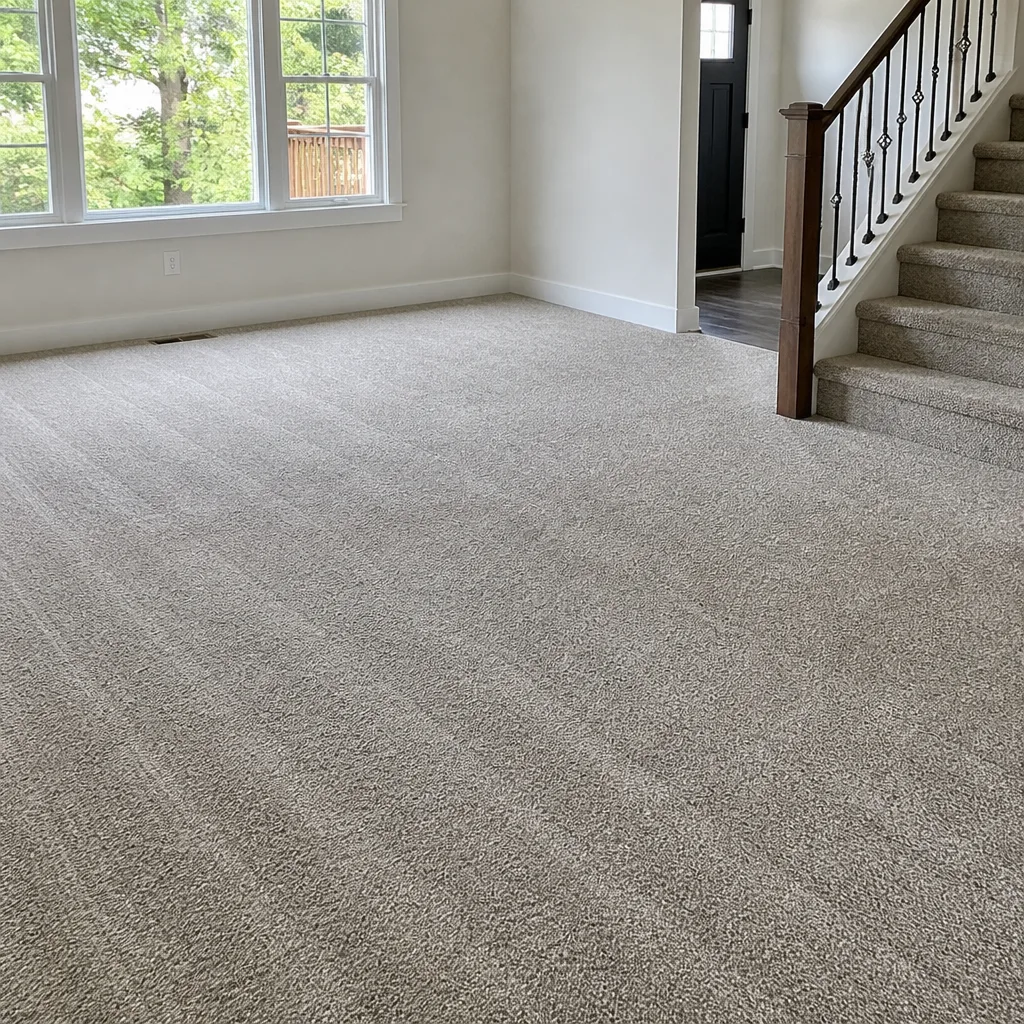 Carpet
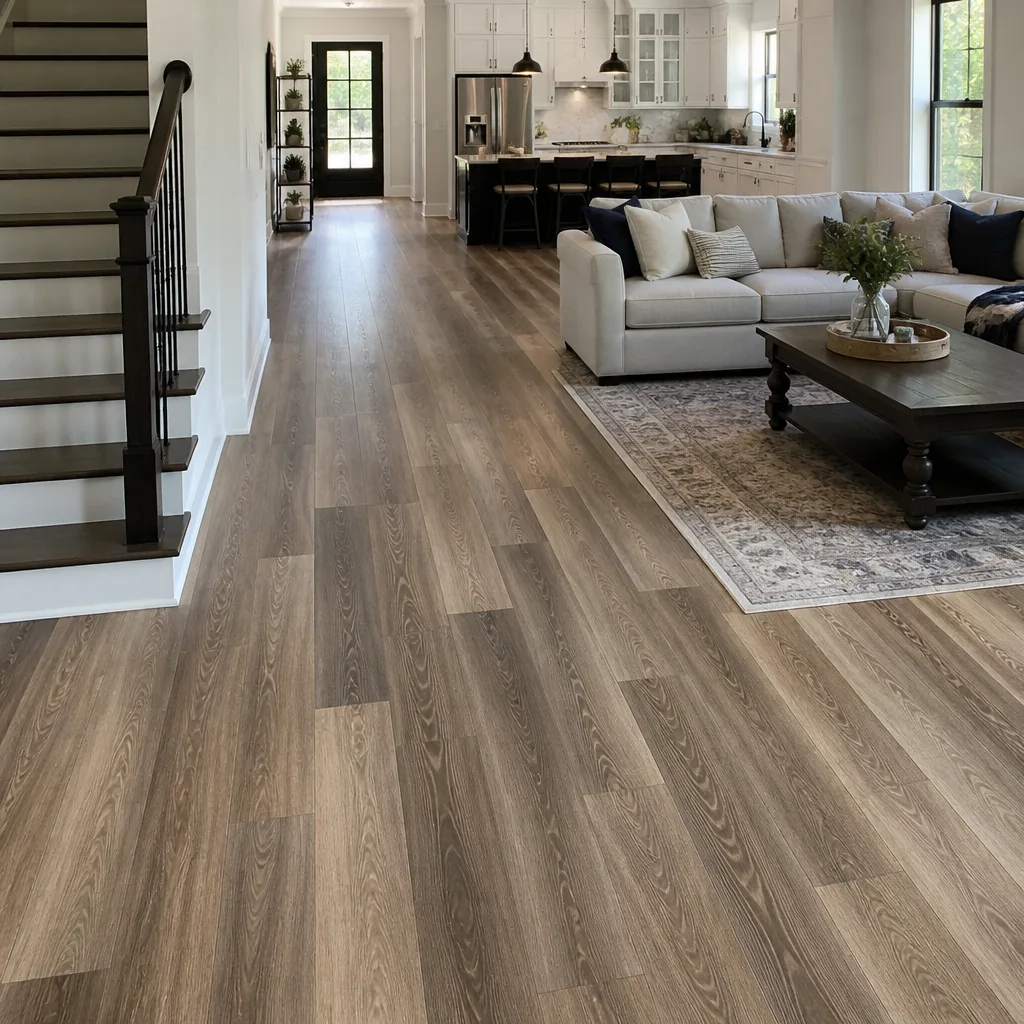 Shaw
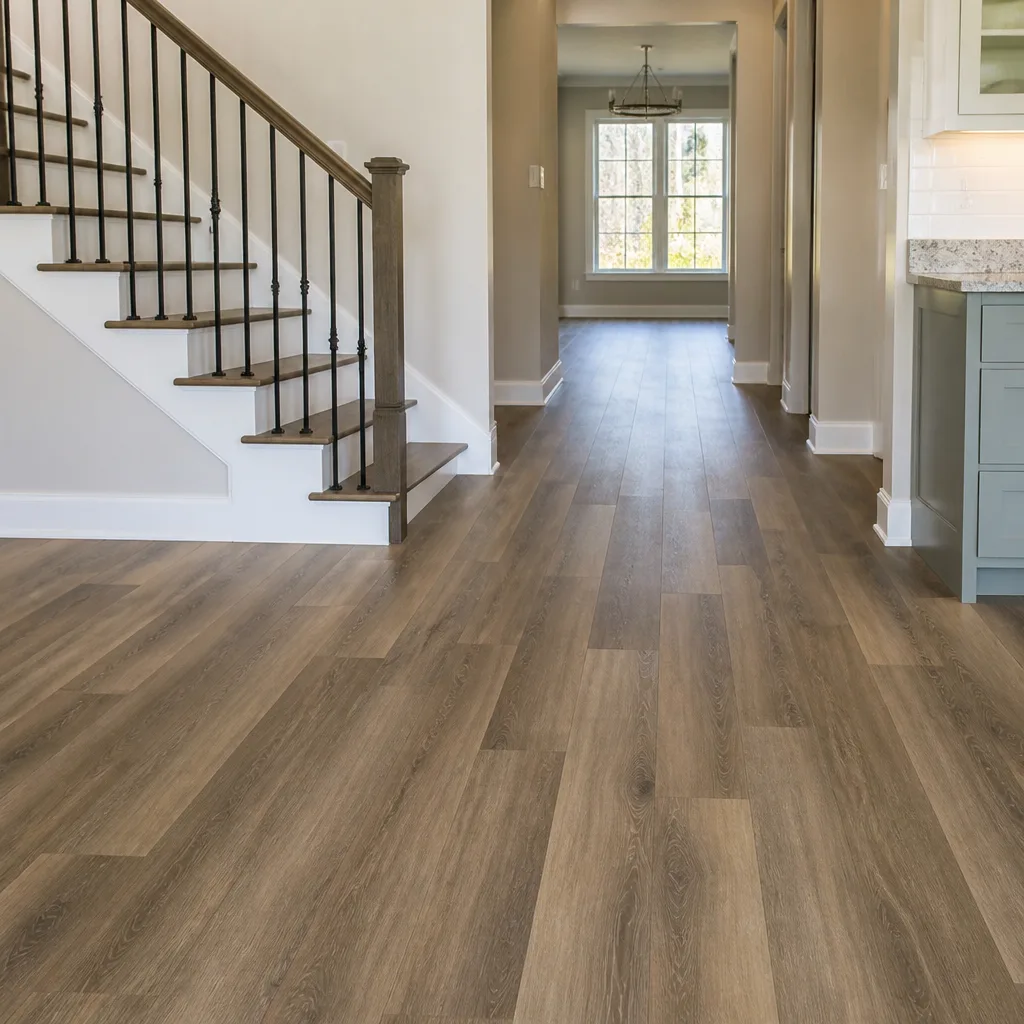 Mohawk
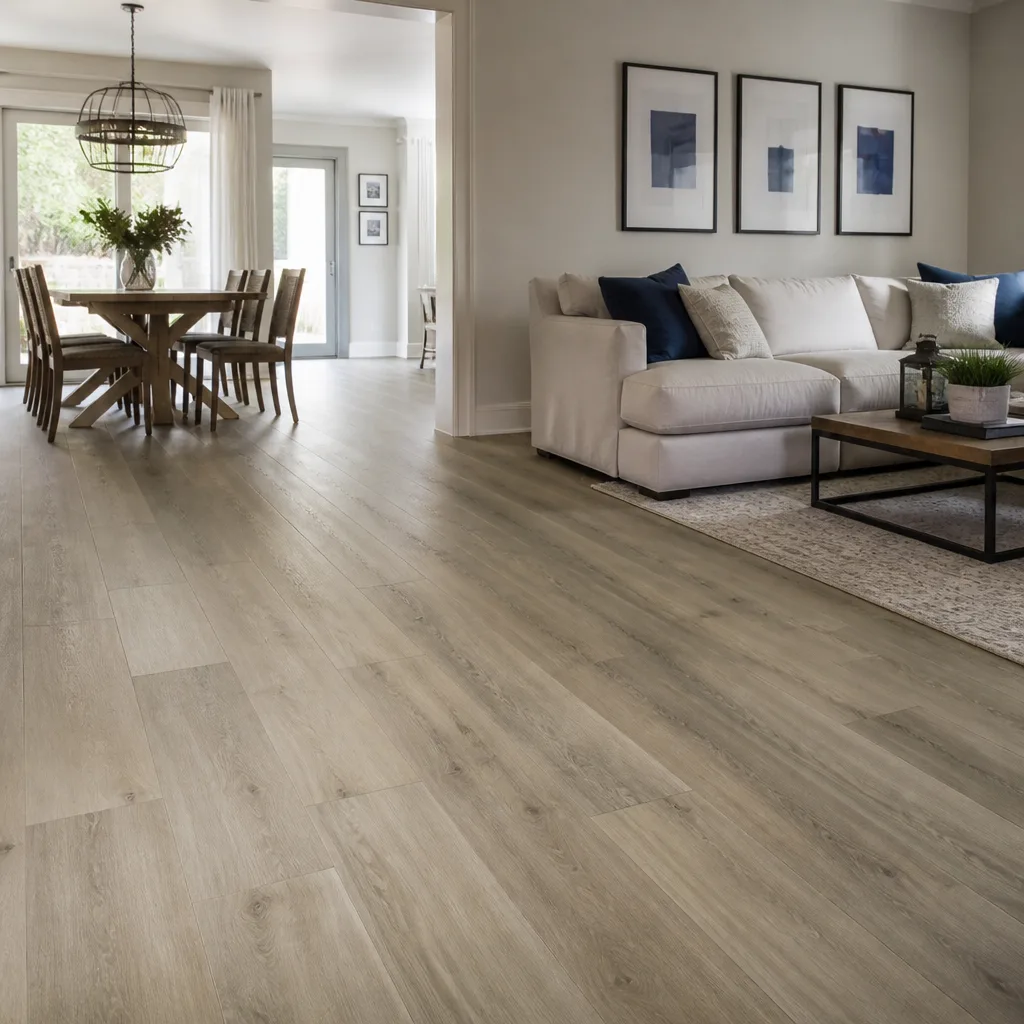 COREtec
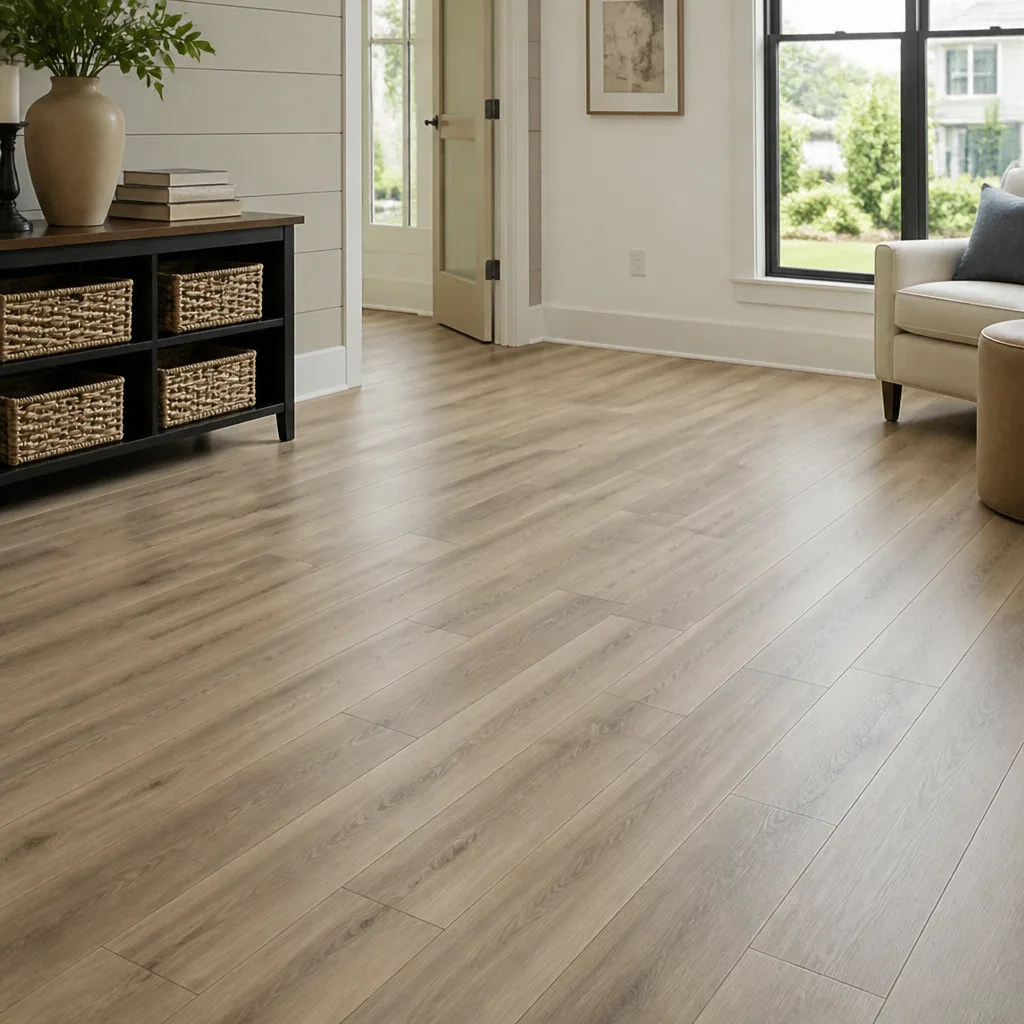 Pergo
Free in-home measure and written estimate: Shaw, Mohawk, COREtec and Pergo lines compared on your own rooms, with carpet, tile, vinyl plank, laminate and hardwood laid out side by side
Get your free estimateFlooring Cost Breakdown: The North Las Vegas Homeowner’s Reference for 2026
The most common flooring budget mistake isn’t underestimating material cost. It’s ignoring that demo and subfloor repair can add $1 to $3 per square foot before a single plank goes down. Homeowners pull a number from an online calculator, subtract it from savings, and then get a written estimate that lands meaningfully higher. The gap isn’t the installer trying to squeeze you. It’s labor, disposal, and the condition of what’s underneath. This guide builds the cost of a floor from the ground up for the 2026 North Las Vegas market: what each line item actually costs, why the sticker price per square foot never matches the installed price, and how to read a quote so you know what you’re paying for. Nothing here is a sales pitch. It’s the reference we wish every homeowner had before the first measurement.
Quick Answer
Installed flooring in North Las Vegas in 2026 typically runs $3 to $5 per square foot for carpet, $5 to $9 for luxury vinyl plank, $8 to $14 for ceramic or porcelain tile, and $10 to $18 for solid hardwood, all including material and basic installation labor. Add $1 to $3 per square foot when old flooring has to come up, and another $1 to $4 for subfloor leveling or repair if the slab or subfloor is out of flat. The written estimate sets the final price, and you should get one in writing before any floor is ordered.
Styles & brands we work with
- Hardwood
- Engineered hardwood
- Luxury vinyl plank
- Laminate
- Porcelain tile
- Carpet
- Shaw
- Mohawk
- COREtec
- Pergo
Table of Contents
- What goes into an installed flooring price?
- Why the number on the label isn’t your installed price
- Cost by category: carpet, luxury vinyl plank, tile, and hardwood
- Hidden costs in older North Las Vegas homes
- How to read a flooring quote line by line
- How to tell whether a bid is competitive
- How a flooring project actually runs, step by step
- Common mistakes to avoid
What goes into an installed flooring price?
An installed flooring price is a stack of six line items, not one number. The material is the biggest single line on most projects, but the other five combined often match or beat it once you’re dealing with an older home.
- Material. The floor itself, priced by the square foot with waste figured in. Expect roughly 10% extra for cuts and future repairs on most rooms; tile and diagonal layouts need more.
- Underlayment. Carpet needs cushion, vinyl needs a level substrate, and hardwood and tile each have their own requirements beneath them. Not every product needs the same thing, and the product instructions decide what’s specified.
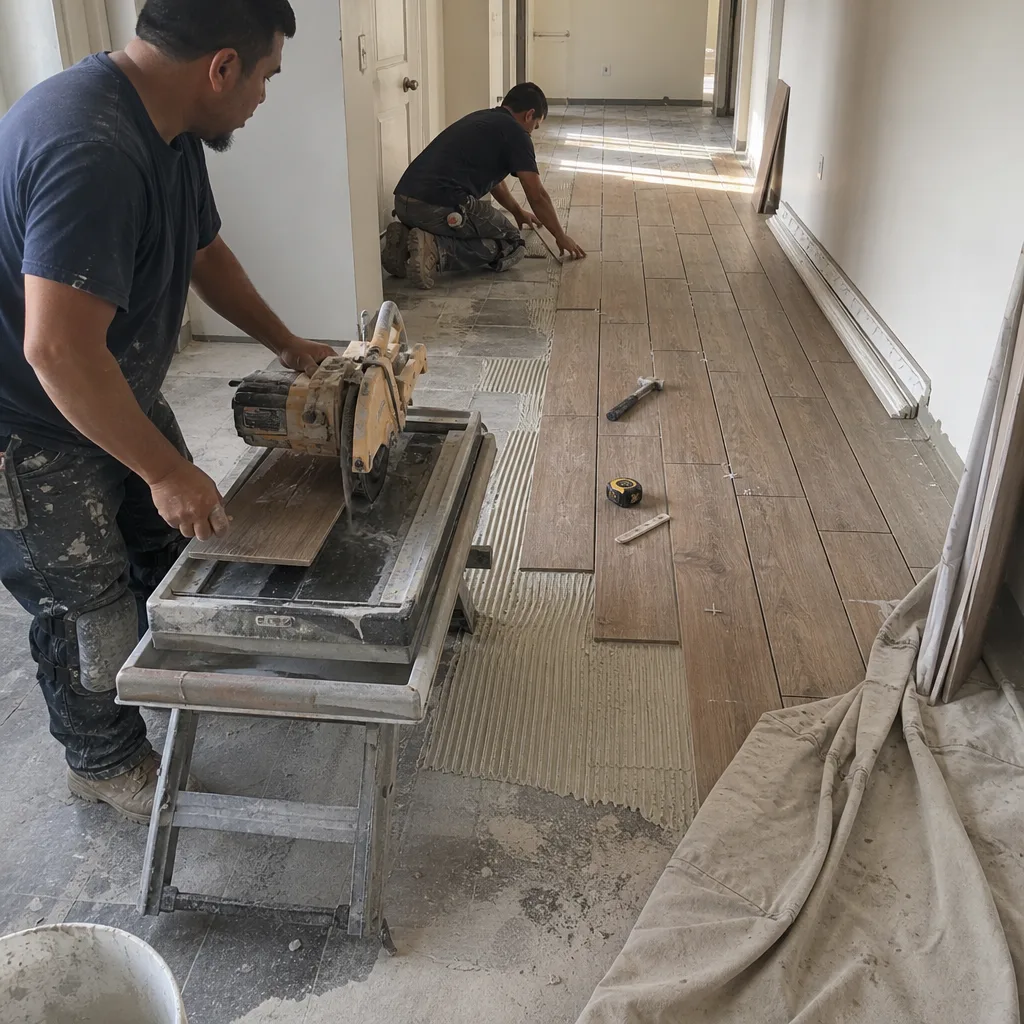
- Demo and haul-away. Tearing out the existing floor, bagging it, and getting it off your property. This is where the online calculators go quiet.
- Subfloor leveling and repair. Filling low spots, grinding high spots, patching cracks, or replacing a soft patch of plywood. Slab homes are common in North Las Vegas, and slabs don’t always pour flat.
- Installation labor. The actual set of the floor. Tile and hardwood take longer per square foot than carpet or vinyl, and it shows in the labor line.
- Finishing. Trim, baseboard reinstallation, thresholds, and in the case of hardwood, sanding and coating if the floor is being refinished rather than replaced.
Every one of those lines should show up separately on a written estimate. If your quote is a single blended number, ask for the breakdown before you sign. Estimates are free, and a real one is itemized. Flooring North Las Vegas walks every room before pricing it, because the subfloor is the half of the job you can’t see from the doorway.
Why the number on the label isn’t your installed price
The price printed on a flooring display is a material price per square foot. It is not an installed price, and the gap between the two is usually the single biggest surprise in a flooring project. A $2.50 per square foot carpet label and a $6 per square foot installed number can both be accurate for the same room, because they’re describing two different things.
Here’s how to reconcile them. Start with the material cost per square foot, add 10% for waste, then add the estimated labor, then add demo and disposal, then add subfloor prep if it applies. That’s your working number. When you get a written estimate, compare it against that figure line by line rather than against the label.
- Waste factor. Material is bought for the room’s area plus cuts. Flat layouts waste less; diagonal or patterned layouts waste more.
- Room shape. One open room installs faster per square foot than three small rooms with the same total area. More corners, more doorways, and more transitions each cost time.
- Stairs and closets. Stairs are priced per step, not per square foot, on carpet and vinyl. Closets often carry a minimum.
- Furniture. Moving and resetting furniture may or may not be in scope. Confirm it before the crew arrives.
- Square footage minimums. Small jobs carry a minimum charge on many quotes, because the setup costs don’t shrink with the room.
We’ve seen homeowners shop a label price against an installed price and conclude the installer is overcharging. Usually the two numbers were never comparable. Ask for the estimate in line-item form and the comparison becomes fair.
Cost by category: carpet, luxury vinyl plank, tile, and hardwood
The most useful comparison compares the same quality tier across categories, not the cheapest product in one against the premium product in another. At comparable mid-range quality, the installed cost ladder in North Las Vegas in 2026 typically runs carpet lowest, then luxury vinyl plank, then ceramic tile, then solid hardwood at the top. Here’s the breakdown as typical ranges rather than exact quotes.
- Carpet (soft surface). Installed material plus basic labor: roughly $3 to $5 per square foot. Cushion, stretch, and trim included in the labor allowance on most jobs.
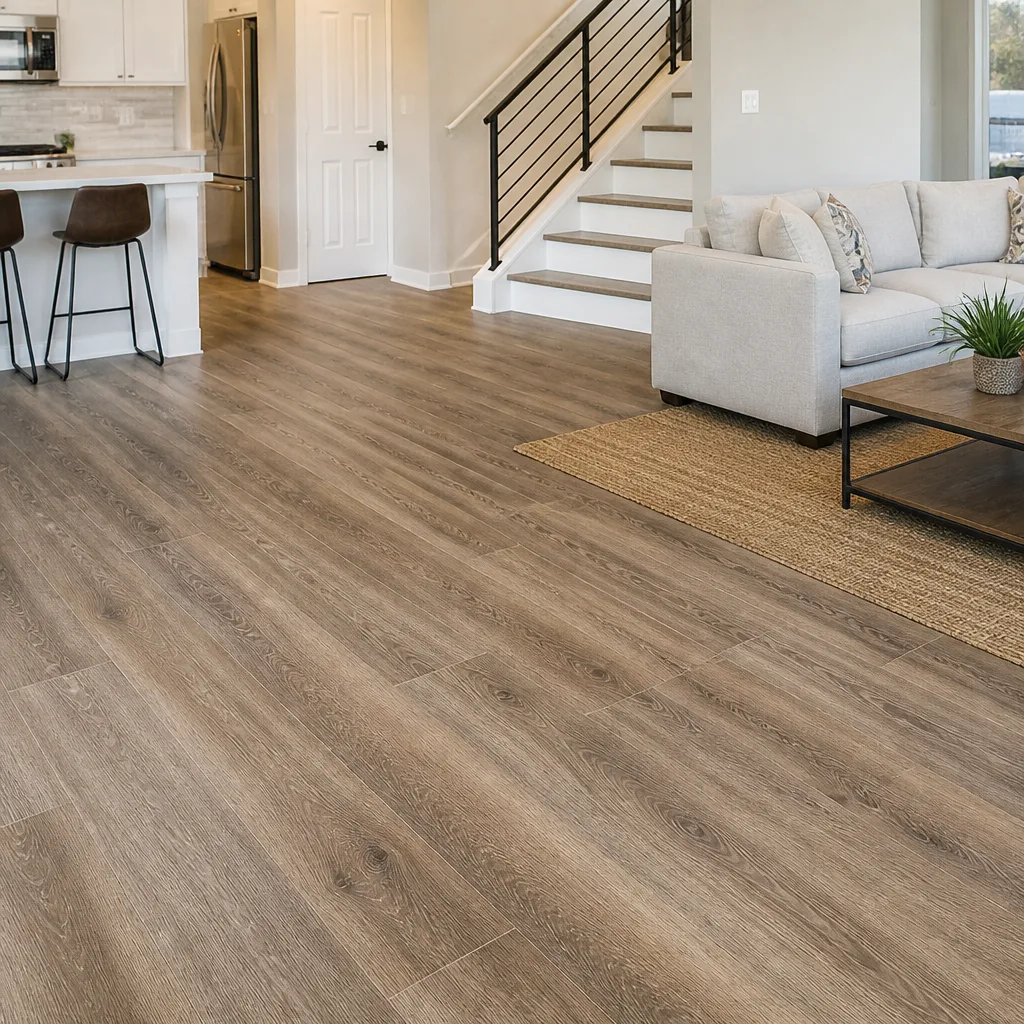
- Luxury vinyl plank. Installed: roughly $5 to $9 per square foot. Substrate prep matters more than the product here; the flatter the existing floor, the cleaner the install.
- Ceramic and porcelain tile. Installed: roughly $8 to $14 per square foot. Layout complexity, grout joint width, and whether you’re tiling an entire floor or a small bathroom all move that number.
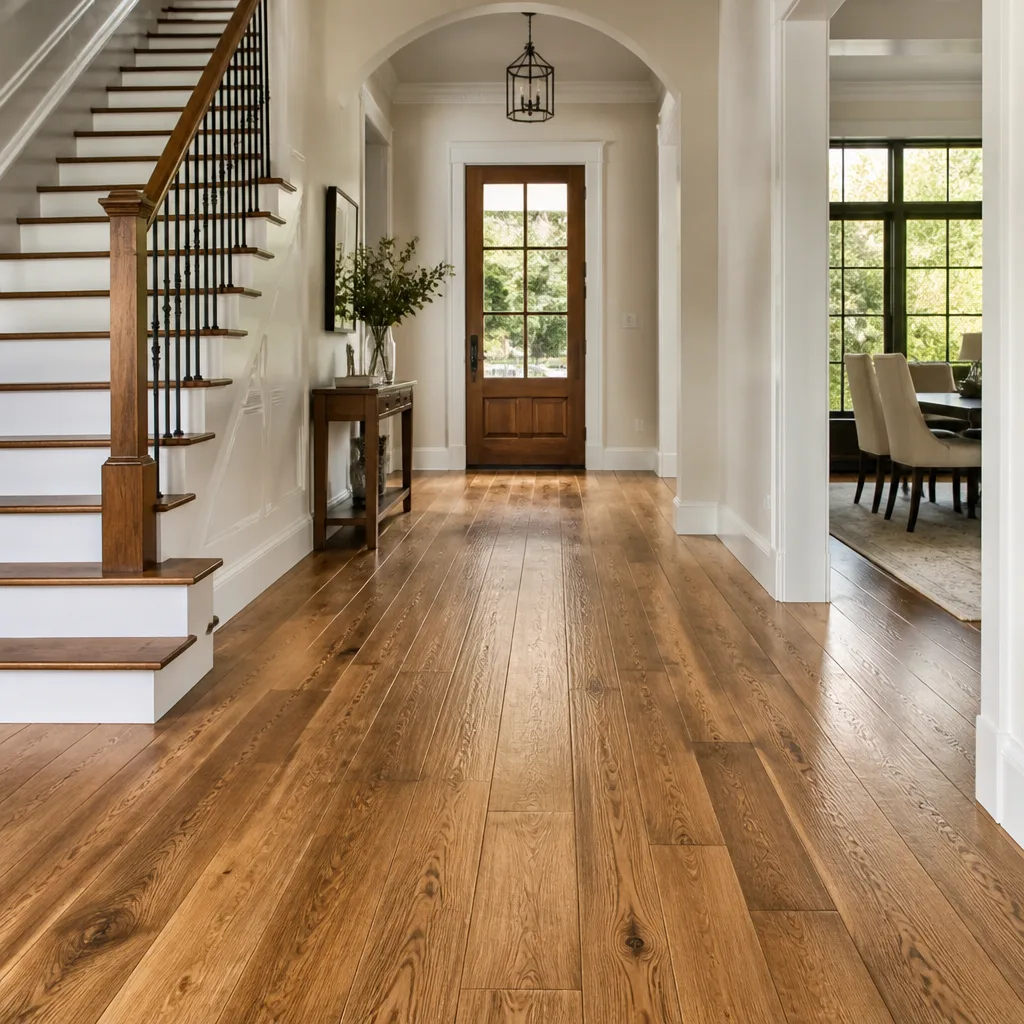
- Solid hardwood. Installed: roughly $10 to $18 per square foot. Refinishing an existing hardwood floor instead of replacing it sits in a lower band than a full new install, depending on the wood’s condition and thickness.
- Demo and disposal. Add $1 to $3 per square foot across all categories when existing flooring comes up.
- Subfloor leveling or repair. Add $1 to $4 per square foot when the substrate needs work.
The gap between carpet and hardwood at comparable quality is real and it’s labor, not just material. Tile and hardwood take longer to set. That’s why the same room can price in three different brackets depending on which surface you choose. If the goal is durability with a hard surface, tile flooring installation covers the category in more depth, and if the goal is to replace the soft areas room by room, carpet installation lays out what changes between rooms.
Where the nine brands fit into the pricing ladder
The brand you choose moves the material line more than people expect, and it also tells you something about the quality tier you’re buying. A brand-name product can be researched before you commit, and that transparency is worth something when you’re budgeting for a floor that should last years. Pergo and Armstrong span a wide range and can land near the lower to middle of the plank and laminate tier. LifeProof sits in the luxury vinyl tier with a reputation for a hard-wearing surface. Mannington covers both carpet and hard surface at a middle to upper quality level. We install and service the floor you choose, and we carry the nine lines we work with because a homeowner should be able to compare a name they can look up against a mystery-label product.
Hidden costs in older North Las Vegas homes
Older North Las Vegas homes carry a short list of costs that rarely show up on a calculator. Two of them are reliable enough to budget for, and a third is worth asking about before anyone touches a demolition bar.
- Old adhesive and older tile. Homes of a certain vintage may have flooring under the surface that needs special handling when it comes up. Some of it is a routine tear-out; some of it needs to be assessed by a qualified abatement professional before any work starts. We won’t guess on this, and no reputable installer should. If the age of the home is uncertain, ask for the flooring to be checked before demolition begins.
- Out-of-level slabs. Concrete slabs in older tracts were not always poured flat, and desert soil settles. A floor that looks serviceable can still send a straightedge rocking. Leveling compound, grinding, or patching costs money, but skipping it shows through a finished floor.
- HVAC transition and floor-height differences. New floors have thickness. When the new surface is higher than the old one, the vent covers, door swing, and threshold at the entry all have to be adjusted. Hardwood and tile add the most height, which is why a door that swung freely before can catch after a tile job.
- Settled soil at the perimeter. The desert does move. A crack at the edge of a slab is a subfloor question, not a flooring one, and it should be raised at the estimate.
None of those line items make a project impossible. They make the pretrip and the written estimate worth more than a phone quote. The right floor for your space is the floor that’s actually going to sit on the substrate you have, not the one that looked right in the showroom lighting.
How to read a flooring quote line by line
A competitive quote is itemized, written, and specific. Here’s how to read one so you know what you’re agreeing to.
- Check the square footage against the measurements. If the number looks low, ask how it was measured. If it looks high, ask whether waste is built into the line or listed separately.
- Confirm whether demo is included. Many quotes separate demo from installed flooring. If it’s not on the page, plan for $1 to $3 per square foot.
- Ask what happens if subfloor repair is discovered mid-project. A good quote names the possibility and gives a per-square-foot allowance so the number doesn’t appear out of nowhere.
- Confirm furniture, appliance, and baseboard scope. Does the crew move the fridge? Pull the baseboards, or cut around them? Each answer affects price and finish quality equally.
- Look for the finishing line. Trim, thresholds, and a final walkthrough should be named. Missing finishing is where a low bid gets its low number.
- Check the brand and the product on the line. Name brands on the estimate means you can research what’s going under your feet before the order is placed.
If your quote can’t be walked through on six lines like these, ask for a revised version. A reputable contractor will do it. Estimates are free and the written version sets the final price, so don’t sign anything you can’t read.
How to tell whether a bid is competitive
The lowest bid is usually low for a reason, and the reason isn’t generosity. When a quote comes in far under the others, something is missing from the page. The trick is to spot it before the project starts, not after.
- Demo is quietly excluded. The quote says “installation” and leaves off removal. It’s the most common cut on a suspiciously low bid.
- Subfloor prep is “not anticipated.” Fine, but with older local homes it’s unlikely. Ask what happens if the slab turns out out of level.
- The product is a mystery label. A bargain price often means no name brand, no spec sheet, and no recourse if the surface fails early.
- Finishing is skipped. If trim, thresholds, and cleanup aren’t on the quote, they’ll be added as extras or they simply won’t happen.
- The labor number is unrealistically low. Tile and hardwood take time. A labor line that ignores the difficulty of the room isn’t competitive, it’s incomplete.
Race-to-the-bottom pricing also tends to cut corners you can’t see, like underlayment quality or the patience required to set a tile floor properly. In our experience, the right comparison is not “which bid is lowest” but “which bids itemize the same six lines.” Once they line up, the difference between them is usually the brand, the quality tier, and the finish work, and all three matter more than the cheapest number on the page.
How a flooring project actually runs, step by step
The schedule is set at the estimate, so treat these steps as the shape of a project rather than a promise of a timeline. What we can tell you is what happens in order.
- Call and book a free estimate. Someone measures the rooms and looks at the existing floor and the substrate.
- Get a written price. The estimate breaks out material, underlayment, demo, prep, labor, and finishing.
- Choose the product and the install day. Compare brands, tiers, and finished looks, and pick a category that fits the room’s use.
- Demo and prep on the install day. The old floor comes up, the substrate is assessed, and any leveling or patching happens before the new floor goes down.
- Installation. The floor is set according to the product’s instructions.
- Finishing and final walkthrough. Trim and thresholds go back, cleanup happens, and you walk the finished floor with the crew.
If it’s hardwood, the walkthrough is also where refinishing gets discussed. Hardwood floor refinishing is a different skill set than installation, and most installation-only shops can’t offer it. Whether your existing floor can be sanded and recoated depends on the wood’s thickness and condition, checked at the estimate visit, and no one should promise a specific stain match until that’s confirmed.
Why the category you choose matters for the process
Carpet, tile, and hardwood each run a slightly different process. Carpet is the fastest surface to set and the easiest to replace room by room. Tile needs layout planning before the first piece goes down, because a poor layout shows in every doorway. Hardwood is the most sensitive to what’s underneath it. For a fuller view of the local picture, the North Las Vegas page covers how the area’s housing stock shapes residential flooring work, and the main flooring North Las Vegas page is where a project starts when you’re ready to book an estimate.
Common Mistakes to Avoid
- Budgeting from an online calculator. The calculator doesn’t know that your old floor needs pulling or that your slab has a low spot. Call for a real estimate in North Las Vegas before you set a number in your head.
- Comparing a label price to an installed price. They’re not the same thing, and the gap is usually labor and disposal. Ask for the installed number on the same room.
- Buying on price alone. The cheap grab-bag brand can be a false economy, because you can’t research how it wears before you commit. A name brand priced at the same tier is worth the small premium.
- Skipping the subfloor check. Desert soil settles, slabs go out of level, and a floor laid over a bad substrate telegraphs every bump. Have the prep confirmed before installation.
- Not asking about the age of the existing flooring. Older tile or adhesive flooring needs to be checked, not assumed safe to tear out. It’s a routine line item in North Las Vegas and it should be raised early.
- Forgetting door swings and thresholds. The new floor is thicker. Check every doorway and vent cover at the estimate stage, before installation starts.
- Accepting a quote that isn’t itemized. A single blended number makes it impossible to compare bids or catch a missing demo line. Insist on the breakdown.
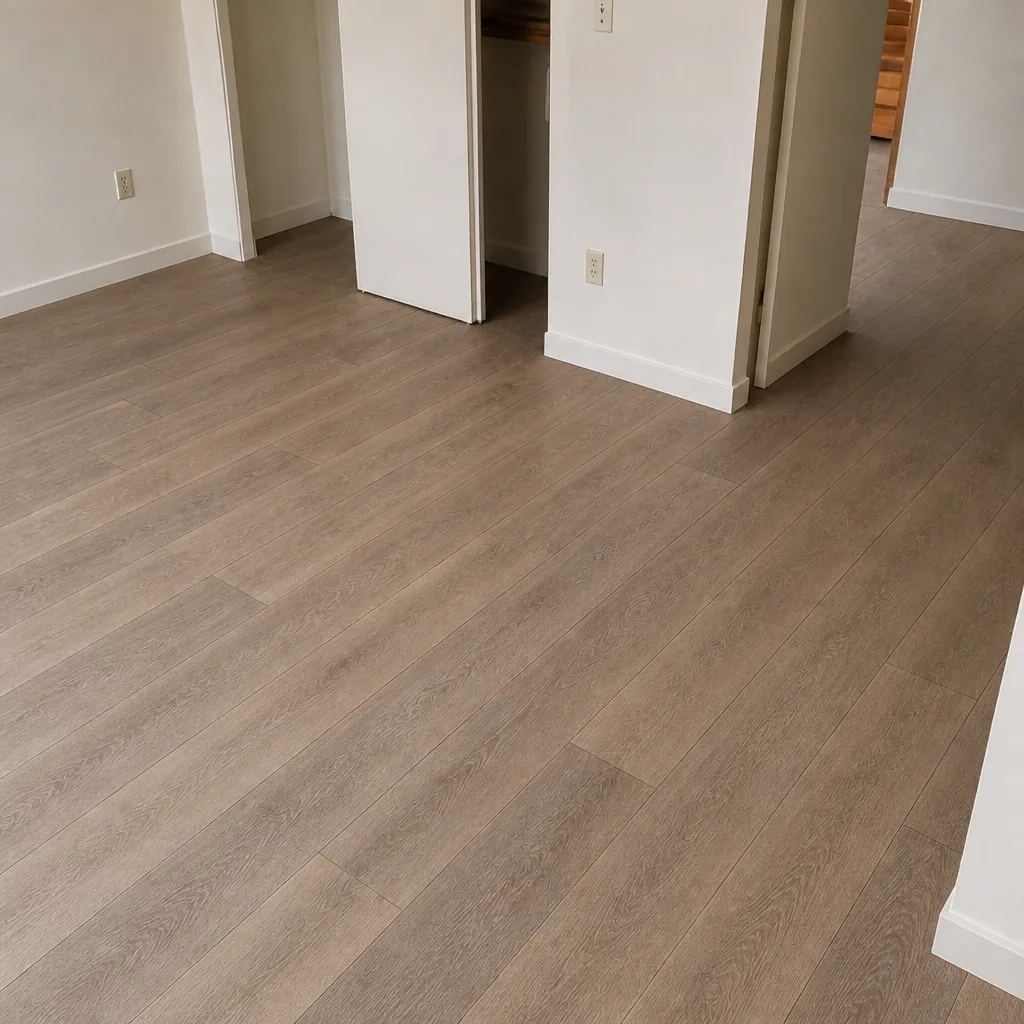
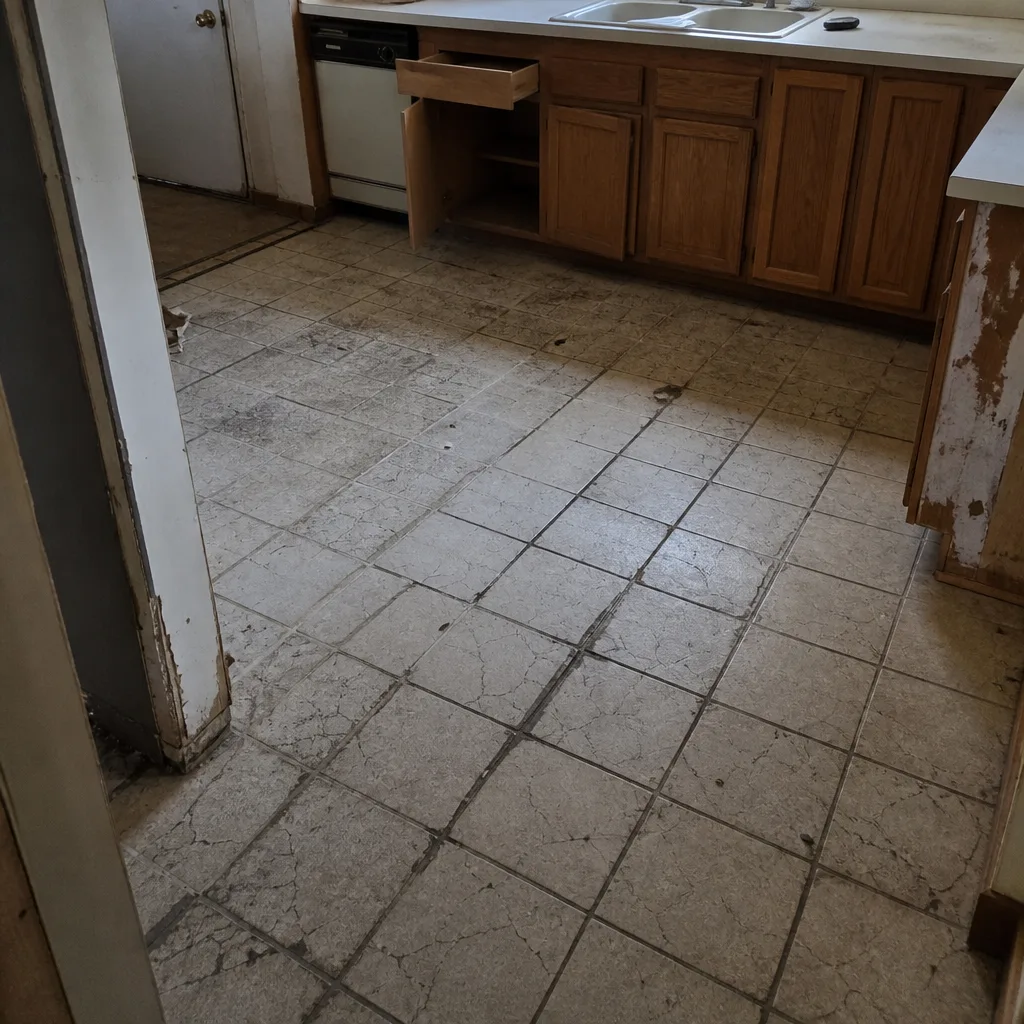
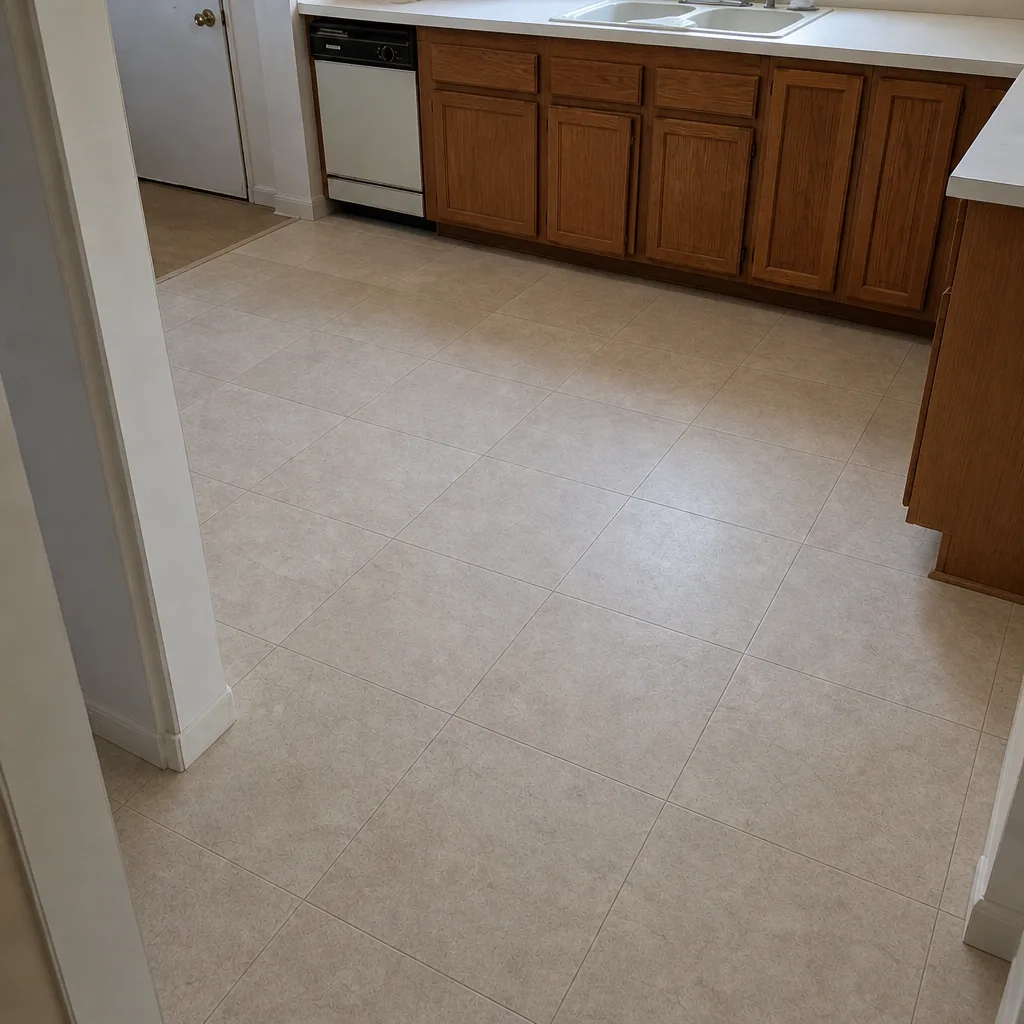
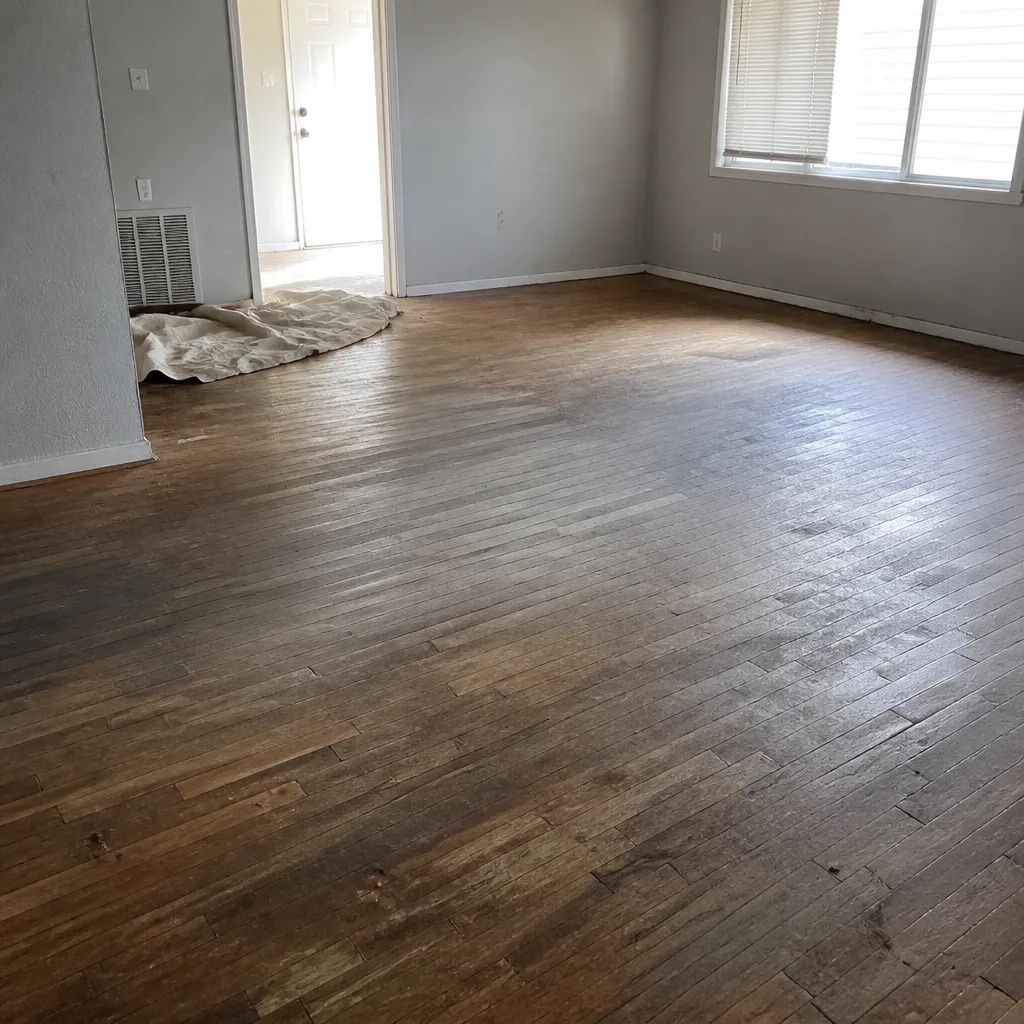
See the difference
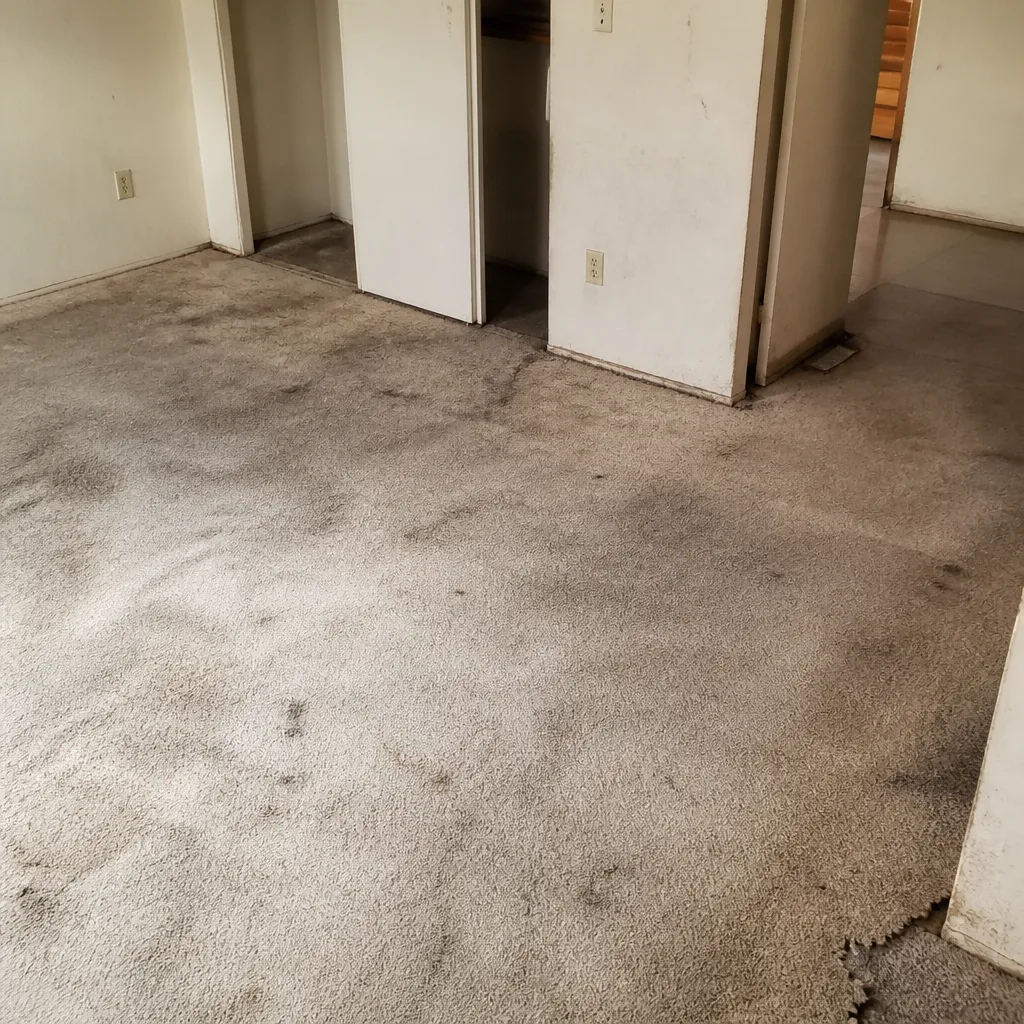 Before
 After
 Before
 After
 Before
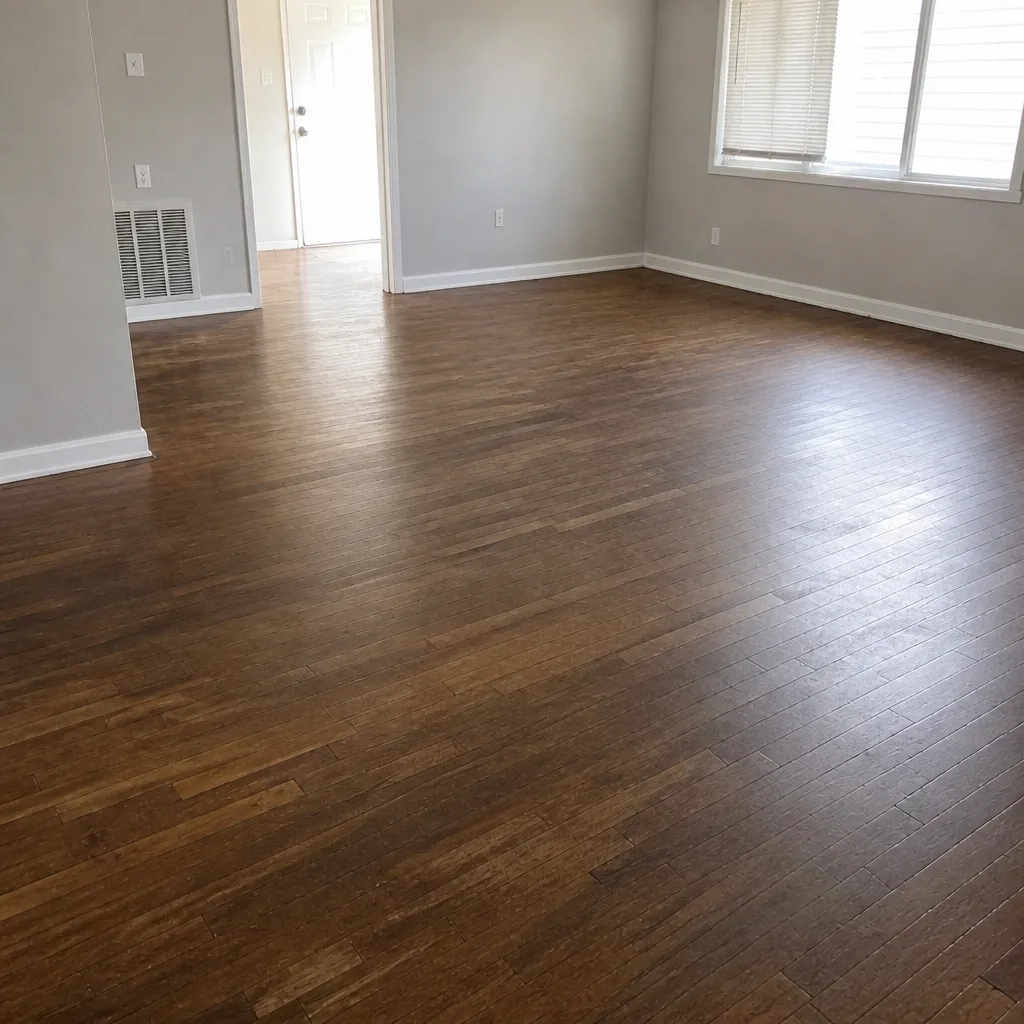 After
When to Call a Professional
Call a professional flooring specialist if you’re changing the surface under more than one room, if the existing floor has to come up, or if you’re uncertain how old the current flooring is. Routine lift-and-replace jobs on a level, modern floor are one thing; anything involving subfloor assessment, older tile or adhesive, HVAC transitions, or hardwood that might be refinishable instead of replaced is another. Those are judgment calls, and the cost of guessing is a floor that has to come up again. Flooring North Las Vegas offers free estimates in North Las Vegas – call (844) 761-9160. We install and service the floor the customer chooses, across carpet, tile, and hardwood refinishing, and we’ll tell you honestly which surface fits the room.
Frequently Asked Questions
Installed flooring in North Las Vegas typically ranges from about $3 to $5 per square foot for carpet up to $10 to $18 for solid hardwood, with luxury vinyl plank in the $5 to $9 band and tile around $8 to $14. Demo adds roughly $1 to $3 per square foot and subfloor repair adds $1 to $4 on top. Call (844) 761-9160 for an exact quote – estimates are free.
Usually, yes, for any home older than a couple of decades. Online calculators price material and labor per square foot but can’t see your old floor, your subfloor, your thresholds, or your room layout. They’re useful for a rough starting point and unreliable as a budget. Call (844) 761-9160. We answer 24/7. Fast dispatch from 7am to 7pm, Sunday through Friday – and an in-person estimate gets you the number that matters.
Ask at the estimate and it will be specified on the written price. Some jobs include moving and resetting furniture and some exclude it, and the answer changes how the crew sets up. Confirm it before the install day so there’s no surprise on either side.
Not always without checking. Homes of a certain vintage may have flooring under the surface that needs to be assessed by a qualified professional before demolition. Nobody should promise a tear-out without looking at it. Raise the age of the existing floor at the estimate and it will be handled correctly.
Refinishing is sanding and recoating an existing wood floor rather than replacing it, and it can extend the life of a solid hardwood floor instead of defaulting to replacement. Whether your floor can be refinished depends on the wood’s thickness and its current condition, checked at the estimate visit – no responsible contractor will promise it until they’ve seen it. Call (844) 761-9160 for a free estimate.
Ask for brands you can look up and compare on your own, like Pergo, LifeProof, Mannington, or Armstrong depending on the surface and the price tier. A flooring specialist should be able to match your room’s use to a product line from those brands and show you the tradeoff between quality tiers. Call (844) 761-9160 to talk through which fits your space and budget.
The schedule is set at the estimate, and the honest answer depends on the surface, the room count, and what’s underneath the existing floor. Install day is booked after the estimate and the written price, so you’ll have a target before any material is ordered. Call (844) 761-9160 for the free estimate first.
The Bottom Line
Your real flooring price is built in layers: material, underlayment, demo, subfloor prep, labor, and finishing. Skip any of those on your budget sheet and the written estimate will fill the gap. Compare bids on line items, not on a single per-square-foot number, and expect any older North Las Vegas home to need demo and some substrate work priced in from the start. The right floor is the one that fits the room’s use and your budget at the same time. Name brands you can research, a written quote that itemizes the job, and a specialist who only does flooring give you the best chance of getting there. Call (844) 761-9160 to schedule your free estimate. We answer 24/7. Fast dispatch from 7am to 7pm, Sunday through Friday.
Written by the team at Flooring North Las Vegas.