
Last updated November 18, 2026
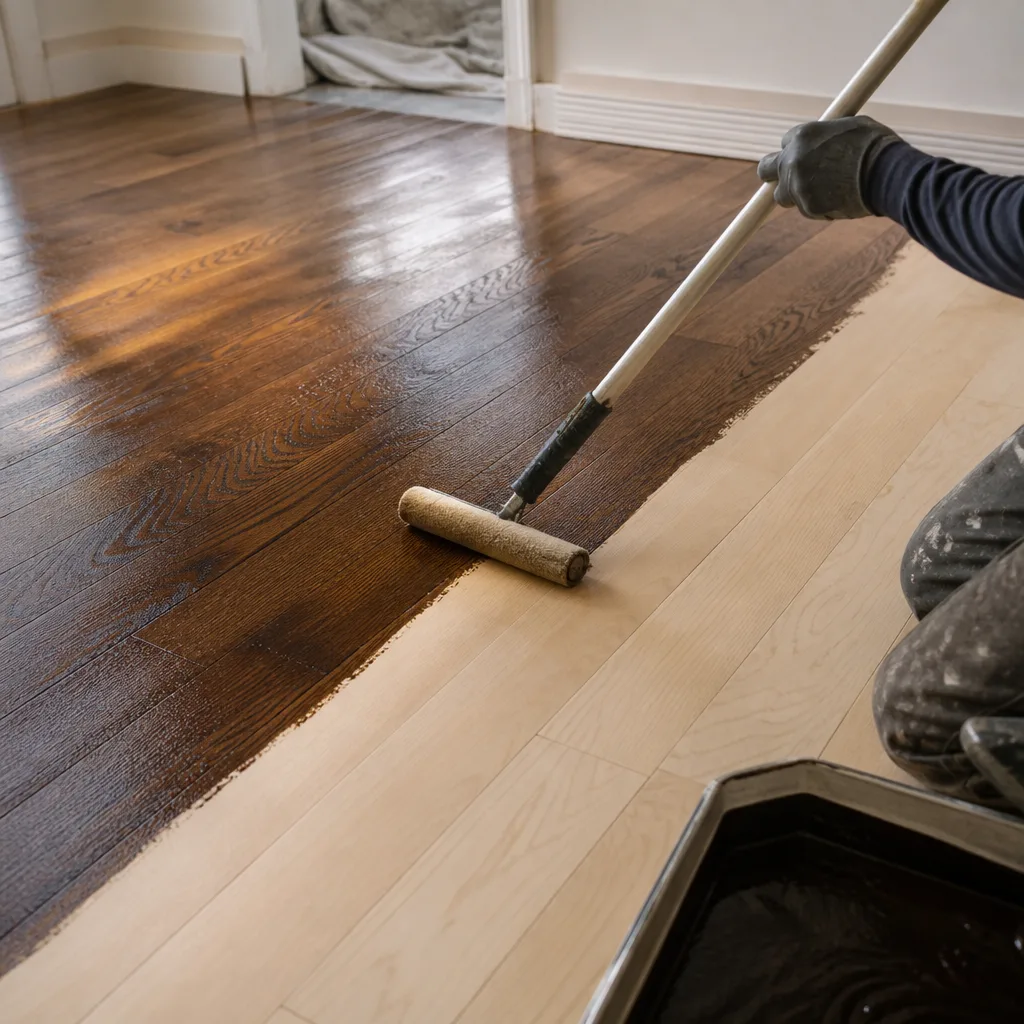
 Hardwood
 Engineered hardwood
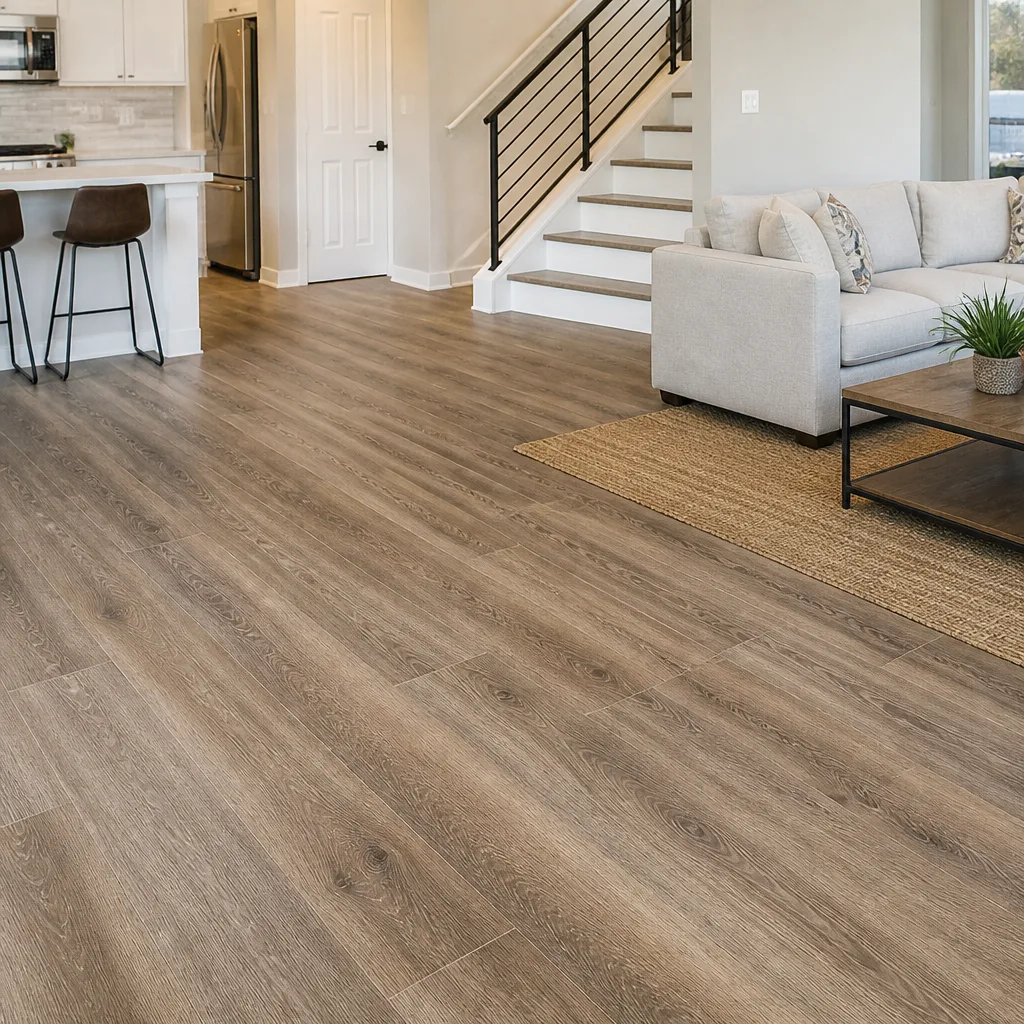 Luxury vinyl plank
 Laminate
 Porcelain tile
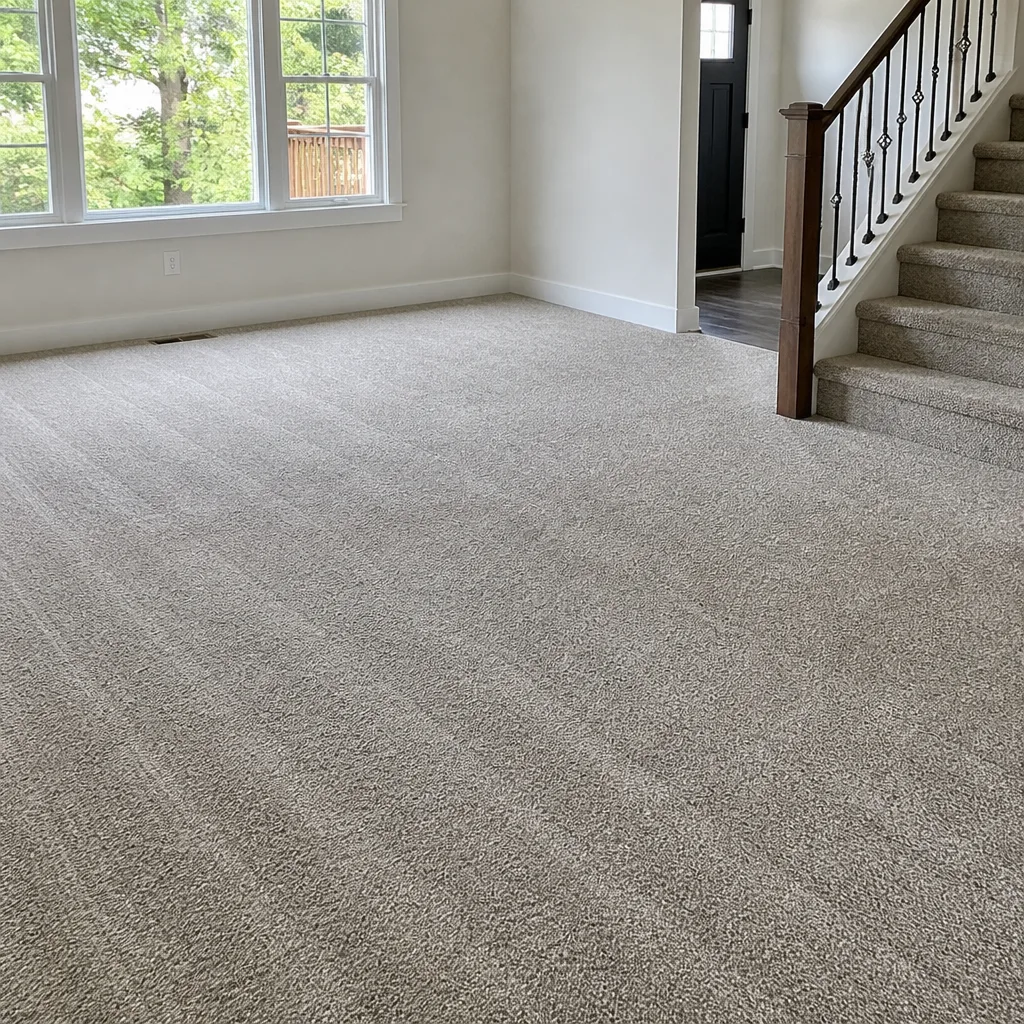 Carpet
 Shaw
 Mohawk
 COREtec
 Pergo
Free in-home measure and written estimate: Shaw, Mohawk, COREtec and Pergo lines compared on your own rooms, with carpet, tile, vinyl plank, laminate and hardwood laid out side by side
Get your free estimateFix It or Start Over: Flooring Repair vs Replacement
A $300 patch repair on a floor with an unchecked moisture problem doesn’t fix the floor. It hides the evidence until the problem is twice as expensive to address. That’s the part most homeowners never hear, because the conversation usually starts with the surface: the cracked tile, the curling seam, the dull finish on the hardwood. The surface is the last thing to fail, not the first. What decides whether a repair holds or a replacement is unavoidable sits underneath – in the subfloor, the moisture history, and the method used to install the floor in the first place. In this guide we’ll walk through the diagnostic checks a flooring specialist runs before recommending either path, how tile, hardwood, and carpet each fail differently, and what North Las Vegas homes specifically tend to run into.
Quick Answer
Repair is usually the right call when the damage is surface-level or isolated – a few cracked tiles over a sound mortar bed, a stretched carpet, a hardwood floor with enough thickness left to refinish. Replacement wins when moisture, subfloor movement, or a failed installation has compromised the structure underneath, because a repair on a bad base fails again. The honest answer depends on what’s under the floor, not what you can see on top of it.
Styles & brands we work with
- Hardwood
- Engineered hardwood
- Luxury vinyl plank
- Laminate
- Porcelain tile
- Carpet
- Shaw
- Mohawk
- COREtec
- Pergo
Table of Contents
- The Diagnostic Checklist: What’s Under the Floor Decides Everything
- Tile Repair vs Replacement: When a Crack Means More Than a Crack
- The Hardwood Refinishing Math: How Many Sands Are Left?
- Carpet Repair: The Option That Gets Undersold
- Slab Cracks and Soil Settlement in North Las Vegas
- A Step-by-Step Decision Framework
- How Repair and Replacement Compare on Cost
- Common Mistakes to Avoid
The Diagnostic Checklist: What’s Under the Floor Decides Everything
Before anyone recommends repair or replacement, a flooring professional runs a set of checks that have nothing to do with the visible surface. These checks tell you whether the floor you’re standing on has a stable base or a problem waiting to resurface. Skip them, and you’re guessing.
Here’s the sequence we run, in order:
- Deflection check. We walk the floor and watch for bounce, flex, or squeaks that shift location. A floor that moves underfoot means the joist structure or subfloor panels aren’t rigid enough. Any new floor laid over that movement will crack, cup, or separate.
- Moisture readings. A meter goes to the subfloor, not the finish floor. Elevated moisture under a slab or in a wood subfloor is the single most common reason a repair fails. North Las Vegas is dry, but slab moisture from irrigation, plumbing leaks, and graded soil still shows up.
- Fastener pull-through. We check whether nails or screws have pulled through the subfloor panels. Pull-through means the panels are moving, which points to a fastener or subfloor problem, not a flooring problem.
- Flatness and levelness. We check for dips, humps, and low spots. A floor that isn’t flat will telegraph through tile and cause gaps in plank and hardwood joints.
- Installation method review. How was the current floor fastened or glued down? Glue-down over a compromised slab behaves very differently from a floating floor, and it changes what’s repairable.
Only after these checks do we look at the finish floor. When you call for a flooring North Las Vegas assessment, this is the work that determines whether a repair is money well spent. Our technicians have up to 8 years of experience reading these signals, and the interpretation matters as much as the readings.
Tile Repair vs Replacement: When a Crack Means More Than a Crack
Not all cracked tile is the same problem. A single hairline crack from an impact – a dropped tool, a heavy pot – is a surface issue. Cracked grout running in a straight line, or tiles that sound hollow when tapped, point to something structural underneath, and piecemeal repair on those is usually wasted money.
Here’s how to tell them apart:
- Isolated impact crack: one tile, clean break, surrounding grout intact. Replacing that tile is a legitimate repair if you have matching tile on hand.
- Hollow-sounding tiles: tap the tile with a coin or knuckle. A dull, hollow sound means the tile has separated from the mortar. Scattered hollow tiles are a sign the mortar bed or thinset bond has failed over an area, not a single spot.
- Cracked grout in a pattern: grout cracking along a straight line, especially at a change in the subfloor or where two rooms meet, means movement underneath. Re-grouting that without addressing the movement just cracks again.
- Tenting or lifting tiles: tiles that lift at the edges or rock underfoot mean the bond has failed. That’s a re-set or replacement, not a spot repair.
When the mortar bed has failed, patching individual tiles is the wrong answer. The new tile bonds to the same compromised bed and fails on the same schedule. This is where professional tile flooring installation earns its keep – a proper install fixes the base first. Daltile is the brand we source for tile projects, the same tile architects and commercial contractors specify, which matters when you’re trying to match existing tile in a repair.
The Hardwood Refinishing Math: How Many Sands Are Left?
Hardwood is the one flooring category where repair and restoration genuinely compete with replacement, because refinishing can extend a floor’s life decades. The catch is that sanding removes a thin layer of wood each time, and a floor only has so much to give. Refinishing works when there’s enough wear layer left above the tongue and groove.
The math is product-specific, which is why we check rather than guess. Solid hardwood has more sanding life than engineered hardwood, where the wear layer is thinner by construction. A floor that’s already been refinished two or three times may have very little left to sand before you hit the tongue. Sand through that and the floor is ruined – a replacement, not a repair.
Here’s what a professional checks at the estimate visit:
- Wear layer thickness. How much solid wood sits above the tongue? Thin wear layers mean fewer refinished passes are possible.
- Evidence of prior refinishing. Uneven color at the edges, visible sanding marks, or a mill stamp that’s been sanded off can signal the floor has already been refinished.
- Condition of the surface. Deep gouges, pet damage, or water staining may be too deep to sand out without taking off more than the floor can lose.
- Cupping and crowning. Boards that have cupped from moisture may need to be sanded flat, removing extra thickness. That affects the sand count.
Some floors can be refinished on a scheduled basis for years. Others have one pass left, or none. We install and service the floor you choose – if you’re leaning toward carpet installation in a bedroom instead, we cover that too – but we’ll tell you honestly when a refinish is worth it and when the wood is too far gone. Shaw and Mohawk are the hardwood and soft-surface brands we work with most often for homes in North Las Vegas. Refinishing is a distinct skill set from installation, and it’s not one every shop offers.
Carpet Repair: The Option That Gets Undersold
Carpet repair is a legitimate, often overlooked option that extends the life of a floor by years – and it’s frequently skipped because retailers have inventory to move. A carpet that’s wrinkled, has a lifted seam, or has a small damaged area doesn’t automatically need replacing. Re-stretching, seam repair, and patching are real repairs when the carpet has life left.
Here’s when each repair makes sense:
- Re-stretching. Carpet that has loosened and wrinkled – usually from humidity swings or from a stretch job that wasn’t tight enough to begin with – can be re-stretched and power-seamed. This is often a fraction of replacement cost and restores the floor’s feel.
- Seam repair. A lifted or frayed seam can be re-seamed. If the carpet has a matching remnant, the repair blends in. If not, a seam repair done well still beats replacement in a room you’re not ready to redo.
- Patch work. A small damaged area – a burn, a stain that won’t lift, a pet spot – can be patched from a closet or leftover remnant. Patch repairs are a good candidate when the carpet is otherwise sound and the patch is in a low-traffic spot.
When the carpet pad is compromised, the backing is delaminating, or the carpet has reached the end of its life, repair just delays the inevitable. But when the carpet is otherwise healthy, a repair can add years. Carpet is one of the three categories we cover – the others being tile and hardwood – under one contractor relationship. If you’re comparing repair to a fresh install, we can walk through both paths and quote each honestly.
Slab Cracks and Soil Settlement in North Las Vegas
North Las Vegas homes sit on expansive clay soils that shrink and swell with moisture cycles. That movement shows up in foundation slabs as cracks, and cracks are the most common thing homeowners see before a new floor goes down. Some slab cracks are cosmetic and some are structural, and telling them apart before any new flooring is installed matters.
Here’s the general pattern:
- Hairline cracks with no displacement. Thin cracks that haven’t shifted on either side are usually the normal result of concrete curing. They don’t usually require structural attention before flooring.
- Cracks with vertical displacement. If one side of the crack sits higher or lower than the other, the slab has moved. This is where an engineer or structural specialist should look before a flooring investment goes down.
- Wide or widening cracks. A crack that’s visibly wider than a hairline, or one that’s grown since you last noticed, deserves a professional assessment before flooring.
- Cracks following a pattern. Cracks that form a map pattern, run along the perimeter, or appear at the corners of a room are worth a closer look.
We’re not structural engineers, and we don’t pretend to be. What we do is flag what we see at the estimate visit and tell you when a crack pattern needs an engineer’s eyes before any new floor goes down. Laying a new floor over a moving slab without addressing it buys a call-back, not a fix. In North Las Vegas, the combination of dry air and periodic irrigation cycles keeps that soil moving, which is why the subfloor check comes before the surface conversation. When you’re ready to talk through your options, our North Las Vegas team can walk the floor with you.
A Step-by-Step Decision Framework
If you want a repeatable way to think through repair vs replacement, use this sequence. It works for tile, hardwood, and carpet.
- Is the problem on the surface or in the base? Surface damage is repairable. Base problems – movement, moisture, failed bond – require a fix at the base before the surface matters.
- Is the damage isolated or part of a pattern? One tile or one seam is a repair. Repeating cracks, hollow tiles, or a re-emerging seam means the pattern, not the spot, is the problem.
- Does the material have life left? Hardwood needs enough wear layer to sand. Carpet needs a sound backing and pad. Tile needs a sound mortar bed. If the material is past its limits, repair won’t hold.
- What does the moisture history look like? If there’s been a leak, a flood, or repeated moisture exposure, assume the subfloor needs checking before anything else.
- What’s the cost of a repair that fails? A repair that fails in a year costs more than the replacement would have. Factor in that risk, not just the repair quote.
Walking through these five questions usually clarifies the answer in ten minutes. When it doesn’t, an in-person look settles it.
How Repair and Replacement Compare on Cost
Repair is generally cheaper on the front end, but the comparison isn’t apples to apples. A repair that buys you two years of life and then fails costs more than a replacement that lasts. Here’s the honest shape of it, without invented numbers – actual costs depend on your floor, the scope, and the product you choose, and the written estimate sets the final price.
- Tile repair: Lower cost when the mortar bed is sound and only a few tiles need replacing. Cost climbs toward replacement when the bed has failed and multiple tiles are affected, because repair involves re-setting and possibly re-bedding.
- Hardwood refinishing: Often meaningfully less than replacement when there’s enough wear layer left. If the wood is too thin to sand, refinishing isn’t an option and replacement is the only path.
- Carpet repair: Re-stretching and seam repair are typically small line items compared with a full carpet install. Patch work sits in between, depending on how much area needs patching and whether a matching remnant exists.
- Replacement: The full cost of material, labor, removal and disposal of the old floor, and any subfloor prep needed. Subfloor prep is the variable that surprises homeowners, which is why the diagnostic check matters before you commit to a number.
We quote both paths when both are viable, so you can see the trade-off in writing. The estimate is free, and it’s per job – no invented per-square-foot figures, no mysterious add-ons. If you want to compare repair and replacement for your floor, the written estimate is the honest starting point. Call (844) 761-9160. We answer 24/7. Fast dispatch from 7am to 7pm, Sunday through Friday.
Common Mistakes to Avoid
- Skipping the subfloor check. Repairing the surface over a moving or damp subfloor buys a call-back. The base decides whether the repair lasts.
- Assuming all cracks mean the same thing. An impact crack and a hollow-tile pattern are different problems. Treating a pattern like a spot is how repairs fail in a year.
- Re-grouting over movement. If crack lines follow a straight pattern, the movement underneath has to be addressed first. Fresh grout over a moving floor cracks again.
- Refinishing hardwood without checking wear layer thickness. Sanding through the tongue ruins the floor permanently. The thickness check comes before the sander.
- Replacing carpet when re-stretching would do. Wrinkled carpet with a healthy pad and backing is a repair candidate, not an automatic replacement. Ask before you assume.
- Laying new flooring over an unaddressed slab crack. If the crack has displacement or a pattern, get an engineer’s opinion first. New flooring over a moving slab is money lost, not money spent.
- Choosing by square-foot price alone. The cheapest material quote can hide subfloor prep and removal costs. Compare the full written scope, not the headline number.
See the difference
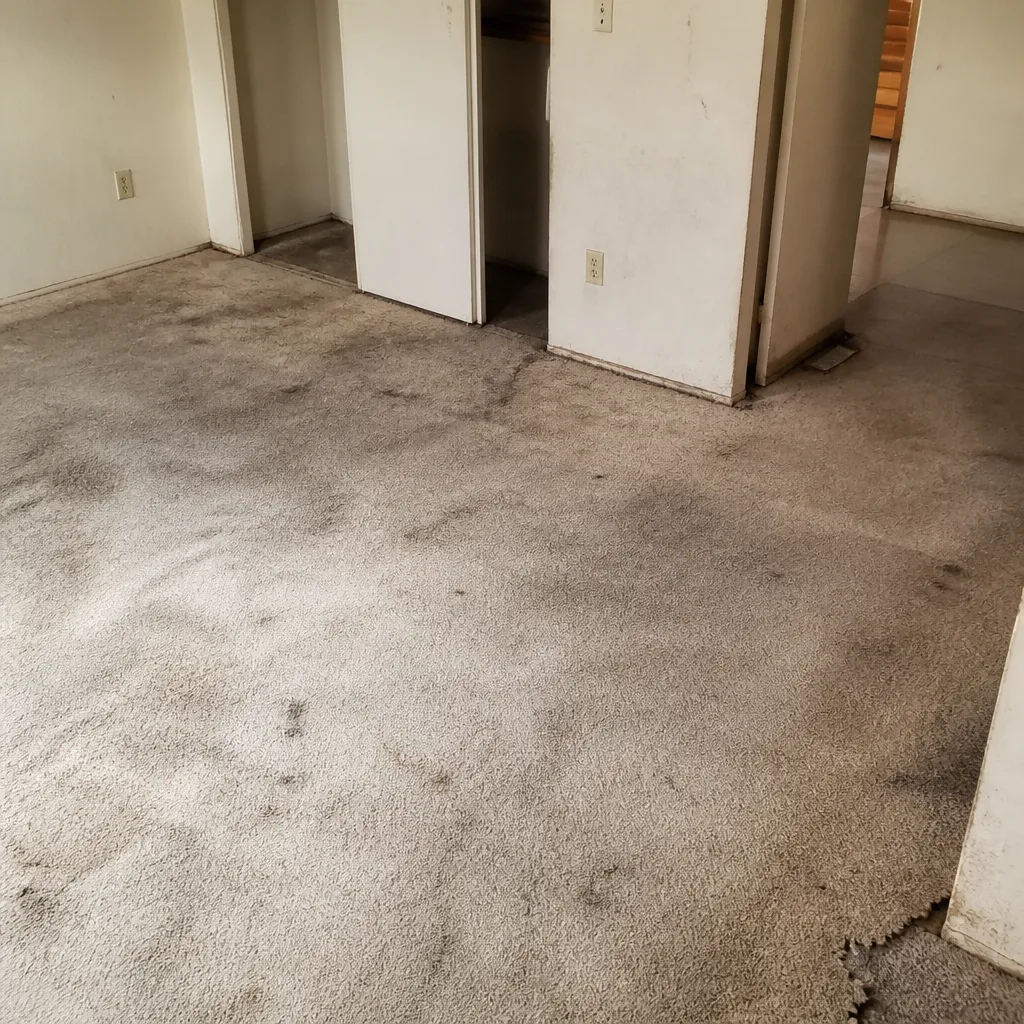 Before
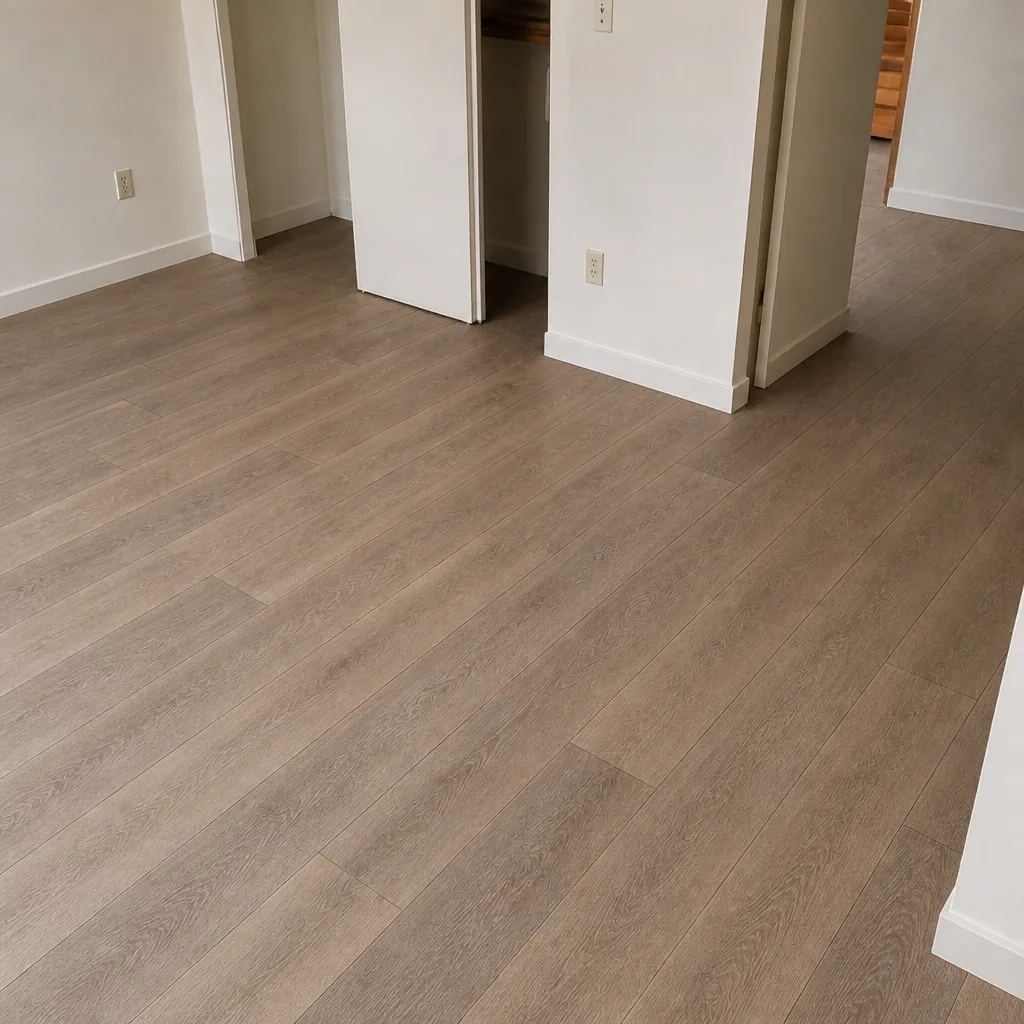 After
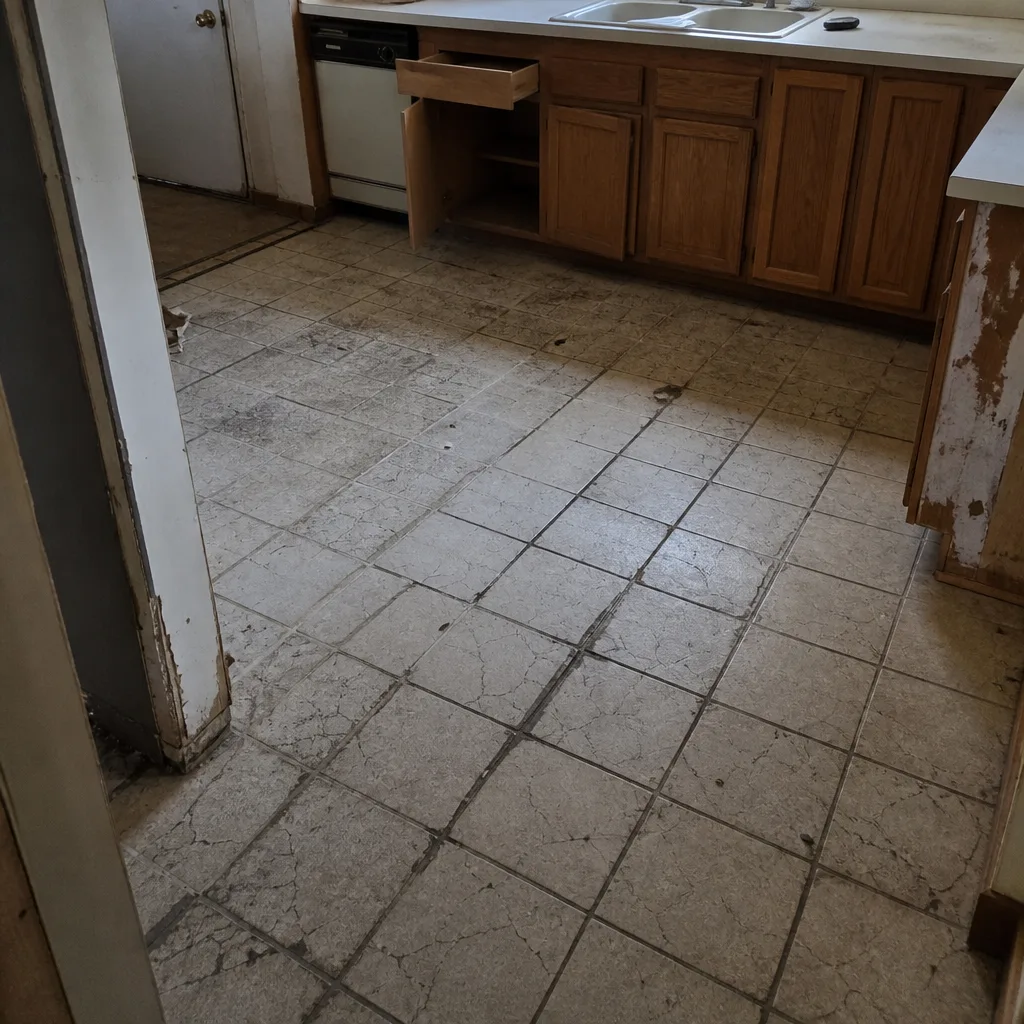 Before
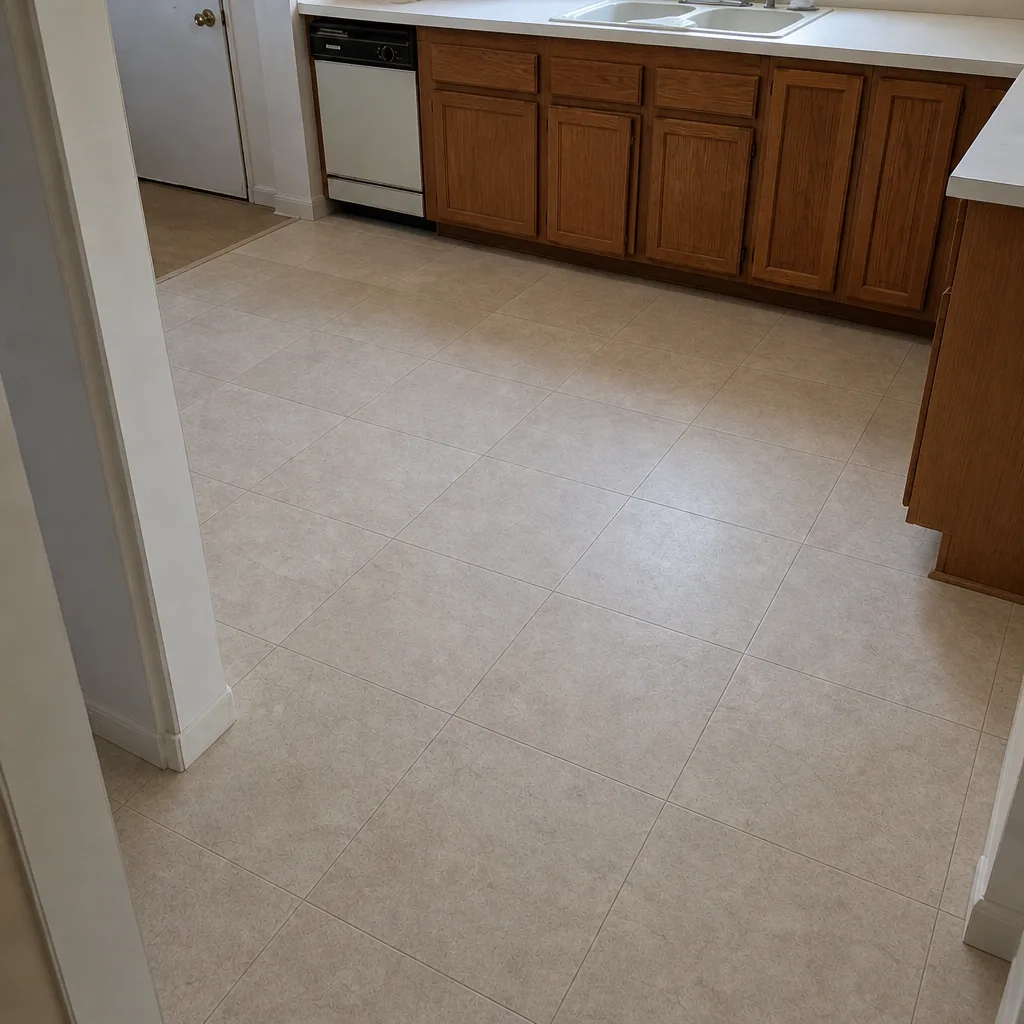 After
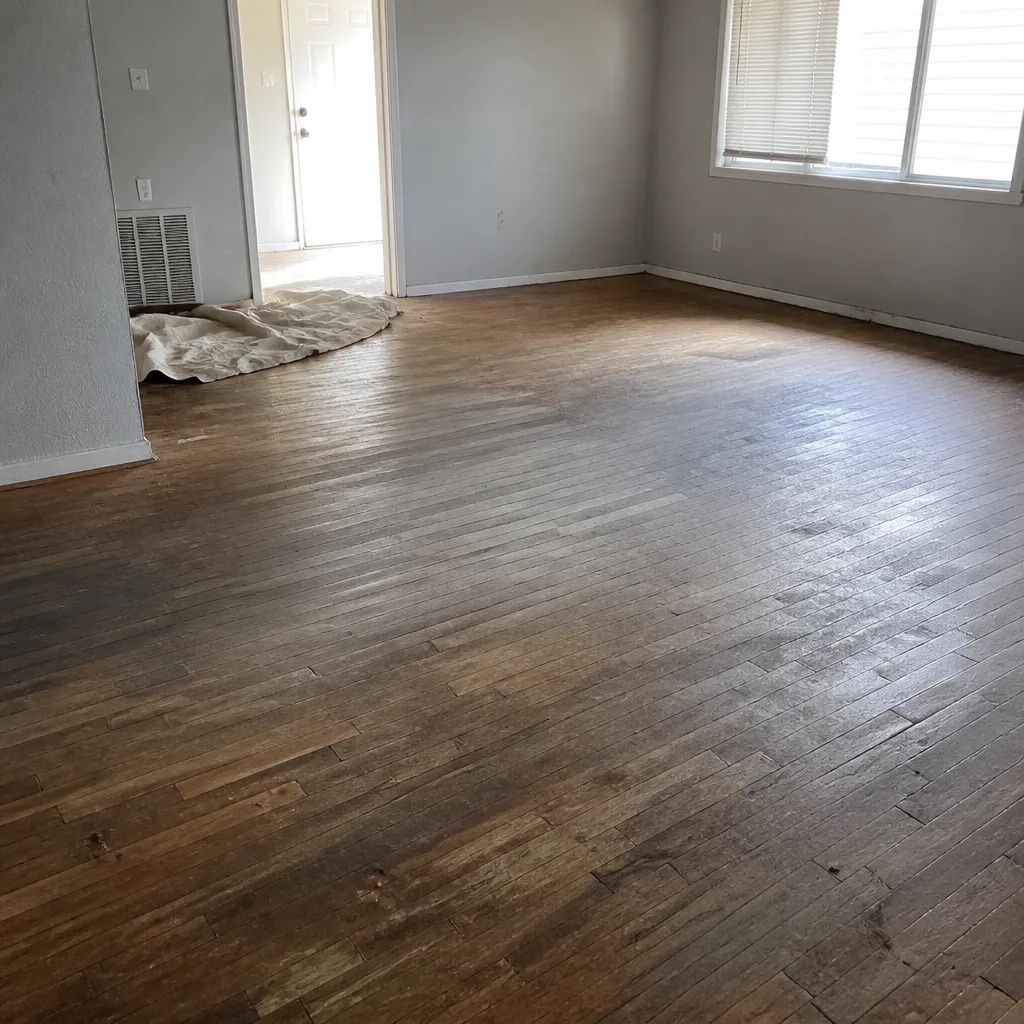 Before
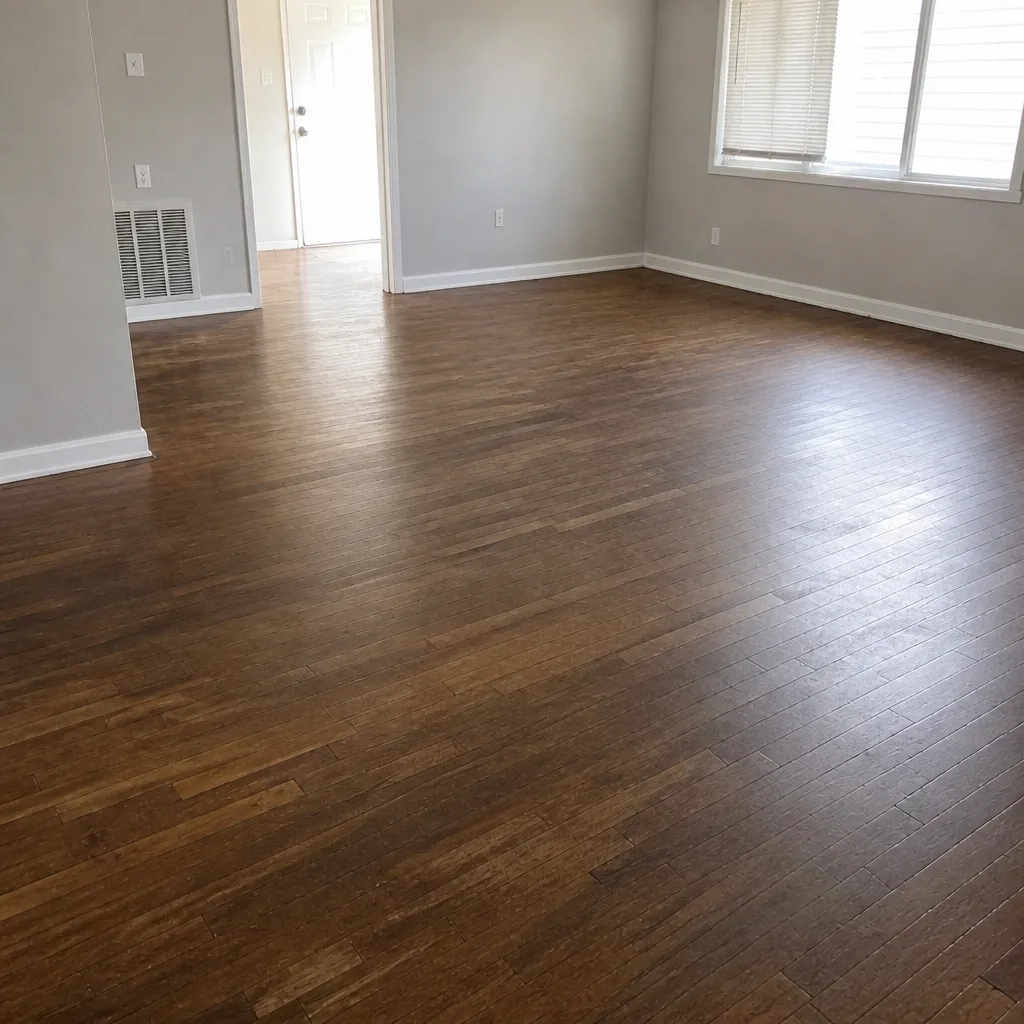 After
When to Call a Professional
Call a professional when any of these are true: the damage is following a pattern rather than sitting in one spot, the floor moves underfoot, you’ve had a leak or moisture event near the floor, tiles sound hollow, the hardwood has been refinished before and you’re not sure how much sanding life remains, or you see a slab crack with displacement. Also call if you’re comparing repair and replacement and can’t tell which is worth it – the diagnostic checks settle that question quickly. Flooring North Las Vegas offers free estimates in North Las Vegas. Call (844) 761-9160. We answer 24/7. Fast dispatch from 7am to 7pm, Sunday through Friday.
Frequently Asked Questions
Repair is right when one or two tiles have impact damage and the surrounding tiles are sound. Replace or re-set when tiles sound hollow, grout cracks in a straight line, or tiles tent at the edges – that means the mortar bed has failed. Call (844) 761-9160 for an exact quote – estimates are free.
It depends on how much wear layer sits above the tongue and whether the floor has been refinished before. Solid hardwood often has more sanding life than engineered wood, but the thickness has to be checked at the estimate visit. We check before we quote a refinish, because sanding through the tongue ruins the floor. Call (844) 761-9160 to schedule a free estimate.
Carpet repair is worth it when the carpet is otherwise sound – re-stretching and seam repair can extend life by years. Replacement is the better call when the pad is compromised, the backing is delaminating, or the carpet is past its life. Call (844) 761-9160 and we’ll walk both paths and quote each in writing.
Hairline cracks with no displacement are usually fine. Cracks with vertical displacement, wide or widening cracks, or a map pattern need a structural assessment before any new floor goes down. North Las Vegas clay soils move with moisture cycles, so the slab check belongs before the surface decision. Call (844) 761-9160 to schedule a free estimate and we’ll flag what we see.
The schedule is set at the estimate. The free in-home measure and estimate come first, then a written price, then a booked install day. Repair scope varies by how much of the floor is affected and whether subfloor prep is needed, so the written estimate sets both the timeline and the final price. Call (844) 761-9160 to start with the estimate.
Yes. The in-home estimate is free, the written quote is free, and there’s no obligation. It’s the honest way to compare repair and replacement without guessing. Call (844) 761-9160. We answer 24/7. Fast dispatch from 7am to 7pm, Sunday through Friday.
The Bottom Line
The repair-vs-replace decision is a base question, not a surface question. Check the subfloor for deflection, moisture, and fastener pull-through. Examine tile for hollow sounds and patterned cracking. Confirm hardwood has wear layer left to sand before you plan a refinish. Treat carpet repair as a real option before you assume replacement. And look at slab cracks in a North Las Vegas home carefully before any new floor goes down. When you’re ready to compare paths on your floor, the in-home estimate is free and the written quote sets the price. Call (844) 761-9160. We answer 24/7. Fast dispatch from 7am to 7pm, Sunday through Friday.
Written by the team at Flooring North Las Vegas.