
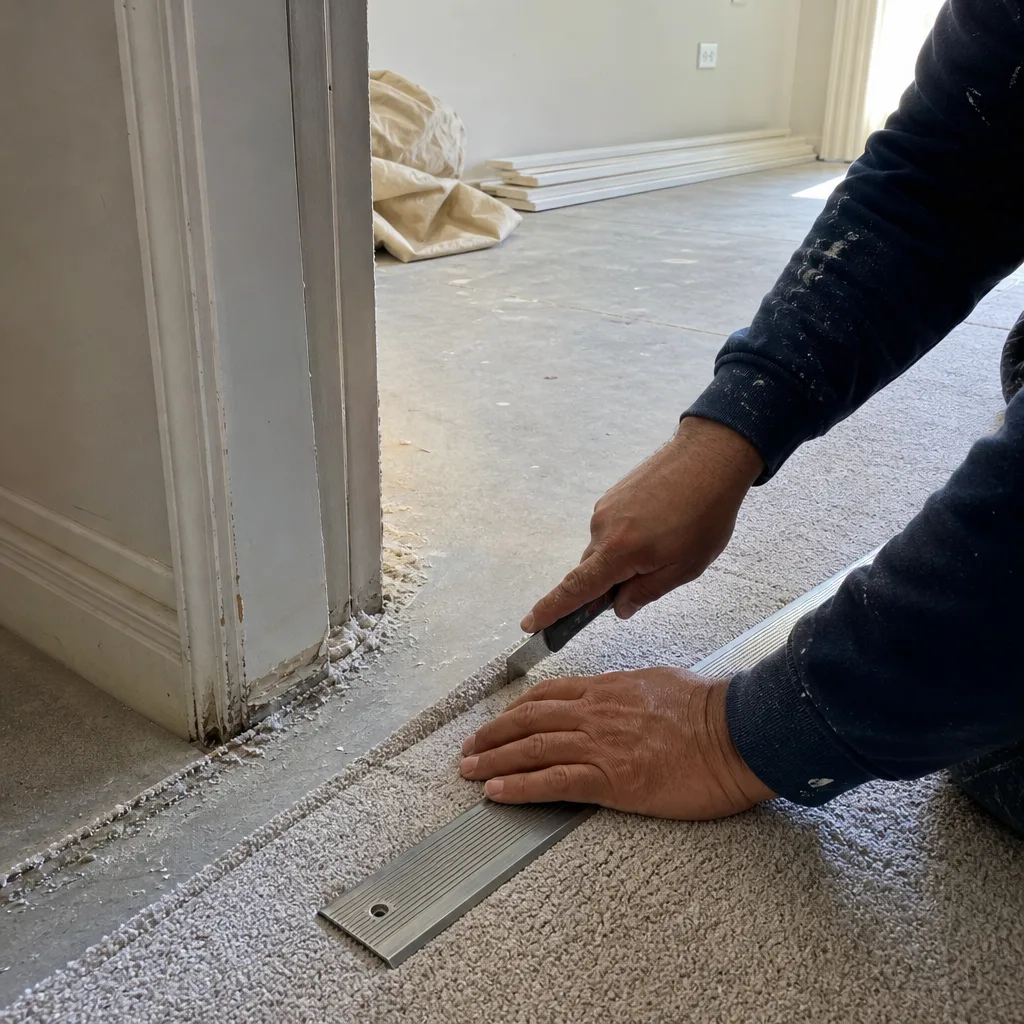
Last updated November 18, 2026
 Hardwood
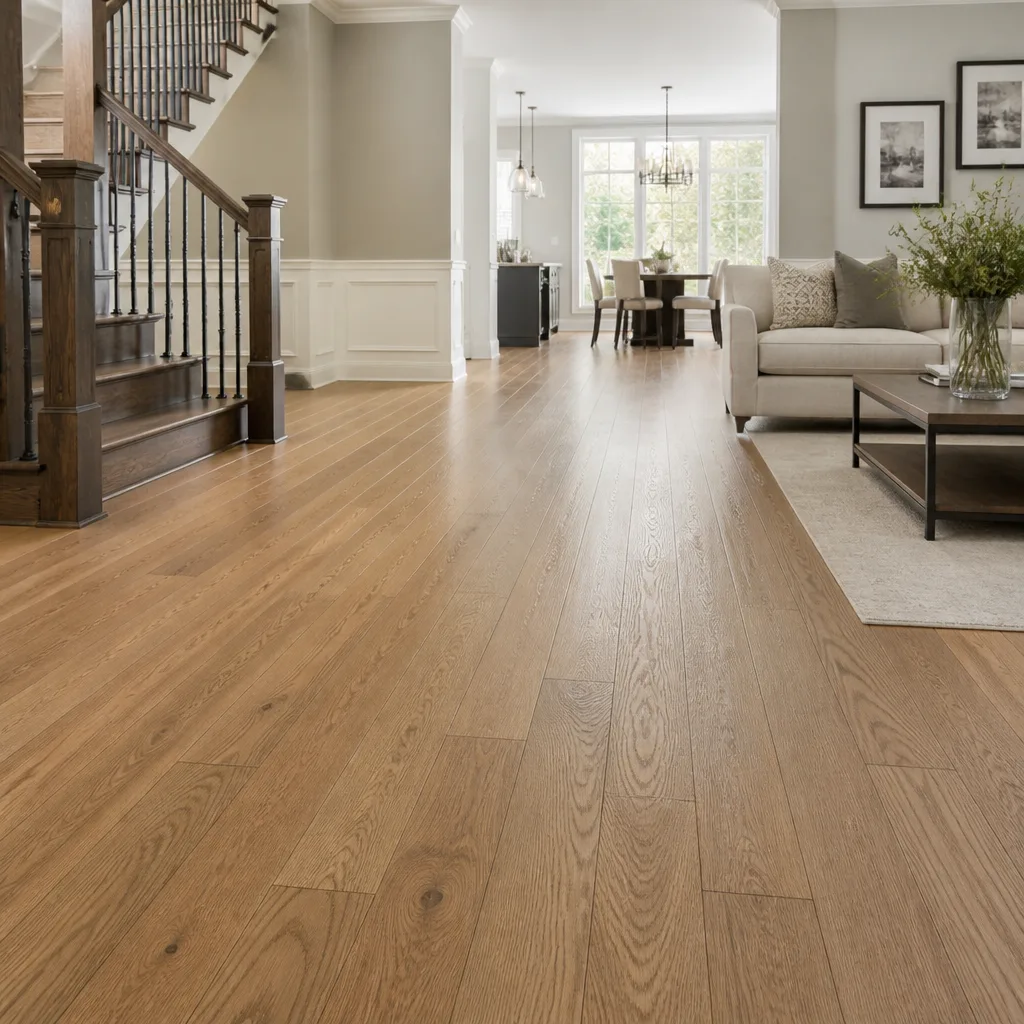 Engineered hardwood
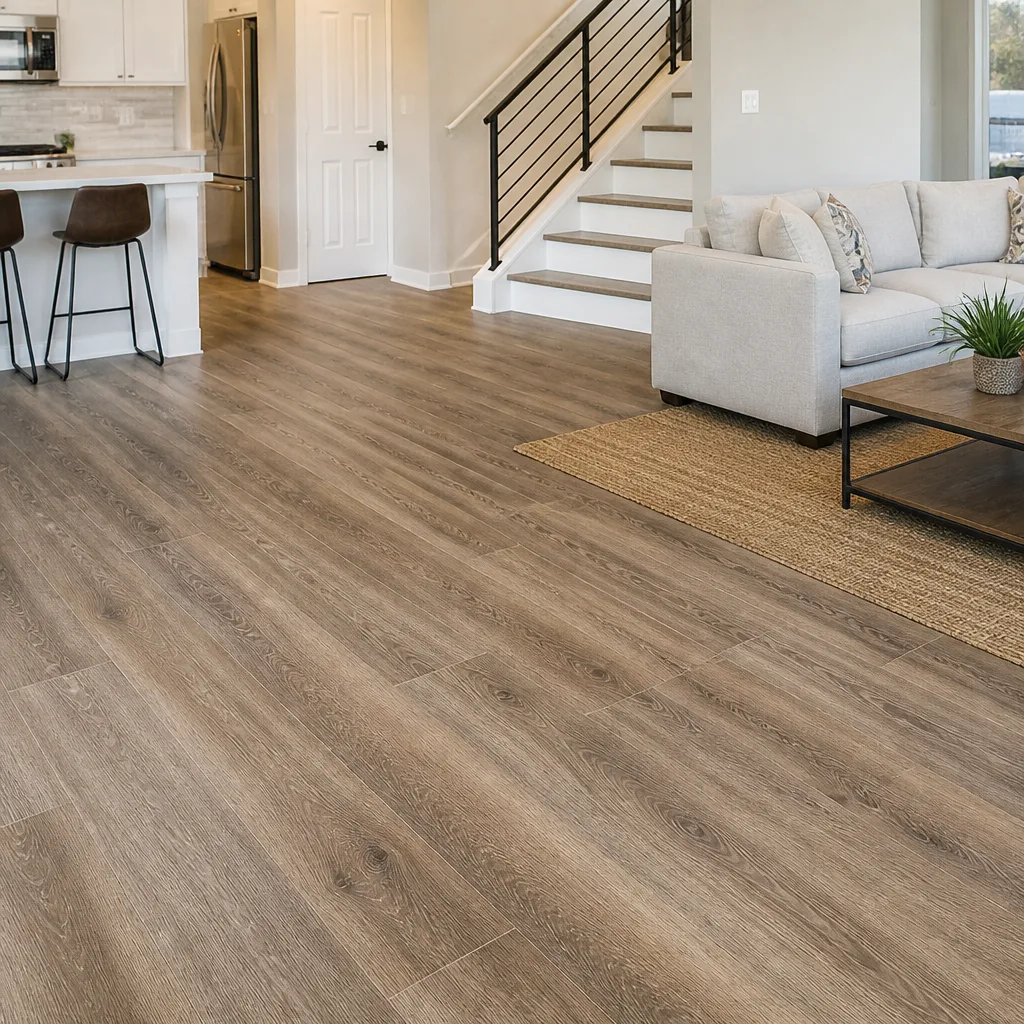 Luxury vinyl plank
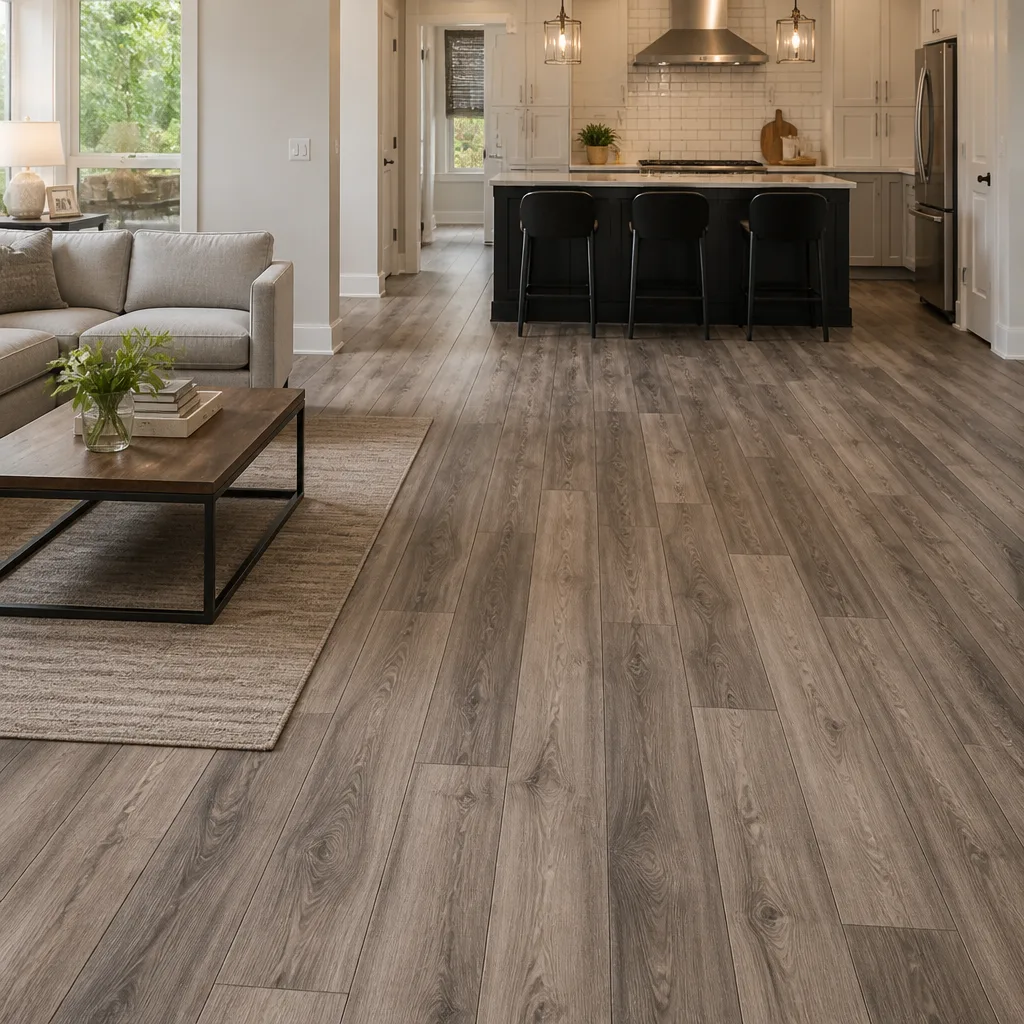 Laminate
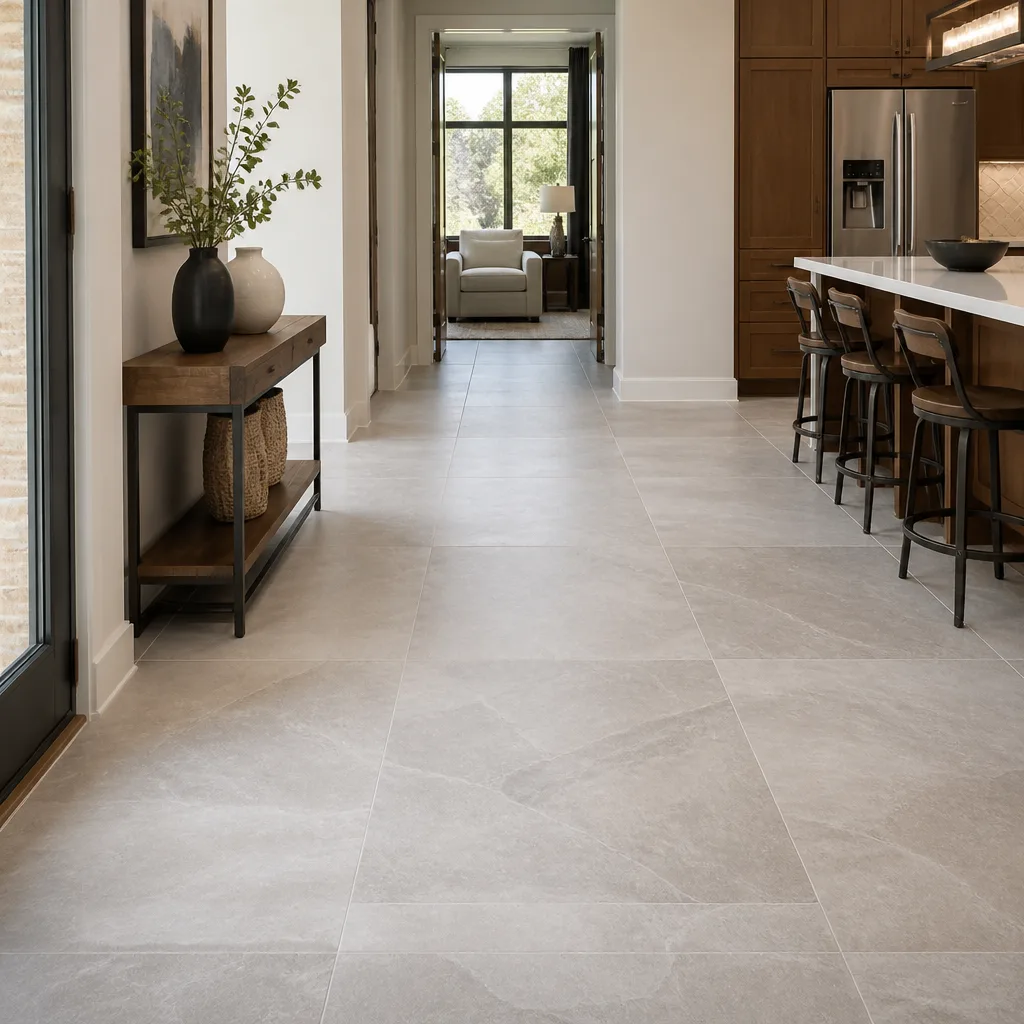 Porcelain tile
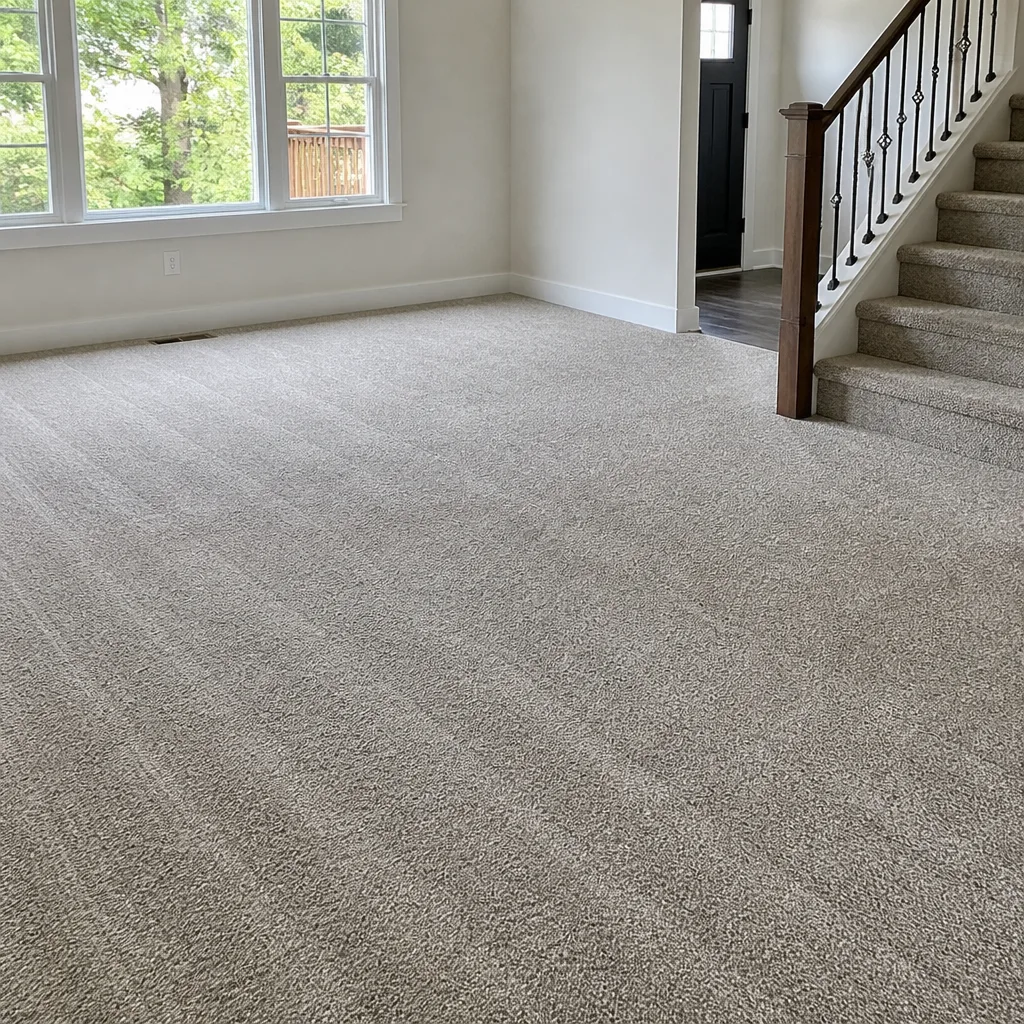 Carpet
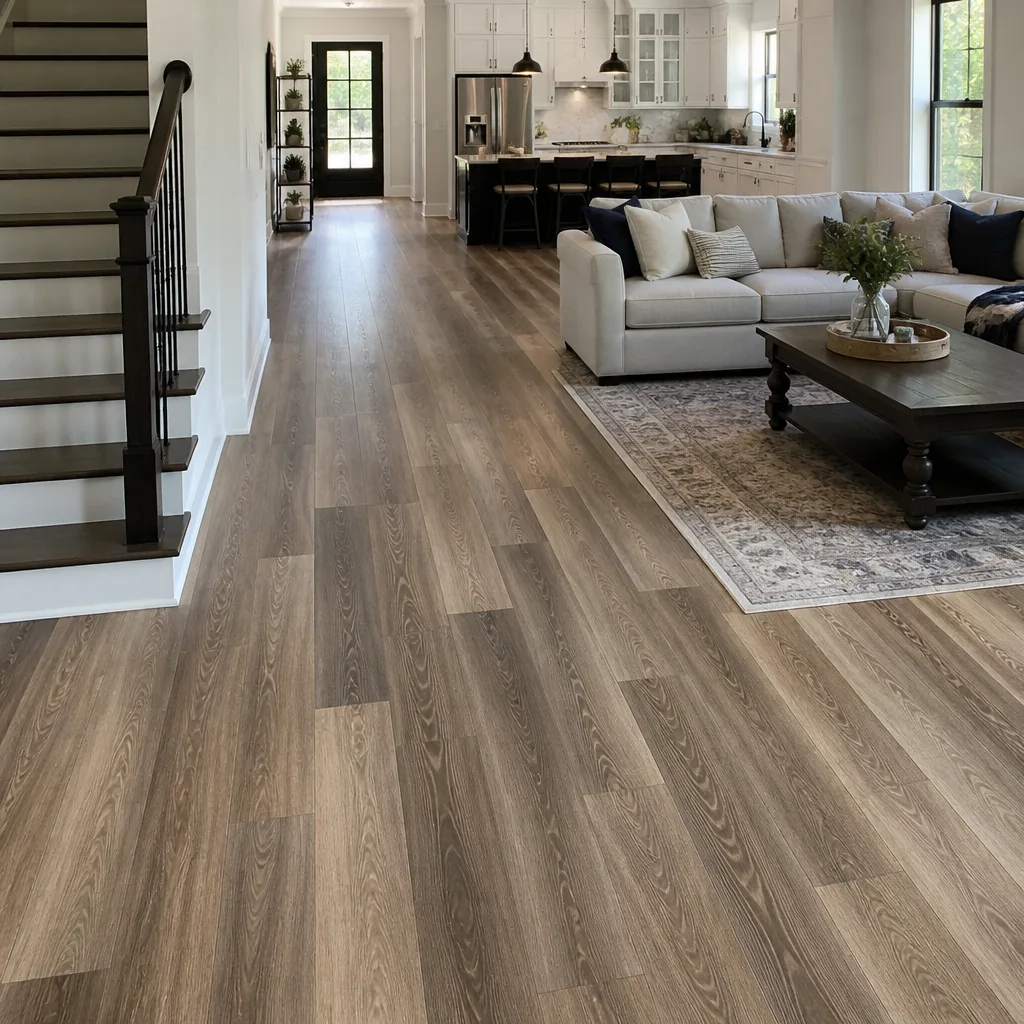 Shaw
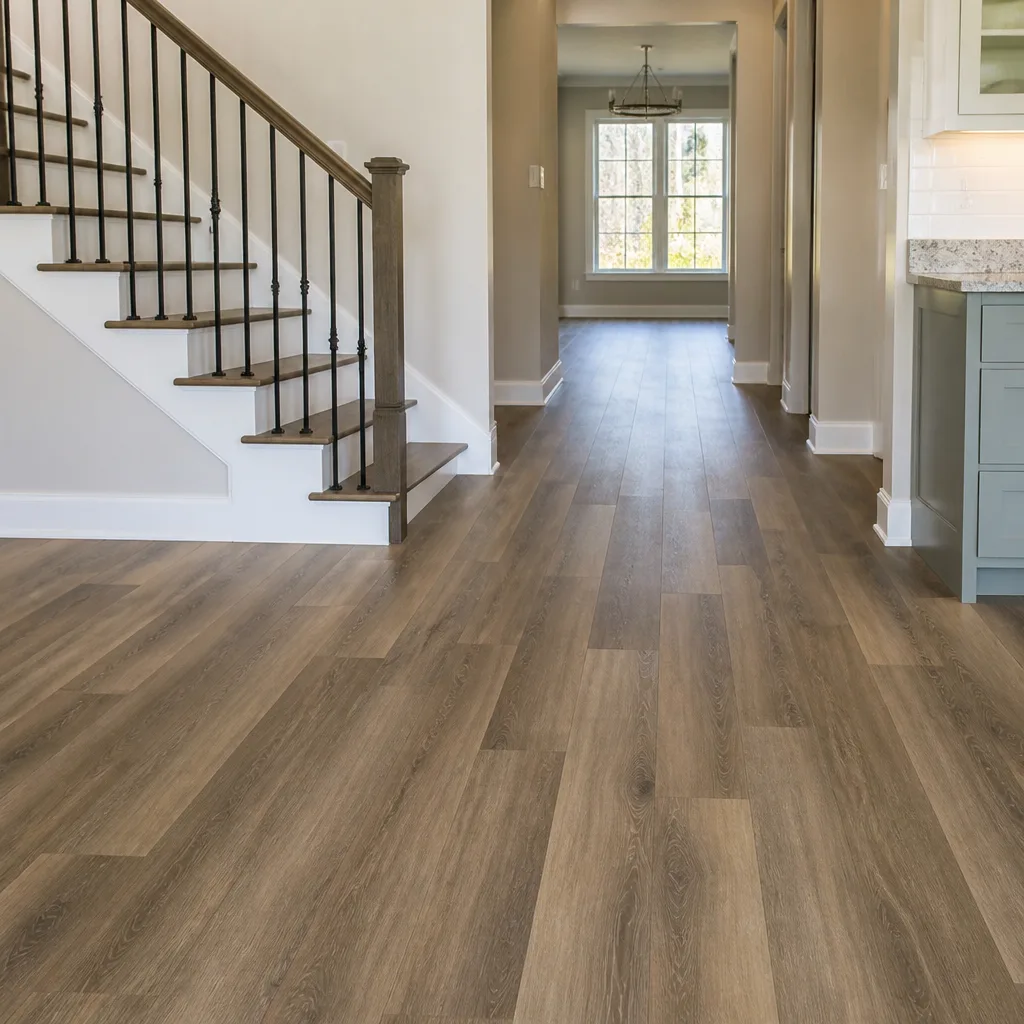 Mohawk
 COREtec
 Pergo
Free in-home measure and written estimate: Shaw, Mohawk, COREtec and Pergo lines compared on your own rooms, with carpet, tile, vinyl plank, laminate and hardwood laid out side by side
Get your free estimateHow to Care for New Flooring: Hardwood, Vinyl, Laminate, Tile and Carpet
The most common way North Las Vegas homeowners damage new flooring isn’t heavy traffic or a dropped pan. It’s a steam mop or a water-heavy cleaner that looked safe on the label but was never designed for a room sitting at 10-15% humidity. Desert homes are brutal on floors in ways the standard care card ignores: alkaline water, summer interior heat, and fine silica dust that works into every surface. This guide walks through what actually protects hardwood, vinyl, laminate, tile and carpet in North Las Vegas, from grout sealing to humidity control to the maintenance habits that matter most. You’ll finish with a practical routine you can start this week.
Quick Answer
Care for new flooring in a desert climate by matching your cleaning method to the surface and the local conditions. Keep indoor relative humidity between 30% and 50%, use pH-neutral cleaners instead of alkaline or steam-based products, vacuum carpet often enough to pull fine desert dust out of the pile, and seal tile grout in high-traffic areas on a regular schedule. Avoid soaking any floor, especially in a low-humidity home.
Styles & brands we work with
- Hardwood
- Engineered hardwood
- Luxury vinyl plank
- Laminate
- Porcelain tile
- Carpet
- Shaw
- Mohawk
- COREtec
- Pergo
Table of Contents
- Why Flooring Care in North Las Vegas Is Different
- Hard Water, Grout and Vinyl: Cleaning Without the Residue
- Caring for Hardwood in a Desert Climate
- Carpet Care When Dust Is the Real Enemy
- Thermal Expansion in Vinyl and Laminate During Summer
- Grout Maintenance and Sealing Schedules for Tile
- A Simple Seasonal Care Routine
- Common Mistakes to Avoid
Why Flooring Care in North Las Vegas Is Different
A care sheet written for a temperate climate assumes moderate humidity, soft water, and stable indoor temperatures. None of the three apply here. North Las Vegas sits in a high-desert basin where indoor relative humidity can drop below 30% in winter and spike only when the swamp cooler runs or a monsoon pushes moisture in for a few hours. That swing is the real problem. Most flooring failures we hear about in North Las Vegas aren’t from abuse. They’re from using the wrong maintenance routine for the environment.
Three local conditions drive everything in this guide:
- Alkaline water. The Las Vegas valley’s municipal water carries some of the highest mineral content in the country. Every time you mop with tap water, you’re depositing calcium and magnesium on the surface. It dries into a dull film on vinyl and a white haze on colored grout.
- Extreme heat. Interior temperature spikes when a home is unoccupied in July stress the joints in floating floors like laminate and luxury vinyl. Those materials expand and contract more than hardwood, and the expansion gap is what absorbs the movement.
- Fine desert dust. Silica particles here are smaller and more abrasive than the soil tracked in from a wet climate. They settle into carpet pile and work their way between floorboards. In high winds, dust can get inside even with the windows closed.
Every product we work with – whether it’s a Shaw carpet, an Armstrong laminate, or a Karndean vinyl plank – behaves differently in this environment. The care routine has to match the material, not the label’s warranty language. Our technicians have up to 8 years of experience installing and refinishing floors across North Las Vegas, and the pattern is consistent: the homes that hold up are the ones where the owner understands the local conditions, not just the product.
Hard Water, Grout and Vinyl: Cleaning Without the Residue
Hard water is the single most underrated cause of flooring damage in North Las Vegas. The standard advice – “mop with a damp mop” – assumes soft water. When you mop a vinyl plank floor or a tile surface with tap water here, the water evaporates and leaves the minerals behind. Repeat that twice a week for a year and the floor develops a cloudy, uneven finish that no amount of scrubbing removes. Colored grout lines turn chalky. That’s not dirt. It’s mineral scale.
The fix is simpler than it sounds:
- Use a pH-neutral cleaner. Skip anything labeled “heavy duty,” “alkaline,” or “grout deep cleaner” for routine maintenance. Those products strip sealers and leave their own residue. A neutral pH cleaner lifts soil without reacting to the minerals.
- Dilute correctly. Concentrated cleaner mixed too strong leaves the same film as hard water. Follow the bottle ratio, and when in doubt, go weaker.
- Use distilled or filtered water for the final pass. If your mop water is the problem, adding a quart of distilled water to the bucket cuts the mineral load significantly.
- Dry the floor after mopping. A dry microfiber pad pulls off the remaining moisture before the minerals settle.
- Never use a steam mop. Steam forces moisture into seams and under plank edges. On vinyl and laminate it can swell the core, and it does nothing for the mineral problem.
If you’re already seeing white haze on a vinyl floor, a mild vinegar-and-water solution (one part white vinegar to four parts water) will dissolve the mineral film, but only on vinyl or tile – never on hardwood or laminate. After the vinegar pass, rinse with distilled water. For grout that’s turned chalky in a high-traffic area, professional cleaning and resealing is faster and more thorough than repeated home scrubbing.
Every flooring type in this article needs a routine. But which routine depends on the surface. If you want to know what a brand-new installation involves before you own the maintenance job, our guide to carpet installation walks through prep, subfloor checks, and what to ask before a crew starts.
Caring for Hardwood in a Desert Climate
Hardwood wants stability, and desert air doesn’t give it. Wood absorbs and releases moisture constantly, expanding in humid air and shrinking when the air dries out. When indoor relative humidity drops below 30%, which happens in North Las Vegas homes every winter and in any house with heavy air conditioning running mid-summer, the wood loses moisture faster than it can recover. The visible signals come later: hairline gaps between boards, a slight cupping at the edges, and eventually cracks in the finish. By the time you see them, the wood has been cycling for months.
The target range is 30% to 50% relative humidity, maintained year-round. That’s a real number to watch. In our experience, the homes with a humidistat on the thermostat and a small console humidifier in the main living area hold up far better than homes that respond only after damage appears. Here’s what to do:
- Measure the humidity. A cheap hygrometer reads indoor RH directly. Check it weekly during the dry season and any time the AC has been running hard.
- Humidify gradually. Add moisture slowly. Blasting a room to 50% in an afternoon can cause as much movement as drying it out.
- Keep the temperature even. Wood moves with heat as well as humidity. A house that swings from 68°F overnight to 88°F in the afternoon wears joints faster than a steady 76°F.
- Sweep before mopping. Desert dust is abrasive. Wiping a damp cloth across a gritty floor pushes that grit into the finish.
- Never wet-mop hardwood. A slightly damp mop with a pH-neutral wood-floor cleaner is fine. Anything that leaves standing water is not.
Finish wear is the other big variable. A factory-finished floor and a site-finished floor age differently, and so does an older floor that’s been refinished once or twice. Hardwood refinishing is a service our team handles routinely, but not every floor can take another sanding – it depends on the wood’s remaining thickness and how the surface was originally finished. We check that at the free estimate visit, not over the phone.
If you’re deciding between refinishing and replacing an existing hardwood floor, that’s a conversation worth having in person. Our Flooring North Las Vegas service covers both, and we’ll tell you honestly which one is worth the money on your floor.
Carpet Care When Dust Is the Real Enemy
Carpet problems in a wet climate are usually stains, spills, and mold. Carpet problems in North Las Vegas are almost always dust. The silica particles that blow in from the desert are fine enough to settle deep into the pile, where they abrade fibers against each other every time someone walks across the floor. Over a year, that abrasion dulls the surface faster than heavy foot traffic ever would. It’s the reason a carpet in a desert home can look worn long before its warranty period ends.
The answer isn’t a better product. It’s vacuum frequency.
- Vacuum high-traffic areas at least twice a week. Entryways, hallways, and the area in front of the couch. This is the single highest-impact habit in a desert home.
- Vacuum the rest of the carpet once a week. Bedrooms, low-traffic rooms. Don’t skip it – dust accumulates in undisturbed areas just as fast, it just gets less notice.
- Use a vacuum with a strong suction and a HEPA filter. Fine silica particles will pass through a cheap filter and settle back into the pile.
- Do a slow, overlapping pass. Fast passes pull surface dust only. Slow passes lift the embedded stuff.
- Professional deep extraction once a year. Routine vacuuming removes the loose dust. Deep extraction removes what’s bonded to the fibers.
Door mats do more work than most homeowners give them credit for. A 10-foot walk-off mat at each exterior door catches a large share of what would otherwise end up in the carpet. Combine that with a shoes-off rule in the house and you’ll cut dust loading by a lot. If you’ve got a Shaw or Mohawk carpet installed, the manufacturer’s care guide applies for stain removal, but the local dust issue is on you, not the product. When carpet in a North Las Vegas home reaches the end of its life, replacement planning starts well before the first stain. That’s the same conversation we cover on our carpet installation page, and we’re glad to run through options before you commit.
Thermal Expansion in Vinyl and Laminate During Summer
Luxury vinyl plank and laminate are floating floors – they sit over the subfloor without being glued or nailed down. That’s what lets them accommodate normal expansion and contraction. It’s also why they’re sensitive to heat. In a North Las Vegas summer, an unoccupied house can hit 100°F or higher indoors, and a floating floor expands against the walls, baseboards, and door frames. If there isn’t enough expansion gap, the planks bind. Once they bind, the seams lift or the whole floor buckles.
What’s normal:
- A visible expansion gap of roughly the width the manufacturer specifies, typically hidden under the baseboard. You shouldn’t see it, but it should exist.
- Slight joint movement around baseboards during the hottest months, especially on south- and west-facing walls.
- Tiny seasonal gaps between planks in winter that close up in summer.
What’s not normal, and worth a warranty claim:
- Planks peaking or tenting upward at a seam.
- Visible separation between planks that doesn’t close.
- Buckling across the middle of a room, not just near the walls.
- Swelling at the edges of a laminate plank, which usually signals water ingress, not thermal movement.
Prevention is mostly about temperature control. If the house will be empty during a summer vacation, leave the AC running at least high enough to keep the interior below 90°F. That’s not a comfort choice. It’s flooring protection. A Karndean or Armstrong plank handles heat well, but no floating floor was designed for a house that hits 115°F inside for two straight weeks.
Grout Maintenance and Sealing Schedules for Tile
Grout is the most neglected element in any tile floor. Most homeowners clean the tile surface and ignore the grout lines until they’ve darkened or stained. By then, cement-based grout has absorbed the stain, and cleaning alone won’t bring it back. High-use areas need a sealing routine, and in North Las Vegas the alkaline water makes it worse – minerals deposit into unsealed grout every time the floor is mopped.
A sealing schedule that works for local homes:
- Seal new grout once it’s fully cured. The product instructions and your installer’s written schedule set the timing.
- Reseal high-use areas – kitchens, entryways, bathrooms – every 12 to 18 months. Test first by dripping a few drops of water onto the grout. If the water beads up, the sealer is intact. If it soaks in, it’s time to reseal.
- Reseal lower-use areas every 2 to 3 years. Bedrooms, hallways, and formal spaces. Same water-bead test applies.
- Use pH-neutral cleaner for routine mopping. Acidic and alkaline cleaners both degrade sealer over time.
- Keep the mop water clean. Dirty mop water is the fastest way to reseal with grime.
Alkaline cleaning products are the worst offender on colored grout. They don’t just wear down sealer; they chemically alter the pigment in cement-based grout over repeated exposure, leaving it looking faded or blotchy even after a deep cleaning. If you’ve got a Daltile floor with lighter or mixed-tone grout, skip anything labeled “heavy duty” and stick with the neutral pH stuff.
When cleaning no longer restores the grout, re-grouting is usually the better move than continuous scrubbing. Re-grouting replaces the surface layer with fresh grout, which resets the color and the sealer. It’s also faster than trying to bleach out years of mineral buildup. Our tile flooring installation service goes over what to expect on a re-grout or full retile at the estimate.
A Simple Seasonal Care Routine
Once you’ve got a feel for each surface, the daily maintenance comes down to a schedule. Here’s what we recommend to keep a North Las Vegas home’s floors in good shape year-round:
Spring
- Deep-clean carpet before the dust season begins.
- Check door mats at every exterior entry and replace anything worn.
- Vacuum grout lines and spot-seal any areas that fail the water-bead test.
Summer
- Keep the interior temperature steady, especially in unoccupied rooms.
- Watch for expansion movement on floating floors and note anything beyond a normal seasonal shift.
- Increase vacuum frequency in high-traffic carpet areas during windy stretches.
Fall
- Check indoor humidity with a hygrometer before the dry season starts.
- Add a humidifier to the main living area if RH is trending below 30%.
- Deep-clean grout in kitchens and entryways, then reseal.
Winter
- Keep indoor RH in the target range for hardwood.
- Sweep or dust-mop vinyl and laminate often; dry air makes dust more mobile.
- Schedule a professional carpet cleaning if it’s been more than a year.
Common Mistakes to Avoid
- Wet-mopping with tap water. In a North Las Vegas home, tap water deposits mineral scale on vinyl and colored grout. Use distilled water for the final pass or a pH-neutral cleaner diluted with filtered water.
- Using a steam mop on vinyl or laminate. Steam forces moisture into plank seams and swells the core. A damp microfiber mop does the same job with none of the damage.
- Ignoring indoor humidity. A house that runs below 30% relative humidity all winter is going to see hardwood gaps and cupping. A cheap hygrometer prevents that.
- Vacuuming carpet too fast. Quick passes pull surface dust only. The silica that dulls the pile lives deeper, and it takes a slow overlapping pass to lift it.
- Using alkaline cleaner on sealed grout. Alkaline products wear away sealer and fade grout pigment. Stick with neutral pH for routine cleaning and save the heavy stuff for problems that actually need it.
- Letting a summer-vacant home bake. A house left at 110°F for two weeks can push a floating floor past its expansion gap. Run the AC at a modest setting while you’re away.
- Assuming the product sheet covers local care. Manufacturers write for a national audience. The mineral content of your water and the humidity swings in your house matter more than the warranty language on the box.
See the difference
 Before
 After
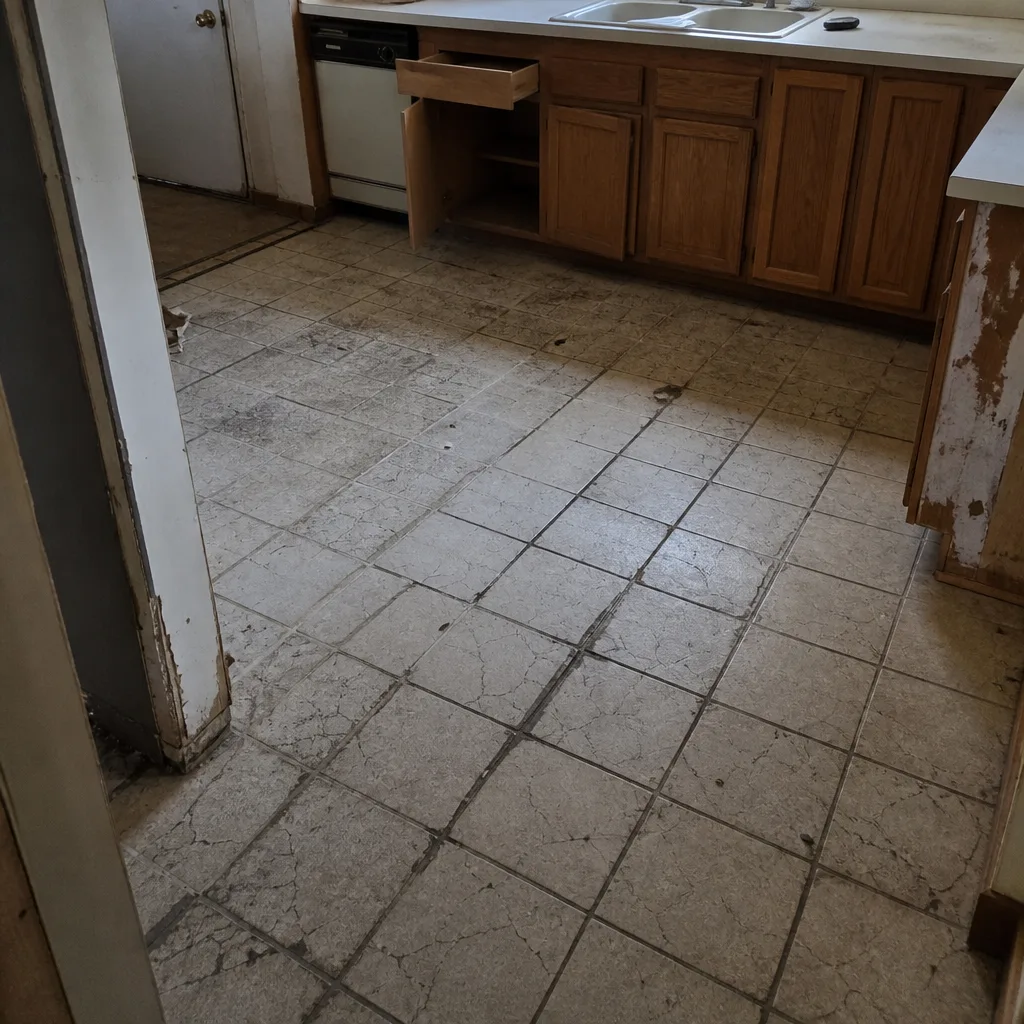 Before
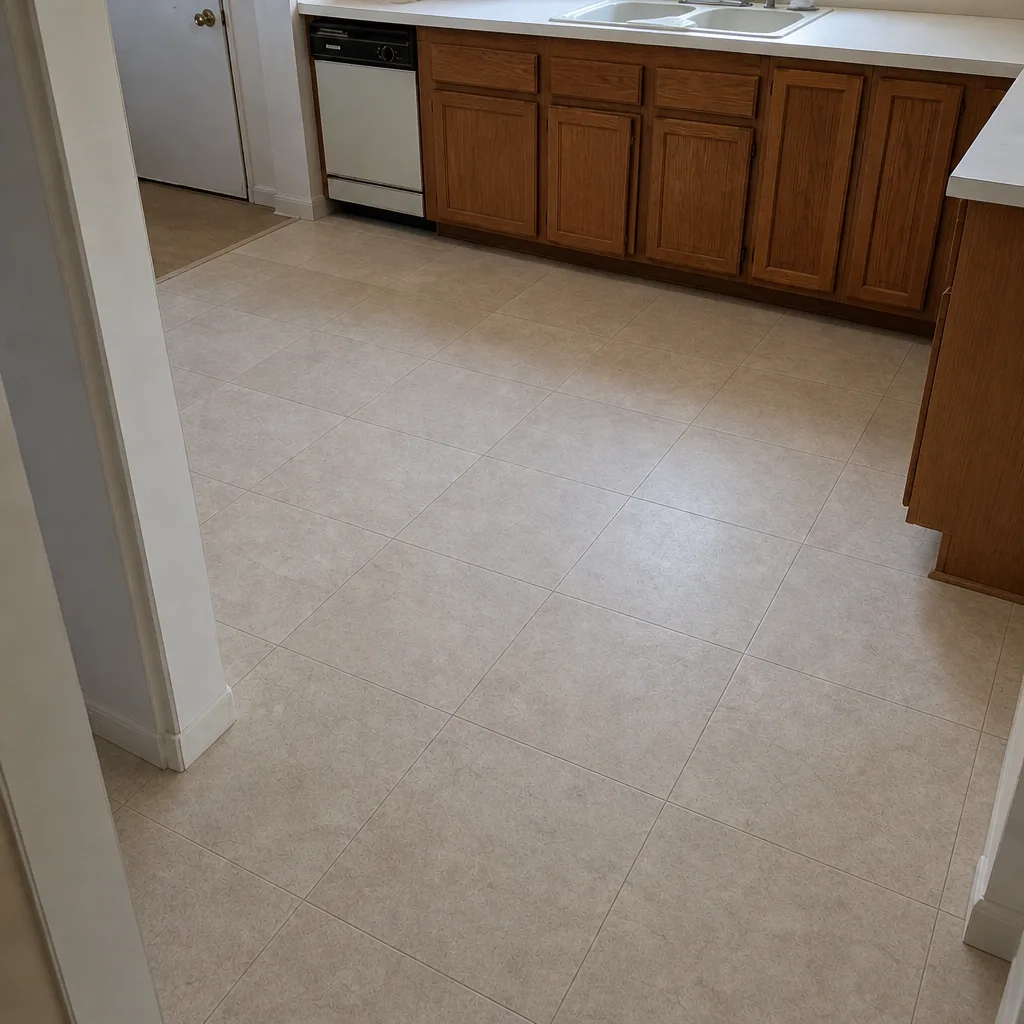 After
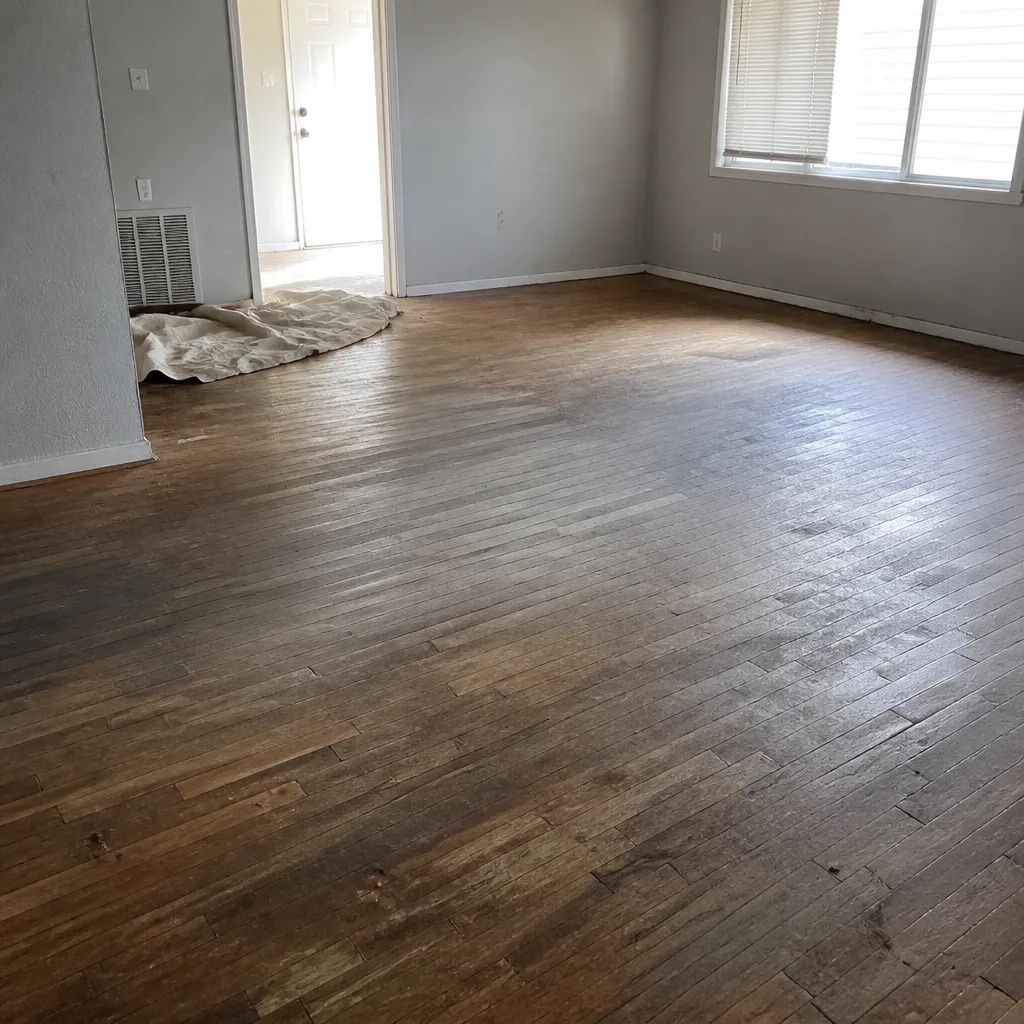 Before
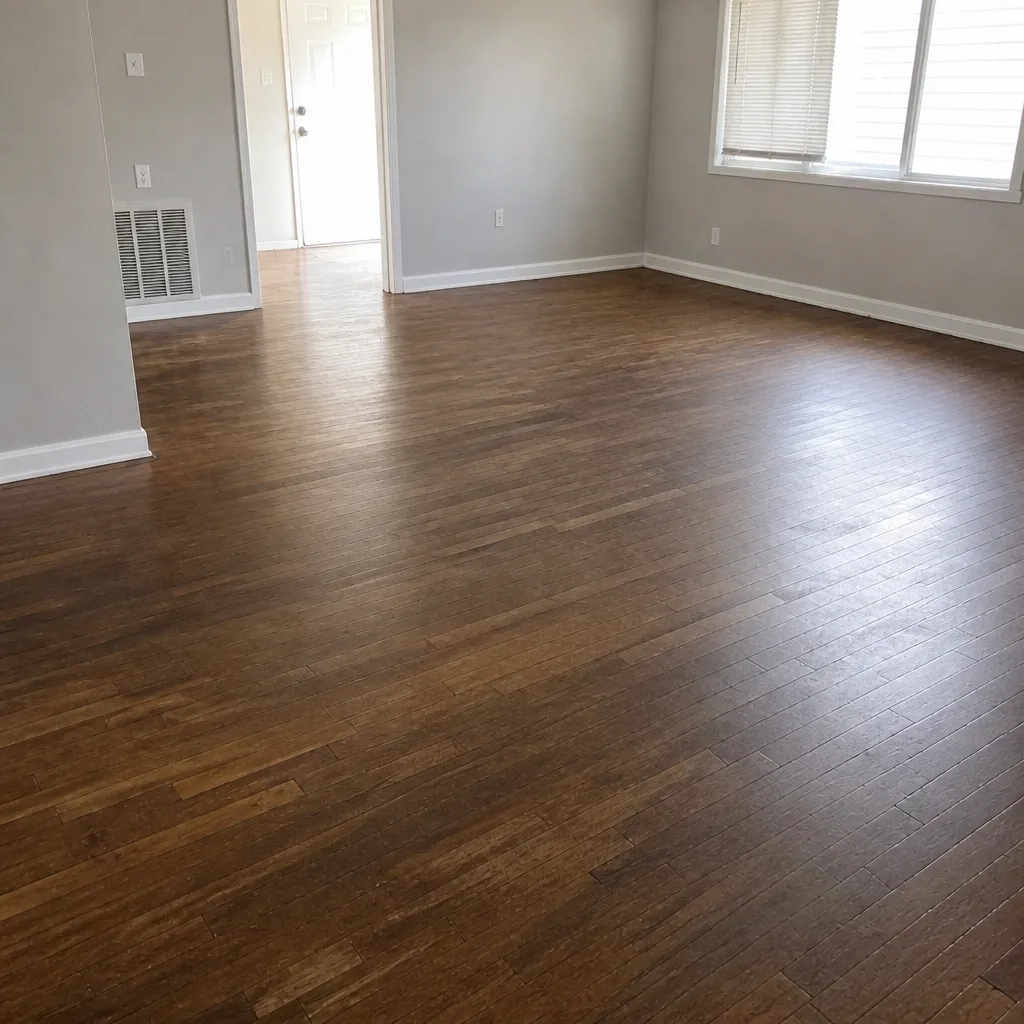 After
When to Call a Professional
Some maintenance belongs in your hands. Other jobs don’t. Call a professional when you see visible plank movement, peaking, or buckling on a floating floor that doesn’t settle with the season. Call when hardwood gaps widen beyond a normal seasonal shift, or when a finish is wearing through to the wood. Call when grout no longer responds to cleaning and resealing, or when carpet extraction hasn’t recovered its appearance after a couple of deep cleanings. Call when you’re considering refinishing rather than replacing hardwood – that decision needs a trained eye on the thickness and condition of the wood. Flooring North Las Vegas offers free estimates in North Las Vegas – call (844) 761-9160. We answer 24/7, with fast dispatch from 7am to 7pm, Sunday through Friday.
Frequently Asked Questions
Vacuum high-traffic carpet areas at least twice a week and the rest of the carpet once a week. Desert silica dust is finer and more abrasive than the soil in humid climates, so it works into the pile faster and dulls the surface sooner. A slow overlapping pass with a good vacuum does more than a faster pass with a premium machine.
Keep indoor relative humidity between 30% and 50% year-round. Below 30%, wood loses moisture and starts to gap, cup, or crack at the finish. A small console humidifier and a hygrometer in the main living area are usually enough to stay in range, even during dry North Las Vegas winters.
No. Steam forces moisture into plank seams and under the edges, which can swell the core and lift the floor. Use a damp microfiber mop with a pH-neutral cleaner instead, and dry the floor after mopping to prevent mineral residue from tap water.
That white haze is mineral scale from hard water. Las Vegas valley water carries some of the highest mineral content in the country, and every mop pass leaves a small deposit behind. Switch to a pH-neutral cleaner, rinse with distilled water, and reseal the grout once it’s fully dry. If the haze doesn’t lift after that, professional cleaning and resealing is the next step.
Thermal expansion. When interior temperatures spike in an unoccupied North Las Vegas home, a floating vinyl plank floor expands against walls and door frames. If there isn’t enough expansion gap, the planks bind and either peak at the seams or open gaps elsewhere. Keeping the AC on a moderate setting even when you’re away usually prevents it. Gaps that don’t close with the season are worth documenting for a warranty claim.
It depends on the remaining thickness of the wood and its current condition. Every sanding removes a small layer, so a floor that’s already been refinished several times may not have enough material left for another pass. Thick-wear-layer factory finishes and solid hardwood age differently. A trained eye at the free estimate can tell you quickly which route makes sense. Call (844) 761-9160 for an exact quote – estimates are free.
The Bottom Line
Flooring care in a North Las Vegas home is mostly about managing three local forces: hard water, low humidity, and fine desert dust. Match your cleaning products to the surface, keep indoor humidity in the 30% to 50% range, vacuum carpet often enough to lift silica out of the pile, and reseal tile grout on a routine schedule. Skip steam mops and alkaline cleaners. Watch floating floors for seasonal movement and keep the AC running when the house is empty in summer. Do those things and your new floor will hold up far better than the care sheet ever promised.
Whether you’re caring for a floor you already have or planning a new install, we’re glad to help. Our team installs carpet, installs tile, refinishes hardwood, and works with nine nationally recognized brands – Shaw, Mohawk, COREtec, Pergo, LifeProof, Mannington, Armstrong, Daltile, and Karndean – across every major flooring category. Free estimates, written quotes, and straight answers on whether to refinish or replace.
Call (844) 761-9160 for a free estimate. We answer 24/7. Fast dispatch from 7am to 7pm, Sunday through Friday.
Written by the team at Flooring North Las Vegas.