
Last updated November 18, 2026
 Hardwood
 Engineered hardwood
 Luxury vinyl plank
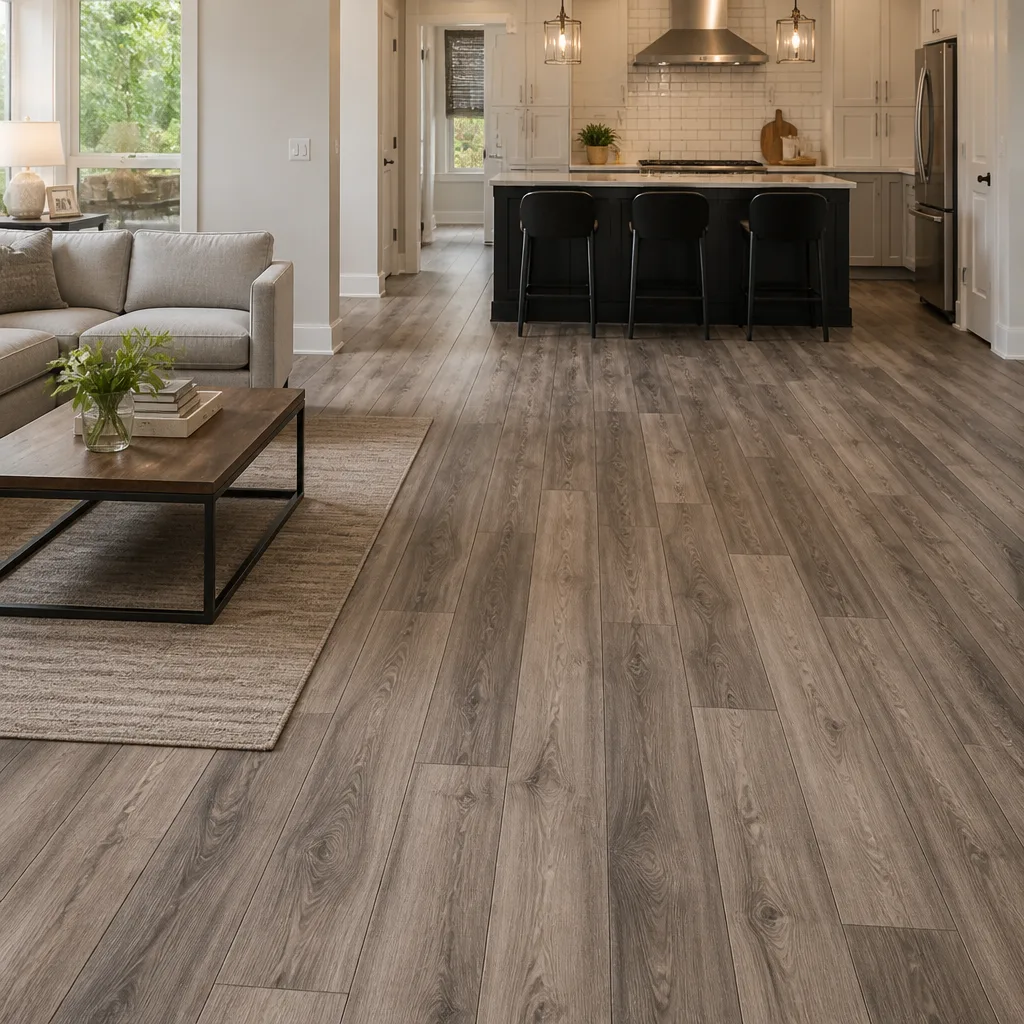 Laminate
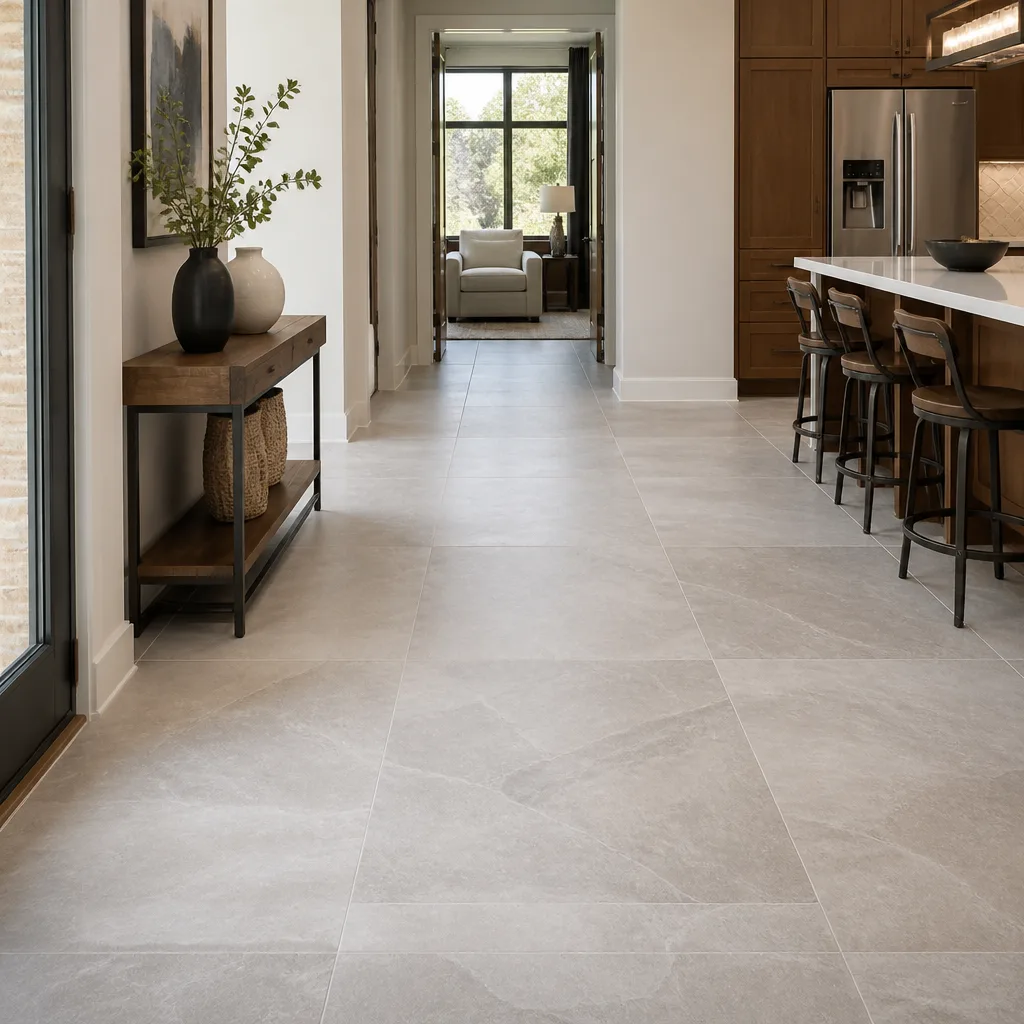 Porcelain tile
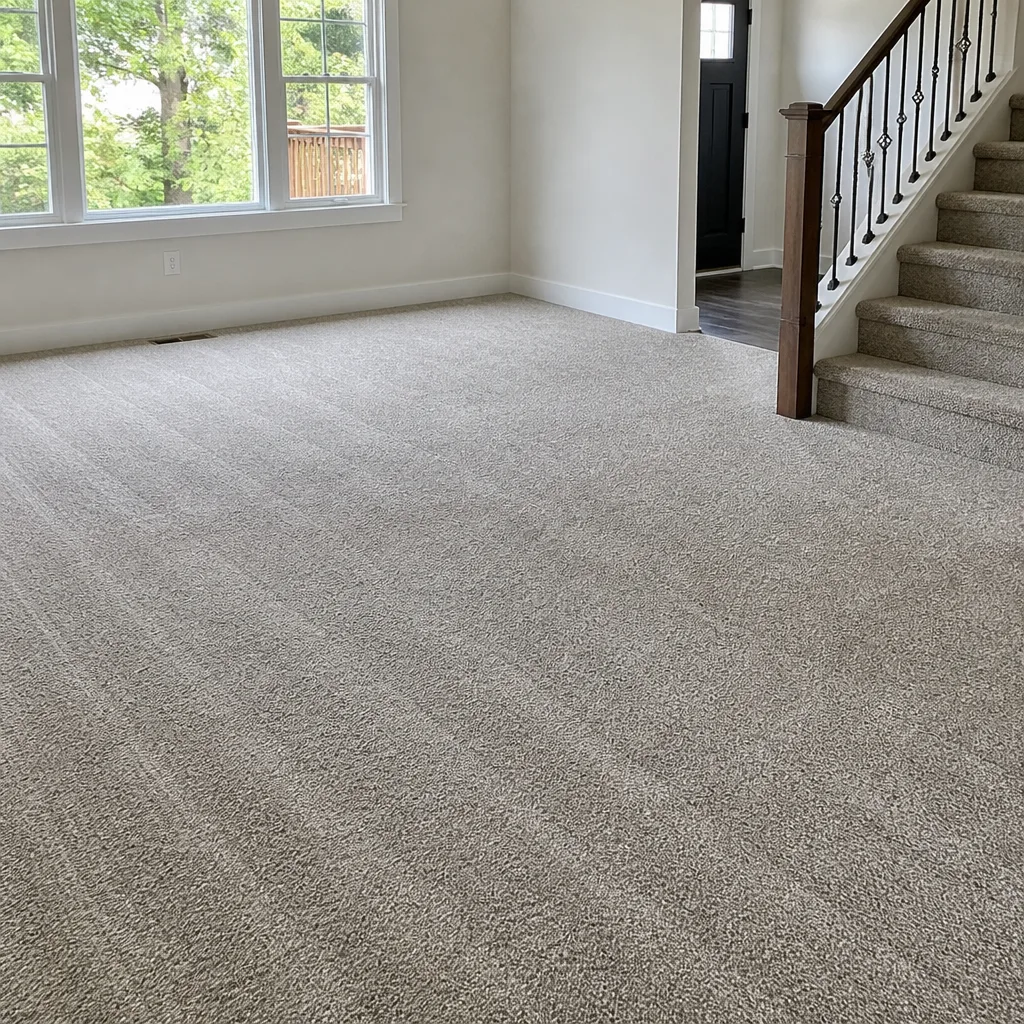 Carpet
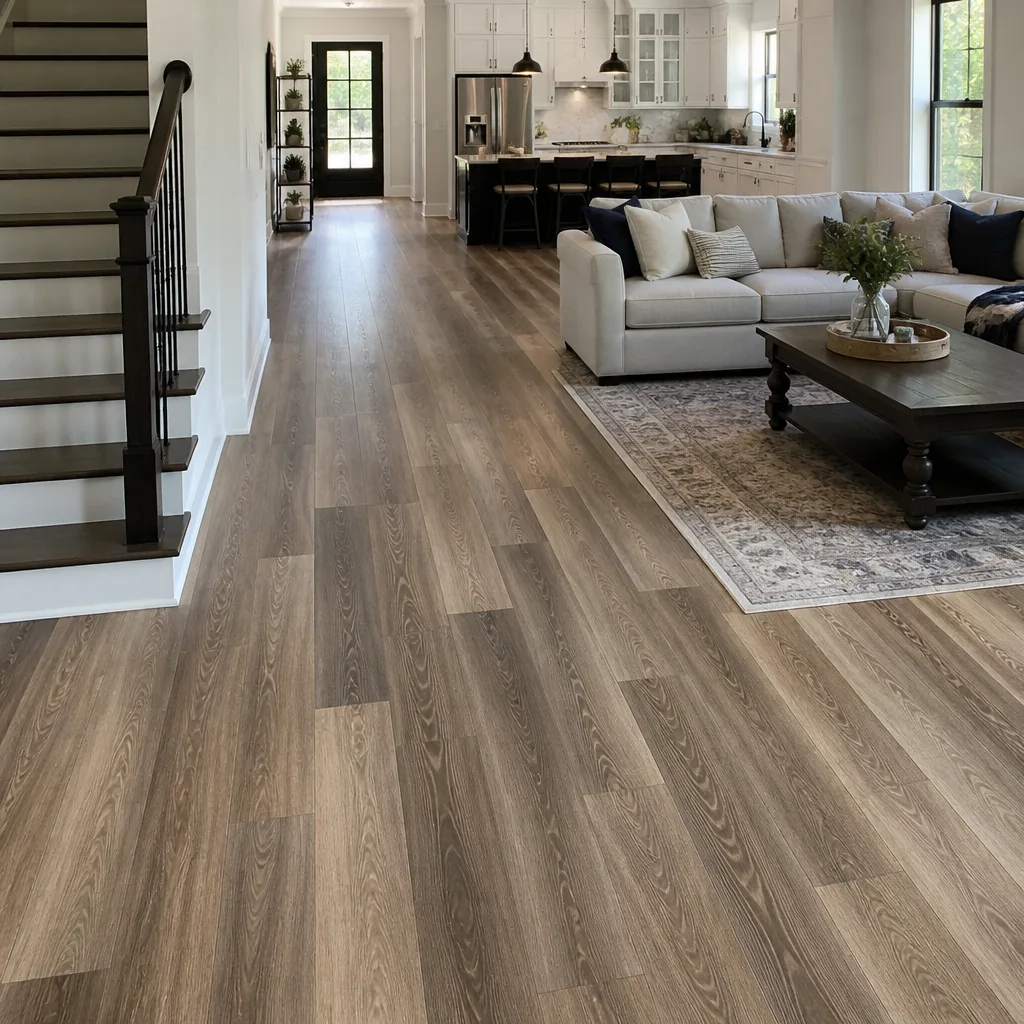 Shaw
 Mohawk
 COREtec
 Pergo
Free in-home measure and written estimate: Shaw, Mohawk, COREtec and Pergo lines compared on your own rooms, with carpet, tile, vinyl plank, laminate and hardwood laid out side by side
Get your free estimateChoosing the Right Flooring for Every Room in North Las Vegas Homes
The room where North Las Vegas homeowners most often regret their flooring choice within a couple of years usually isn’t the bathroom or the kitchen. It’s the master bedroom, where solid hardwood went down without anyone accounting for how much indoor humidity swings in a tightly sealed desert home when the air conditioning runs hard all summer and the heat kicks on in winter. Wood moves with that. Sometimes it moves more than the homeowner expected. The lesson isn’t that hardwood is a bad floor. It’s that the right floor in one room can be the wrong floor six feet away, and room-by-room thinking beats a single whole-house decision. This guide walks through every room in a North Las Vegas home, what each space actually demands, and where the real trade-offs sit.
Quick Answer
Match the floor to how each room actually lives, not to a single look carried through the whole house. In North Las Vegas homes, carpet usually wins in bedrooms for comfort and sound, tile wins in kitchens, bathrooms and laundry rooms for moisture and cleanup, and hardwood or a quality laminate earns its place in living and dining areas where traffic is moderate and humidity can be managed. The right answer shifts room by room, and it shifts again depending on whether the space sits on a slab, over a garage, or in a converted bonus room.
Styles & brands we work with
- Hardwood
- Engineered hardwood
- Luxury vinyl plank
- Laminate
- Porcelain tile
- Carpet
- Shaw
- Mohawk
- COREtec
- Pergo
Table of Contents
- How North Las Vegas Climate Affects Every Flooring Decision
- Bedrooms: Why Carpet Still Wins in a Desert Climate
- Bathrooms and Laundry Rooms: Slab Moisture Changes the Rules
- Entries and Hallways: What Survives Kids, Pets and Desert Dust
- Kitchens and Open-Concept Living Zones
- Garage Conversions and Bonus Rooms: Subfloor and Thermal Challenges
- Room-by-Room Comparison at a Glance
- Common Mistakes to Avoid
- When to Call a Professional
- Frequently Asked Questions
How North Las Vegas Climate Affects Every Flooring Decision
North Las Vegas homes deal with two climate forces that most flooring guides ignore. The first is dry heat. The second is what happens indoors when that dry heat meets a sealed house and an HVAC system working to hold a set temperature. Together they create humidity swings that a floor has to live with, and different materials respond in very different ways.
Solid hardwood is a natural product. It takes on and gives off moisture with the air around it, which is why board gaps can open in a dry stretch and close again when the air moistens. In a home that runs air conditioning hard through the summer and heating in winter, the indoor relative humidity can move more than the wood would prefer. That doesn’t rule out hardwood in North Las Vegas. It means the room, the subfloor and the humidity control all have to be considered together.
Slab-on-grade construction is the other big factor. A large share of North Las Vegas housing sits directly on concrete, and concrete passes moisture vapor from the ground below. That vapor has to go somewhere. Under carpet it can be managed with the right underlayment. Under wood it needs a vapor barrier and a moisture check before anyone commits. Under tile it’s usually a non-issue because tile and its setting materials are unaffected by vapor.
Here’s what this means in practice:
- Rooms over slab need a moisture reading before any wood or laminate goes down, and a barrier plan if the reading is high.
- Rooms above a garage or in a bonus space see wider temperature swings, because those spaces aren’t always conditioned the same way as the main house.
- Laundry rooms and bathrooms in a slab home concentrate both slab vapor and everyday splash, which pushes the decision firmly toward tile.
- Bedrooms on an interior wall stay more stable, which is one more reason carpet and engineered wood do well there.
Our technicians have up to 8 years of experience, and a good part of that experience is knowing which floors tolerate this climate and which ones need a little help. If you’re planning a broader project, our main flooring North Las Vegas page covers the full scope of what we install and refinish.
Bedrooms: Why Carpet Still Wins in a Desert Climate
Carpet in bedrooms isn’t a throwback. It’s a practical choice that holds up well in North Las Vegas, and the reasons are acoustic, tactile and financial. Carpet absorbs sound in a way hard surfaces can’t, which matters in a house where every footstep in a hallway echoes off tile. It’s warmer underfoot on a winter morning when the desert night has dropped the indoor floor temperature. And in a bedroom, where traffic is light and shoes usually come off at the door, carpet’s wear profile is generous.
Modern carpet handles dry heat better than older pile constructions did. Backings and fibers have improved, and the key is choosing the right face weight and density for the room rather than the thickest pad on the shelf. A dense, shorter pile in a low-traffic bedroom resists crushing better than a tall, loose one. The brands we install include Shaw, Mohawk and Mannington, and each offers carpet lines built for different budgets and traffic levels, so you can compare real product rather than accept a mystery label.
What to weigh for bedroom carpet
- Pile height: shorter and denser lasts longer in a bedroom than plush and tall.
- Color: mid-tones hide desert dust tracked in from the yard better than very light or very dark shades.
- Pad: a quality pad underneath the carpet does as much for comfort and longevity as the carpet itself.
- Room transitions: bedroom carpet meeting a hallway in tile or wood needs a clean transition strip, planned at the estimate.
Bedrooms with an attached bathroom are the one place to think carefully. Carpet running right up to a shower door is a wet-zone risk, and a tile border or a change to tile at the threshold is often the smarter move. Our carpet installation page goes deeper into pile, pad and room-by-room choices.
Bathrooms and Laundry Rooms: Slab Moisture Changes the Rules
Bathrooms and laundry rooms in North Las Vegas carry a different moisture profile than the same rooms in a part of the country with basements. There’s no below-grade space to buffer groundwater, so the moisture risk comes from two directions at once: the slab beneath the floor and the water above it. That changes the material calculus.
A basement-state bathroom might sit over a framed floor with airspace below. A North Las Vegas bathroom typically sits directly on concrete. Concrete wicks vapor from the soil, and in a room that also sees shower splash, toilet condensation and, in the laundry, a washer supply line and drain, that vapor has more chances to cause trouble. The floor covering has to tolerate both without swelling, delaminating or trapping moisture against the slab.
This is where tile earns its place. Ceramic and porcelain tile don’t swell with moisture, don’t warp, and don’t care about the occasional puddle. With the right setting materials and grout, a tile floor in a North Las Vegas bathroom is about as reliable as a floor gets. Daltile, which we source for tile projects, is the brand architects and commercial contractors specify, and that’s a useful signal when you’re choosing a tile floor meant to last through years of daily use.
What to plan for in wet rooms
- Confirm the substrate. The estimate visit should check the slab and note any cracks or prior moisture issues before tile is specified.
- Choose slip-conscious tile for the floor. Larger-format tile is easier to clean, but floor tile should be selected for wet-foot traction, not just looks.
- Plan the laundry carefully. A washer leak is the single most common wet event in a laundry room, so a floor that shrugs off standing water and a threshold that keeps spills contained matter more than the tile style.
- Detail the transitions. A tile bathroom meeting a carpeted bedroom needs a clean, water-tight transition at the door line.
Our tile flooring installation page lays out the process from layout to grout.
Entries and Hallways: What Survives Kids, Pets and Desert Dust
Entryways and hallways take more punishment per square foot than any other space in the house. Desert dust tracked in on shoes acts like a fine abrasive, and it works on flooring the way sandpaper works on wood. Add kids, pets, and the constant in-and-out of daily life, and you have a traffic pattern that will find the weak spot in any material.
What actually holds up? In order of durability under this kind of abuse:
- Porcelain tile is the most forgiving surface in a high-traffic entry. It resists scratching, doesn’t care about tracked grit, and cleans up with a mop.
- Luxury vinyl plank from brands like LifeProof and COREtec is water-resistant, comfortable underfoot and stands up to pet claws and dropped bags better than most wood-look options. Standing water and moisture from below still have to be dealt with at installation.
- Laminate in a quality line such as Pergo handles traffic and dust well and is a budget-friendly step below engineered wood.
- Hardwood looks beautiful in an entry but shows scratches from tracked grit more than any other floor, and refinishing it every few years is a real cost to weigh.
The smart move in a North Las Vegas entry is often a deliberate material change: tile or luxury vinyl at the door and through the hallway, then carpet or wood where the room opens up. A well-planned transition, rather than a single floor dragged across an entire house, is the difference between a floor that lasts and a floor that shows its age early.
A rug and a mat earn their keep
No flooring fully survives desert dust without help. A good doormat outside and a walk-off mat inside cut the grit reaching the floor by a wide margin. It’s the cheapest flooring protection you’ll ever buy, and it works on every surface.
Kitchens and Open-Concept Living Zones
An open-concept kitchen is one of the trickiest flooring decisions in a North Las Vegas home, because the same floor has to do two jobs. In the cooking zone it faces spills, hot pans, dropped knives, chair legs and splashes from the sink. A few feet away in the living zone it has to feel comfortable enough to walk on barefoot and look good under furniture.
Tile handles the cooking side of that split beautifully. Porcelain tile shrugs off water, heat and stains, and a large-format tile with tight grout lines reads as a clean, continuous surface in an open plan. In the living zone, though, an all-tile floor can feel cold and hard underfoot, and sound carries across it.
Three workable approaches to an open kitchen and living area
- Full tile across both zones. The simplest and most water-tolerant option. Choose a warm-toned tile and plan for area rugs in the living zone to soften the floor.
- Tile in the kitchen, carpet or hardwood in the living zone, with a clear transition at the room line. This is the most common approach, and it gives each zone the floor it needs. The transition needs a clean strip so the two surfaces meet without a trip edge.
- A consistent wood-look surface across both, using luxury vinyl plank or laminate. Brands like Mannington and Armstrong offer realistic wood visuals that can run from the kitchen into the living area without a break. The key is choosing a water-resistant product and sealing edges around the sink and dishwasher properly.
Whatever you choose, plan the transitions at the estimate stage, not on install day. The best-looking open-concept floor is the one where the seams were thought through before the materials were ordered.
Garage Conversions and Bonus Rooms: Subfloor and Thermal Challenges
North Las Vegas master-planned communities often include converted garages and bonus rooms, and these spaces present the toughest subfloor and thermal conditions in the house. A converted garage usually sits on a slab with different insulation than the rest of the home and can swing between very warm in summer and cool in winter. A bonus room over a garage can have a framed subfloor with more deflection and greater temperature movement than the main house.
Both conditions stress flooring. Wood and laminate need a stable humidity range, and a room that swings more than the main house will push them harder. Carpet over a proper pad is more forgiving of both temperature movement and minor floor imperfections. Luxury vinyl plank tolerates temperature swings better than solid wood and works well in a bonus space as long as the subfloor is sound and dry.
What to check before flooring a converted or bonus space
- Subfloor condition: flatness, deflection and any soft spots should be checked at the estimate visit, especially in a converted garage where the slab may have prior cracks or patching.
- Moisture: a slab in a converted garage gets the same vapor check as any other slab room.
- Insulation and conditioning: whether the space is heated and cooled with the rest of the house affects which materials will stay stable.
- Thresholds and steps: a converted garage may sit a step below the main floor line, which changes how the transition is handled.
If you’re dealing with a bonus room or a garage conversion, it’s worth having the subfloor looked at before you choose a product. The floor is only as good as what’s under it. Our team covers North Las Vegas and the surrounding neighborhoods, and the estimate visit is where these questions get answered.
Room-by-Room Comparison at a Glance
Here’s a quick reference for matching floor to room. Treat these as starting points, not rules, and let the estimate visit confirm the details for your specific home.
- Master bedroom: carpet (comfort, sound, stable interior conditions). Hardwood possible if humidity is managed and the subfloor allows.
- Secondary bedrooms: carpet (traffic is light, comfort matters). Luxury vinyl or laminate if the room doubles as a play or work space.
- Bathrooms: tile (moisture-tolerant, easy to clean).
- Laundry room: tile (handles spills and slab vapor).
- Kitchen: tile in the cooking zone; consistent wood-look luxury vinyl or laminate if you want one surface across an open plan.
- Living and dining: hardwood or engineered wood if the subfloor and humidity allow; luxury vinyl plank for a lower-maintenance wood look. Carpet is a comfortable option in a formal living room with light traffic.
- Entry and hallway: porcelain tile or luxury vinyl plank (most durable under tracked dust and heavy traffic).
- Bonus room or converted garage: carpet over a quality pad, or luxury vinyl plank, once the subfloor and moisture are checked.
Trying to force one material through every room usually means compromising in at least two of them. The room-by-room approach almost always produces a better result, and often a better price, because you’re not spending premium dollars on a floor in a room that doesn’t need it.
Common Mistakes to Avoid
- Choosing by looks alone. A beautiful floor that doesn’t match the room’s moisture or traffic will show it within a couple of years. Match material to the room’s real demands first, then choose the look.
- Skipping the moisture check on slab rooms. North Las Vegas homes sit on concrete that passes vapor, and a floor installed without a moisture reading can fail before its time. The check belongs in the estimate.
- Running solid hardwood into a bathroom or laundry room. It’s the most common whole-house mistake we see. Tile is the right call in wet rooms, and it saves a replacement down the line.
- Ignoring the subfloor in a bonus room or converted garage. A floor is only as sound as what’s under it, and these spaces need a closer look than the main house.
- Buying product before getting an installed price. The cost of a flooring project is material, underlayment, removal, prep and labor together. A product-only number tells you very little about your final cost, and a free estimate gives you the whole picture.
- Forgetting transitions until install day. Room-to-room transitions should be planned at the estimate, especially in an open plan where the seams are visible.
- Assuming the cheapest square-foot quote is the cheapest job. Removal, subfloor prep and old-floor disposal often swing the total more than the material choice does. Ask what’s included.
When to Call a Professional
Some flooring decisions are simple. Others carry real risk if they go wrong. Call a professional when the floor sits on a slab you haven’t had moisture-checked, when a bonus room or converted garage is part of the project, when you’re choosing between refinishing an existing hardwood floor and replacing it, or when an open-concept plan needs transitions between three or more material zones. Those are the jobs where a wrong call is expensive and a correct call is invisible for years. Hardwood refinishing in particular is a restoration skill that requires reading the wood’s thickness and condition before promising a stain or a finish, and it’s a job to hand to someone who does only flooring.
Flooring North Las Vegas offers free estimates in North Las Vegas. We install carpet, tile and hardwood, refinish existing wood floors, and source nine recognized brands across those categories, so you can compare real product before you commit. Our technicians have up to 8 years of experience. Call (844) 761-9160. We answer 24/7. Fast dispatch from 7am to 7pm, Sunday through Friday.
Frequently Asked Questions
There isn’t one best floor for every room. Carpet works best in bedrooms, tile in bathrooms, laundry rooms and kitchen cooking zones, and hardwood or luxury vinyl in living and dining areas. The right answer changes room by room, and it changes again if the room sits over a slab or over a garage. Call (844) 761-9160 for a free estimate and we’ll walk through your specific rooms.
No. Carpet is a strong choice in North Las Vegas bedrooms because it’s comfortable, controls sound and handles the stable interior conditions of a bedroom well. Modern carpet lines from Shaw, Mohawk and Mannington handle dry heat better than older pile constructions, and density matters more than thickness. The key is choosing the right pile and pad for the room.
We don’t recommend hardwood in bathrooms or laundry rooms. In North Las Vegas, those rooms sit on slab and face both slab vapor and everyday splash, which is a hard combination for any wood floor. Living areas and bedrooms can work well in wood if the subfloor and humidity are managed. Call (844) 761-9160 to schedule a free estimate and we’ll check the conditions first.
Because most North Las Vegas homes sit on slab-on-grade construction rather than over a basement. The slab passes moisture vapor from the ground, and in a bathroom or laundry room that vapor combines with shower splash and washer leaks. Tile handles this reliably, which is why it’s the standard choice for wet rooms in North Las Vegas.
Carpet over a quality pad or luxury vinyl plank usually works best in a bonus room or converted garage, because those spaces see wider temperature swings than the main house. Solid hardwood is riskier there. The subfloor and moisture should be checked at the estimate before any product is chosen. Call (844) 761-9160 for a free estimate.
No. The estimate is free, and it sets the price per job in writing before any work begins. We’ll look at the rooms, check the subfloor and moisture where it matters, and give you a written quote you can compare against other options. Call (844) 761-9160. We answer 24/7. Fast dispatch from 7am to 7pm, Sunday through Friday.
The Bottom Line
Room-by-room flooring works better than one material dragged through an entire house, and in North Las Vegas the room matters even more than the look. Carpet still wins in bedrooms for comfort and sound. Tile wins in bathrooms, laundry rooms and kitchen cooking zones because slab-on-grade homes combine ground vapor with everyday splash. Hardwood belongs where the subfloor and humidity can support it, and refinishing an existing wood floor is often a better call than replacing it. Bonus rooms and converted garages need the subfloor checked before anything is ordered. Match each floor to how the room actually lives, and the house will hold up for years. Call (844) 761-9160 for a free estimate.
Brands We Install
We install carpet, tile and hardwood from Shaw, Mohawk, COREtec, Pergo, LifeProof, Mannington, Armstrong, Daltile and Karndean. That’s nine brands across three surface categories, so you can research a real product line before you commit rather than choosing from whatever’s on a shelf. Where big-box stores sell flooring, we install and refinish it, and we do only flooring.
Written by the team at Flooring North Las Vegas.
See the difference
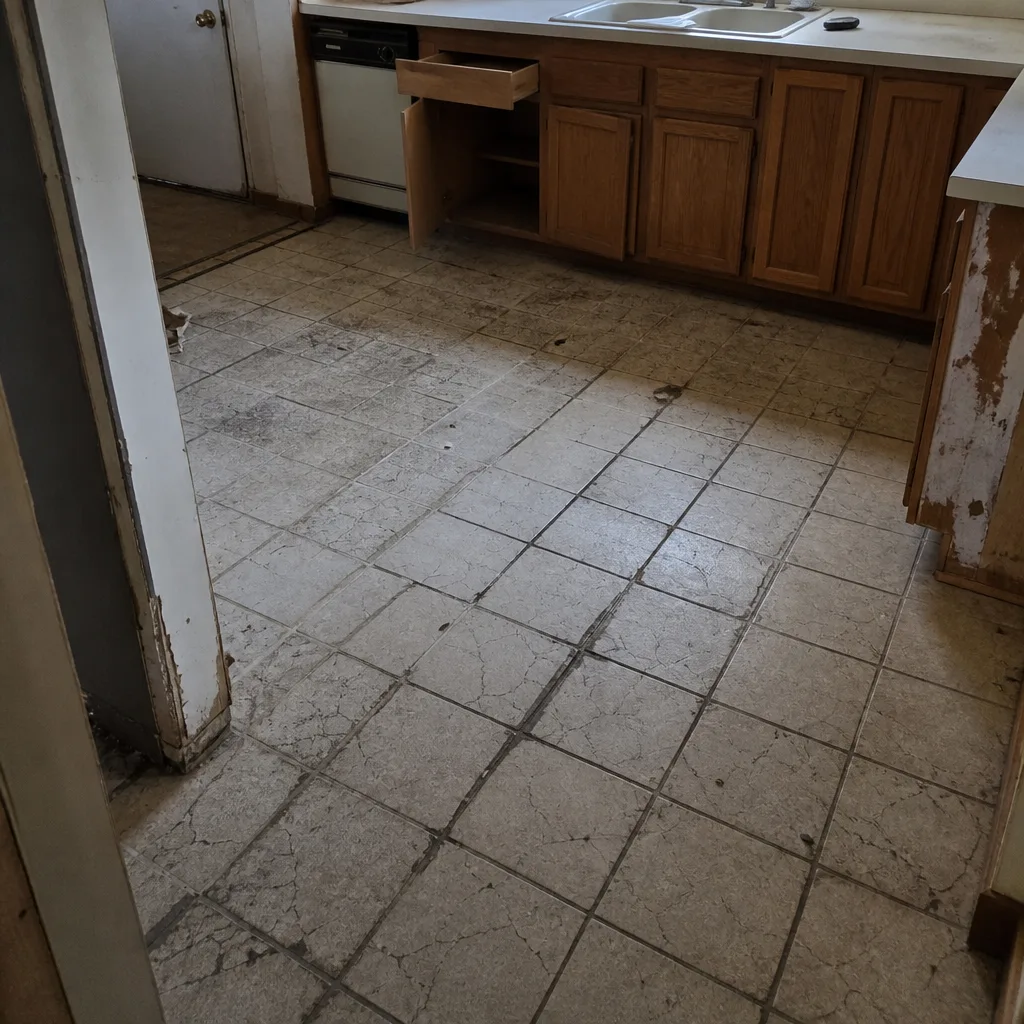
 Before
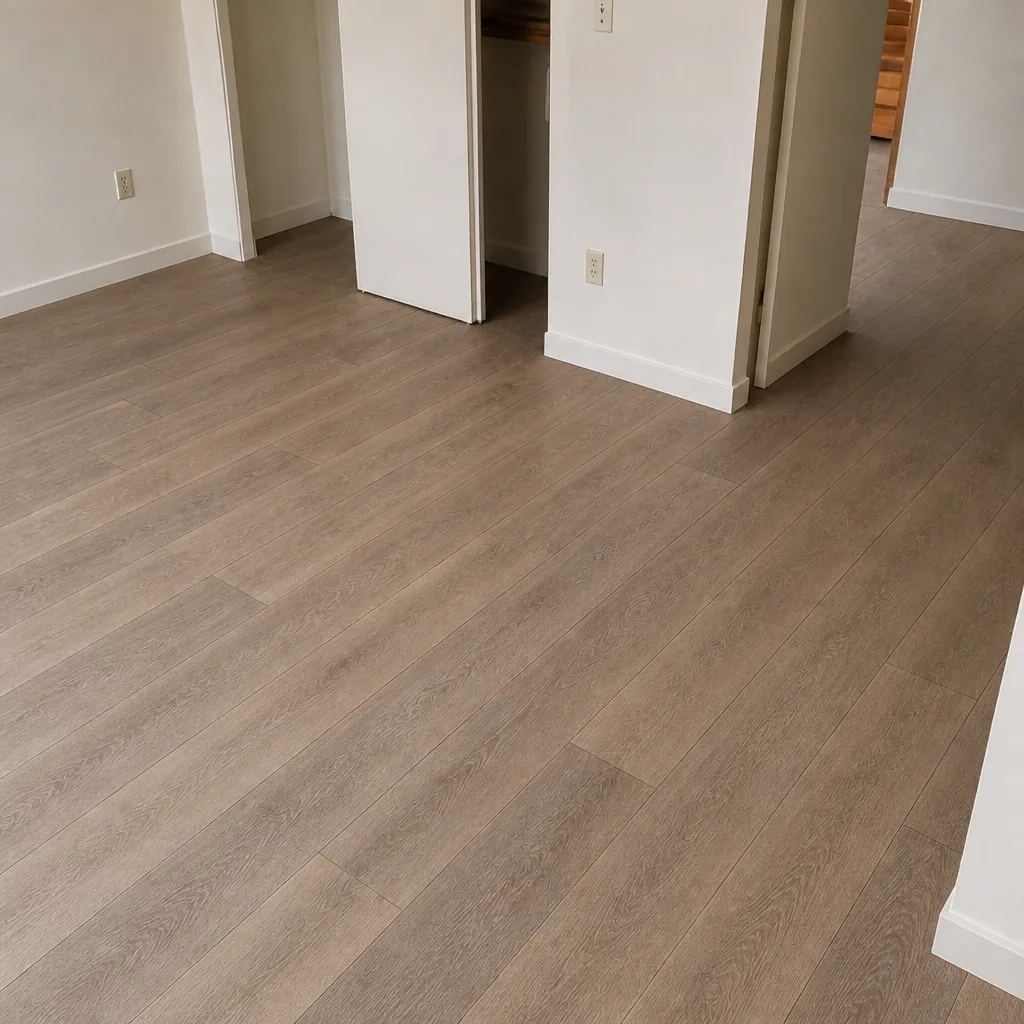 After
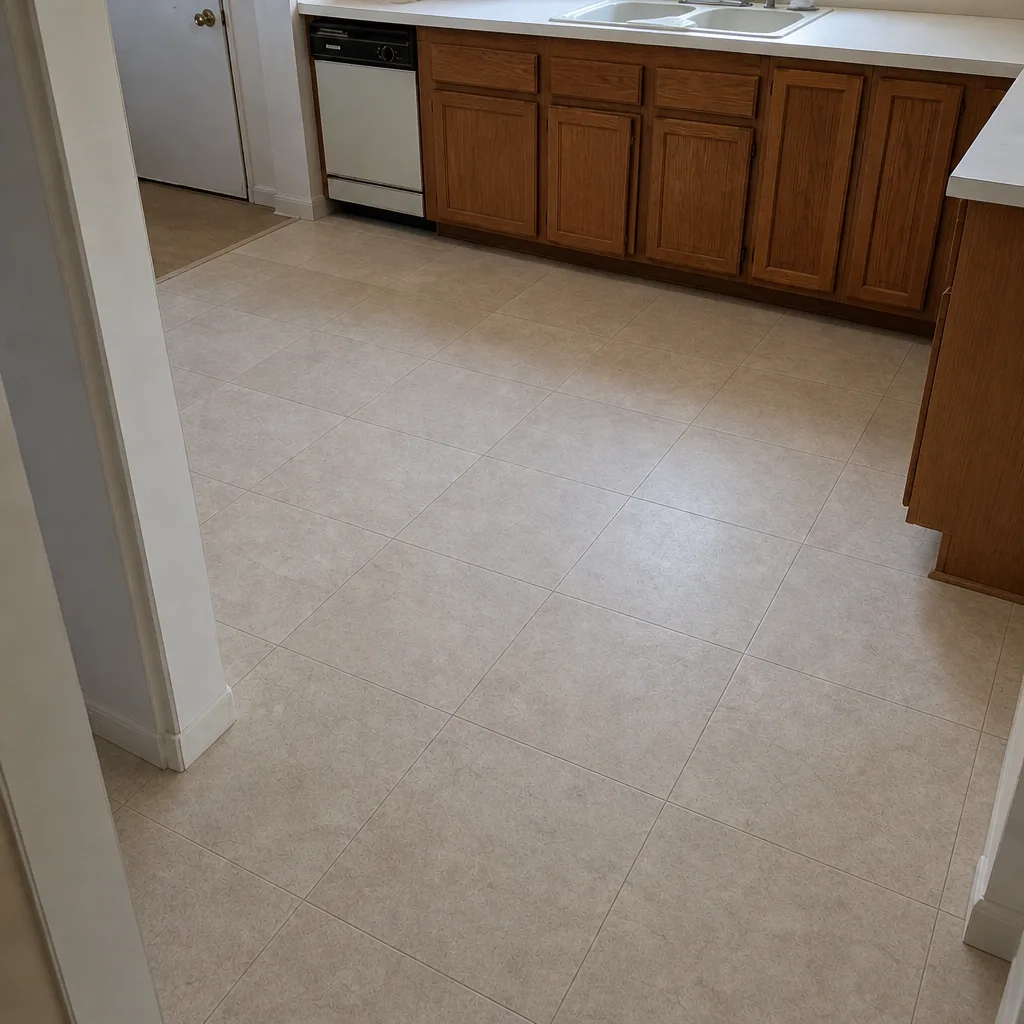
 Before
 After
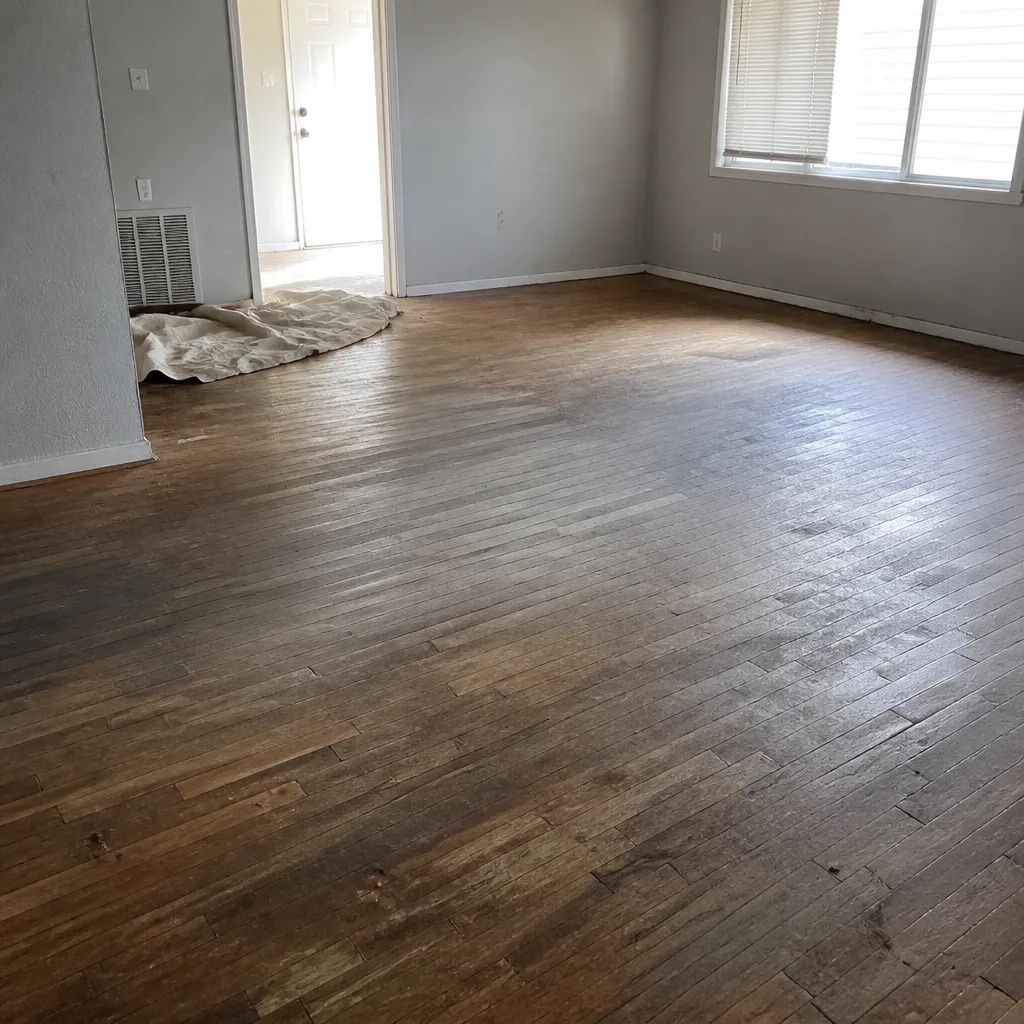 Before
 After